helpline:+92 21 9250630 | +92 21 9250640 | +92 21 5820716
International Commission on Human Rights
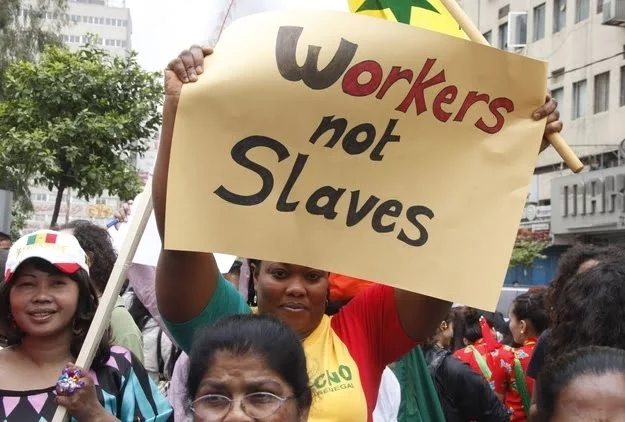
Labor rights are fundamental human rights that ensure all workers are treated with dignity, receive fair compensation, and work in safe, healthy environments. These rights include the right to fair wages, safe working conditions, freedom from exploitation, the right to organize and bargain collectively, and protection from discrimination and forced labor.
Despite international labor standards and protections, millions of workers worldwide continue to face exploitation, unsafe working conditions, unfair wages, and violations of their fundamental rights. From forced labor and child labor to workplace discrimination and unsafe conditions, labor rights violations affect workers across all sectors and regions.
At the International Commission On Human Rights (ICOHR), we are committed to protecting and promoting labor rights worldwide. Our work addresses the root causes of labor exploitation, promotes decent work for all, and ensures that workers' rights are protected, respected, and fulfilled by governments, employers, and institutions.
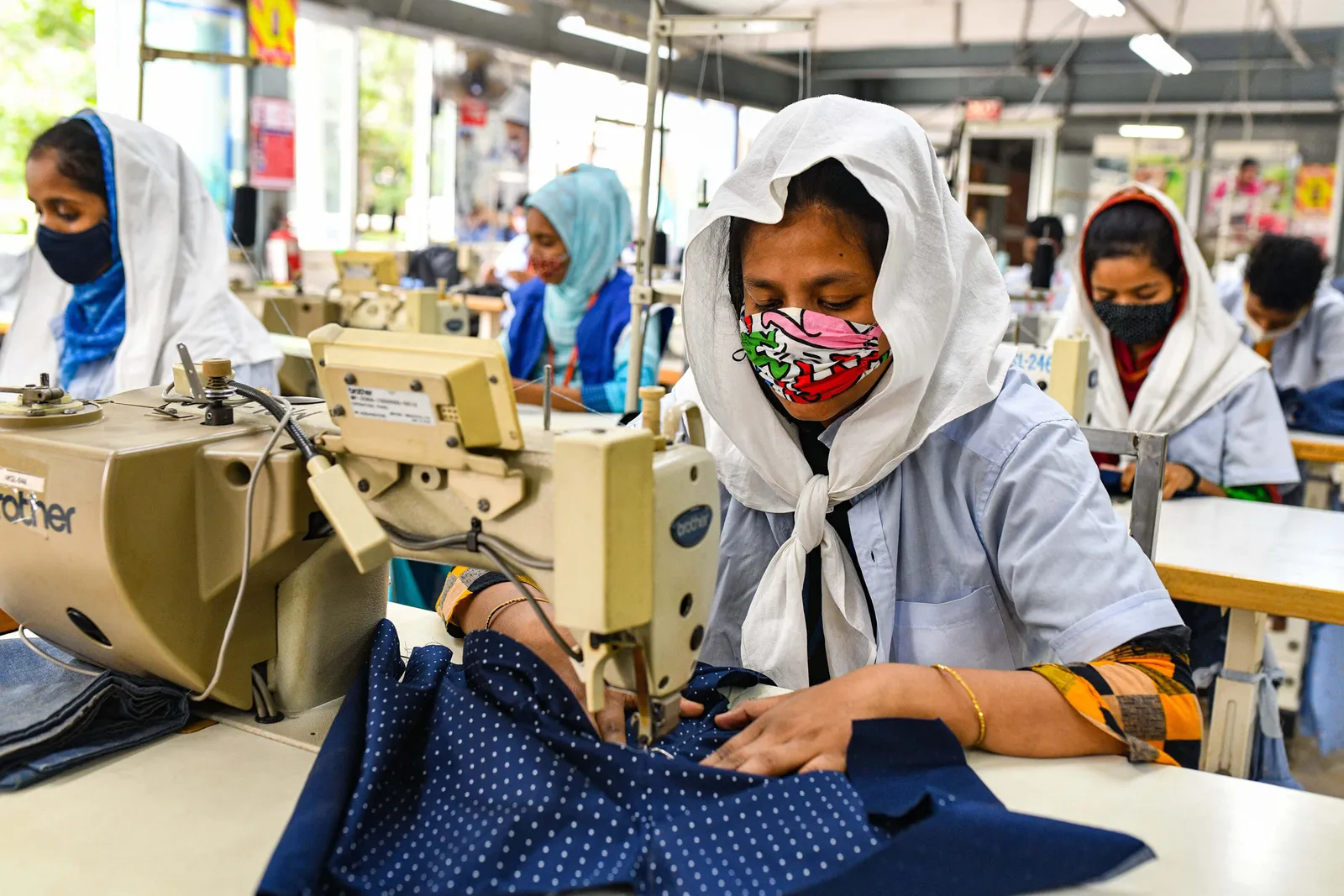
Understanding the scale of challenges facing workers worldwide highlights the urgent need for comprehensive labor rights protection and enforcement.
ICOHR addresses critical dimensions of labor rights through advocacy, monitoring, research, legal reform, and direct engagement with stakeholders.
Promoting the right to fair and equal remuneration for work of equal value, ensuring living wages, and eliminating wage discrimination. We work to strengthen minimum wage laws, address pay gaps, and ensure workers receive just compensation for their labor.
Ensuring workers have the right to safe and healthy working environments. We advocate for occupational safety standards, monitor workplace safety violations, and promote measures to prevent workplace accidents, injuries, and occupational diseases.
Protecting workers' right to form and join trade unions, engage in collective bargaining, and participate in labor organizations. We work to eliminate restrictions on unionization, protect union leaders, and promote workers' collective rights.
Preventing and eliminating all forms of forced labor, including modern slavery, debt bondage, and human trafficking. We monitor forced labor situations, support victims, and advocate for stronger legal frameworks to combat forced labor.
Promoting the right to reasonable working hours, rest periods, and paid leave. We address excessive working hours, promote work-life balance, and ensure workers have adequate time for rest, recreation, and family life.
Ensuring workers are protected from discrimination based on race, gender, religion, disability, age, or other grounds. We work to eliminate discriminatory hiring practices, promote equal opportunities, and address workplace discrimination and harassment.
The international framework for labor rights is built upon fundamental principles that guide all workers' rights protection and promotion.
All workers have the right to decent work, which encompasses productive work, fair income, workplace security, social protection, personal development, and freedom to express concerns and organize.
No one shall be held in slavery or servitude, and no one shall be required to perform forced or compulsory labor. All forms of forced labor, including modern slavery and human trafficking, must be eliminated.
Workers and employers have the right to form and join organizations of their own choosing, without prior authorization, to promote and defend their interests.
All workers are entitled to equal treatment and opportunities, free from discrimination based on race, color, sex, religion, political opinion, national origin, or other grounds.
The International Labour Organization (ILO), established in 1919, is the UN agency responsible for setting international labor standards. The ILO's core conventions, including those on freedom of association, forced labor, child labor, and discrimination, form the foundation of international labor rights. ICOHR works to ensure full implementation of ILO conventions and related international instruments, including the Universal Declaration of Human Rights and the International Covenant on Economic, Social and Cultural Rights, which recognize the right to work, just and favorable conditions of work, and the right to form and join trade unions.
ICOHR employs comprehensive strategies to protect, promote, and advance labor rights and decent work for all workers worldwide.
We advocate for legal reforms that strengthen labor laws, ensure compliance with international labor standards, eliminate discriminatory practices, and protect workers' rights in national legal frameworks.
ICOHR monitors working conditions, documents labor rights violations, investigates cases of exploitation and abuse, and produces comprehensive reports that inform policy and advocacy efforts.
We support trade unions and workers' organizations, promote freedom of association, protect union leaders and members, and advocate for collective bargaining rights.
ICOHR works to prevent and eliminate forced labor through monitoring, support for victims, advocacy for stronger legal frameworks, and collaboration with governments and organizations.
We promote corporate responsibility for labor rights, advocate for supply chain transparency, monitor corporate practices, and hold companies accountable for labor rights violations.
ICOHR provides training and capacity building to governments, employers, trade unions, and organizations to strengthen their ability to protect and promote labor rights effectively.
Labor rights are fundamental human rights that ensure dignity, fairness, and safety in the workplace. ICOHR's work on labor rights requires the support and engagement of the international community. Together, we can ensure that all workers enjoy their rights to fair wages, safe working conditions, freedom from exploitation, and the right to organize and bargain collectively.
Get Involved© 2026 International Commission On Human Rights. All rights reserved.
 DONATE