helpline:+92 21 99332615 | +92 21 99332617
International Commission on Human Rights
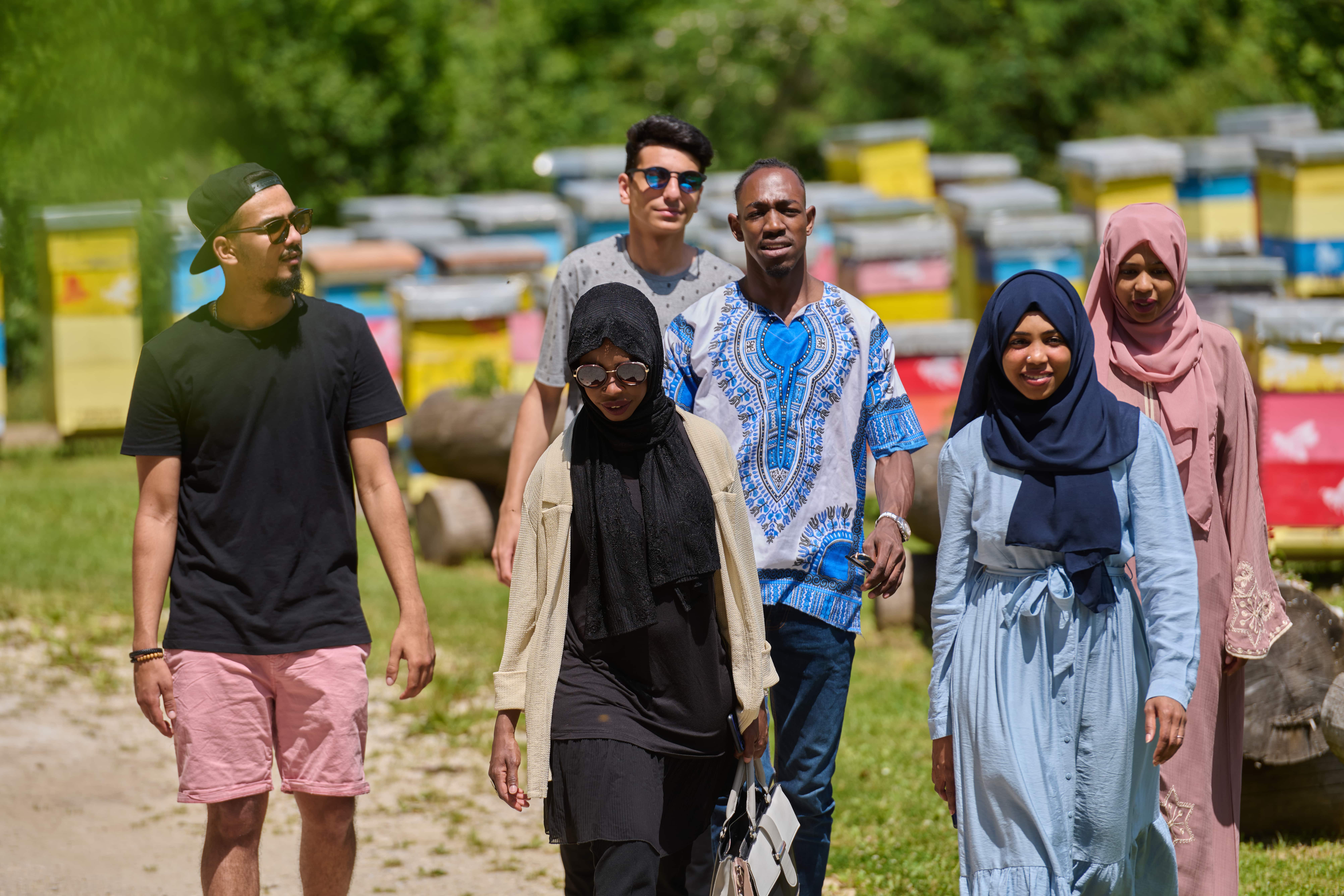
Refugees and displaced persons are among the most vulnerable populations in the world. Forced to flee their homes due to conflict, persecution, violence, or human rights violations, they face immense challenges in seeking safety, protection, and a new beginning. Refugee rights are fundamental human rights that must be protected, regardless of a person's legal status or country of origin.
The global refugee crisis continues to grow, with millions of people displaced from their homes each year. Refugees face numerous challenges including access to asylum procedures, protection from refoulement, access to basic services, integration, and the right to return home when conditions permit. Many refugees also face discrimination, xenophobia, and barriers to accessing their rights.
At the International Commission On Human Rights (ICOHR), we are committed to protecting and promoting the rights of refugees and displaced persons worldwide. Our work addresses the root causes of displacement, promotes refugee protection, ensures access to asylum, and advocates for durable solutions that respect refugees' rights and dignity.
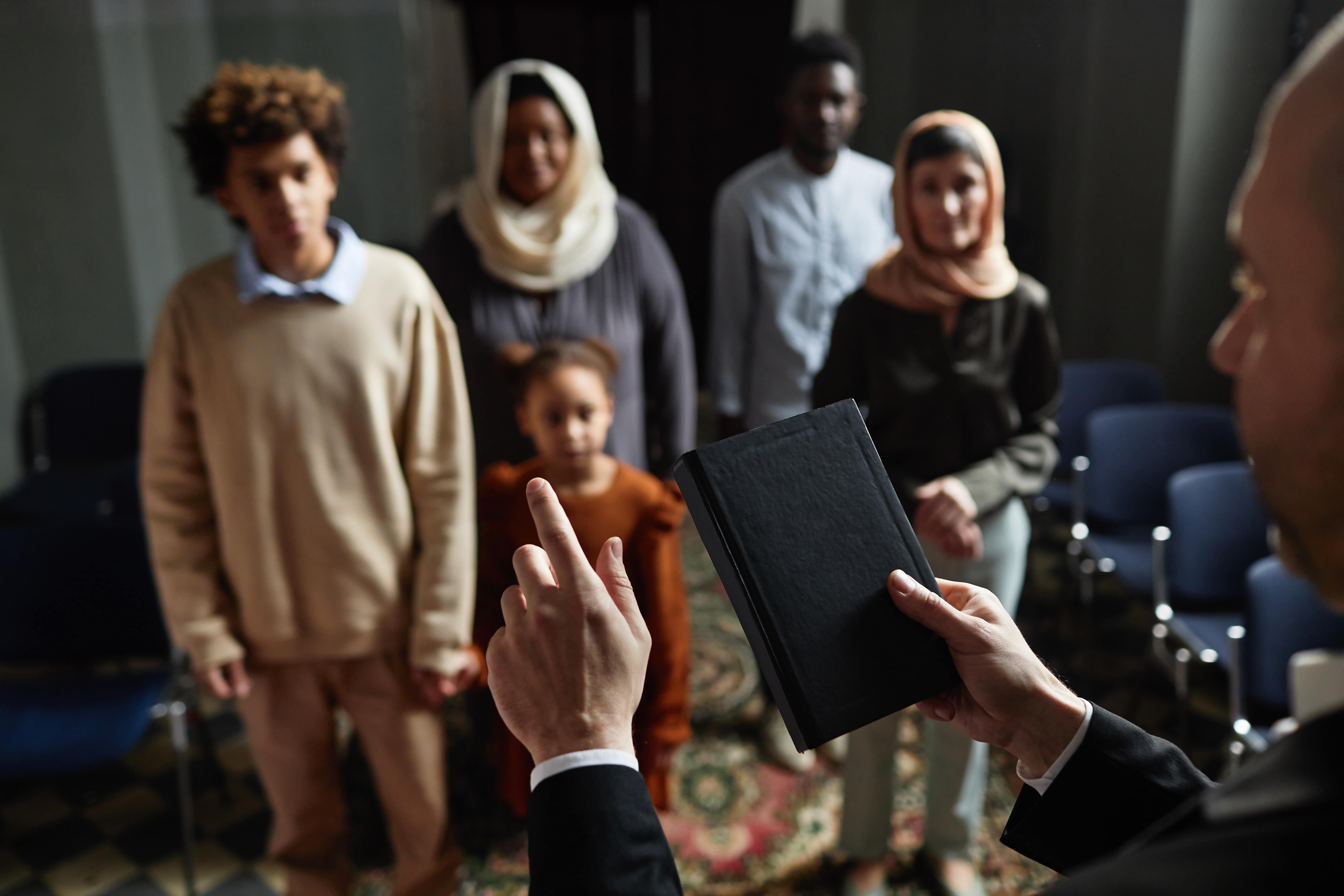
Understanding the scale of the global refugee crisis highlights the urgent need for comprehensive refugee protection and rights fulfillment.
ICOHR addresses critical dimensions of refugee rights through advocacy, monitoring, research, legal support, and direct engagement with stakeholders.
Ensuring refugees have access to fair and effective asylum procedures, protection from refoulement, and the right to seek and enjoy asylum from persecution. We work to strengthen asylum systems and protect asylum seekers' rights.
Promoting refugees' access to essential services including healthcare, education, housing, and social services. We work to eliminate barriers to services and ensure refugees receive the support they need to rebuild their lives.
Preventing the return of refugees to countries where they face persecution, torture, or serious harm. We monitor refoulement cases, advocate for stronger protections, and ensure states comply with the principle of non-refoulement.
Ensuring refugee children and adults have access to quality education. We work to eliminate barriers to education, promote inclusive educational policies, and support programs that enable refugees to continue their education.
Promoting refugees' right to work and access employment opportunities. We advocate for policies that allow refugees to work legally, support their economic integration, and eliminate barriers to employment.
Advocating for durable solutions for refugees, including voluntary repatriation, local integration, and resettlement. We work to ensure refugees have access to safe, sustainable solutions that respect their rights and dignity.
The international framework for refugee protection is built upon fundamental principles that guide all refugee rights work.
Everyone has the right to seek and enjoy asylum from persecution in other countries. States have an obligation to provide protection to those fleeing persecution and cannot arbitrarily deny access to asylum procedures.
No refugee shall be returned to a country where they face threats to their life or freedom. The principle of non-refoulement is a cornerstone of international refugee law and applies to all refugees, regardless of their legal status.
Refugees are entitled to their rights without discrimination based on race, religion, nationality, membership of a particular social group, or political opinion. They should be treated with dignity and respect.
Protecting refugees requires international cooperation and burden-sharing. States must work together to ensure refugees receive protection and support, recognizing that refugee protection is a shared international responsibility.
The 1951 Convention Relating to the Status of Refugees and its 1967 Protocol are the cornerstone of international refugee law. These instruments define who is a refugee, establish their rights, and set out the legal obligations of states. The Convention guarantees refugees' rights to work, education, housing, and freedom of movement, while prohibiting their return to countries where they face persecution. ICOHR works to ensure full implementation of the Refugee Convention and related international instruments, including the Universal Declaration of Human Rights, which recognizes the right to seek and enjoy asylum from persecution.
ICOHR employs comprehensive strategies to protect, promote, and advance the rights of refugees and displaced persons worldwide.
We support fair and effective asylum procedures, provide legal assistance to asylum seekers, monitor asylum processes, and advocate for asylum systems that respect refugees' rights and dignity.
ICOHR monitors refugee situations, documents rights violations, identifies protection gaps, and produces comprehensive reports that inform policy and advocacy efforts to strengthen refugee protection.
We advocate for legal reforms that strengthen refugee protection, ensure compliance with international refugee law, eliminate discriminatory practices, and protect refugees' rights in national legal frameworks.
ICOHR works to ensure refugees have access to essential services including healthcare, education, housing, and employment. We address barriers to services and promote inclusive policies.
We advocate for durable solutions for refugees, including voluntary repatriation when safe, local integration, and resettlement. We work to ensure refugees have access to sustainable solutions.
ICOHR engages with UNHCR, governments, and international organizations to promote refugee protection, advocate for burden-sharing, and ensure refugees' rights remain a priority on the global agenda.
Refugee rights are fundamental human rights that must be protected for all people forced to flee their homes. ICOHR's work on refugee rights requires the support and engagement of the international community. Together, we can ensure that refugees receive the protection, support, and dignity they deserve, and that their rights are respected, protected, and fulfilled everywhere.
Get Involved© 2026 International Commission On Human Rights. All rights reserved.
 DONATE