helpline:+92 21 99332615 | +92 21 99332617
International Commission on Human Rights
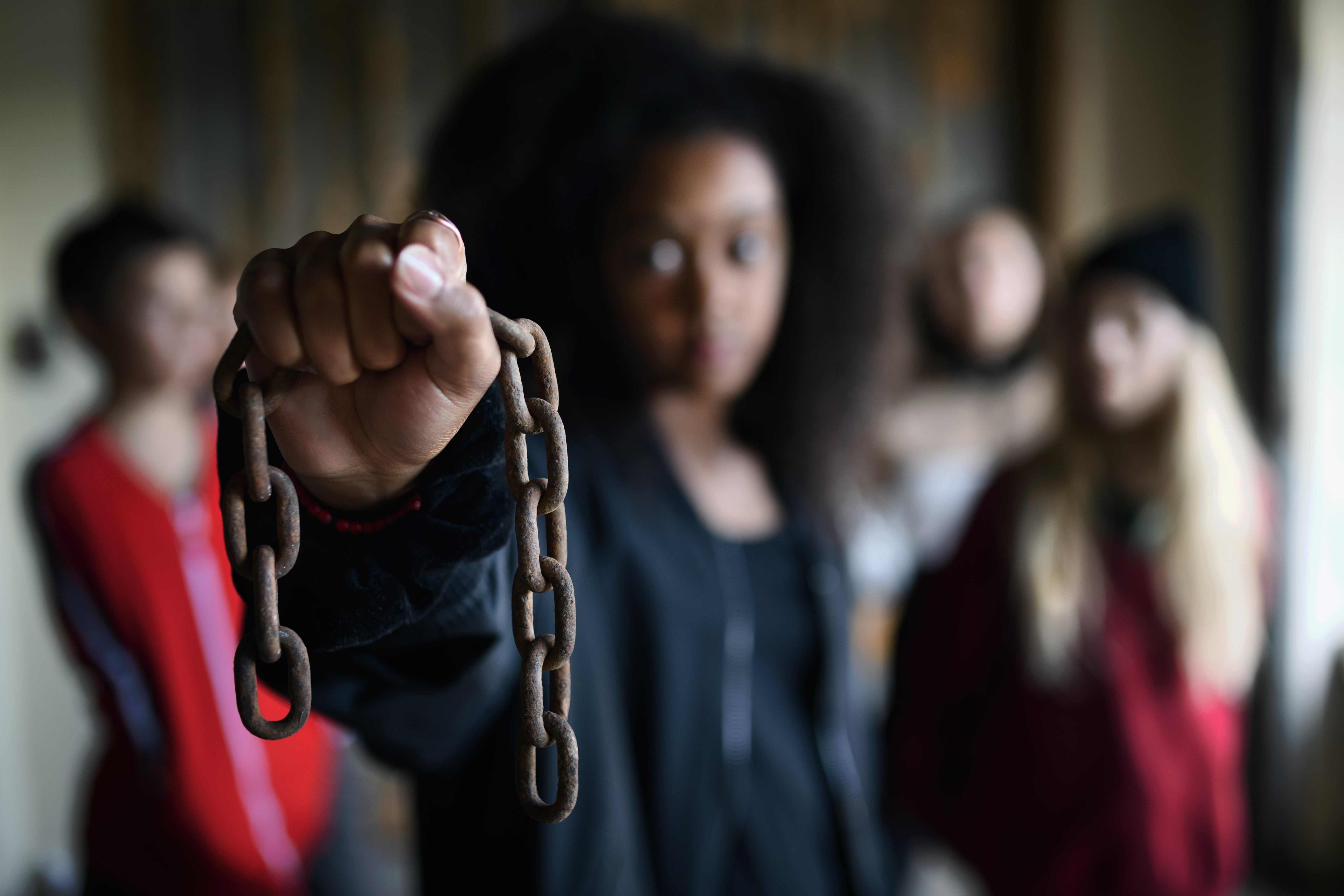
Torture and ill-treatment are grave violations that inflict lasting physical and psychological harm. International law absolutely prohibits torture under all circumstances, yet it persists in police stations, prisons, conflict zones, and detention centers worldwide. Survivors face stigma, trauma, and barriers to justice while perpetrators frequently enjoy impunity.
Torture thrives where safeguards are weak: prolonged detention without charge, coerced confessions, secret prisons, and unchecked security forces. Marginalized groups—including minorities, migrants, persons, and political dissidents—are disproportionately targeted. Technology-enabled abuses, such as digital surveillance and misuse of forensic tools, create new risks that demand urgent oversight.
The International Commission On Human Rights (ICOHR) works relentlessly to prevent torture by strengthening legal frameworks, supporting survivors, monitoring detention facilities, and pressing authorities to respect international standards. We partner with local organizations to expose abuse, secure accountability, and ensure survivors receive the care and reparations they deserve.
Data reveals a pervasive pattern of abuse that demands global action.
We address torture at every stage—from prevention to accountability and survivor support.
Advocating for absolute legal prohibitions, effective safeguards during detention, independent investigations, and the criminalization of torture in national laws.
Conducting inspections with national preventive mechanisms, documenting conditions, and pushing for transparent oversight of police, prison, and immigration facilities.
Ensuring access to medical care, psychosocial support, rehabilitation, and reparations while centering survivors' voices in justice processes.
Training professionals to gather evidence according to the Istanbul Protocol, strengthen prosecutions, and counter denial by authorities.
Pursuing accountability through strategic litigation, international mechanisms, and sanctions targeting officials and institutions responsible for torture.
Providing human rights education for law enforcement, military, and medical professionals to embed zero-tolerance policies and ethical practices.
International law sets unequivocal rules to safeguard against torture.
No exceptional circumstances—including war, public emergency, or orders from superiors—justify torture or cruel, inhuman, or degrading treatment.
States must ensure prompt access to lawyers, family, and medical professionals, maintain registers of detainees, and allow independent monitors into all detention sites.
Health professionals are bound by ethical duties to refuse participation in torture, document injuries objectively, and report abuses without retaliation.
Victims have the right to truth, justice, compensation, rehabilitation, and guarantees of non-recurrence, with states obligated to deliver effective remedies.
The prohibition of torture is embedded in the Universal Declaration of Human Rights, the International Covenant on Civil and Political Rights, and the Convention Against Torture (UNCAT). UNCAT establishes obligations to criminalize torture, investigate allegations, extradite or prosecute suspects, and cooperate with the Committee Against Torture. Optional Protocols mandate preventive visits to detention facilities, while regional courts and special rapporteurs provide binding jurisprudence and guidance. ICOHR uses these instruments to pressure authorities, support national preventive mechanisms, and advance survivor-centered reforms.
Our integrated strategy combines monitoring, advocacy, and support for survivors.
We identify high-risk detention contexts, analyze patterns of abuse, and issue urgent alerts to mobilize national and international responses.
ICOHR coordinates legal representation, protective measures, and relocation support for individuals at immediate risk of torture or enforced disappearance.
We compile case files, survivor testimonies, and forensic documentation to engage UN bodies, regional courts, and national authorities.
ICOHR trains investigators, judges, medical personnel, and civil society organizations on international torture standards and survivor-sensitive approaches.
We build alliances with national NGOs, bar associations, and survivor networks to demand reforms, expose abuses, and shift public opinion.
We track compliance with court rulings and UN recommendations, ensuring reforms take root and survivors receive lasting protection and support.
Torture undermines justice and humanity. Stand with ICOHR to strengthen safeguards, support survivors, and hold perpetrators accountable. Together we can ensure dignity for all.
Get Involved© 2026 International Commission On Human Rights. All rights reserved.
 DONATE