helpline:+92 21 99332615 | +92 21 99332617
International Commission on Human Rights
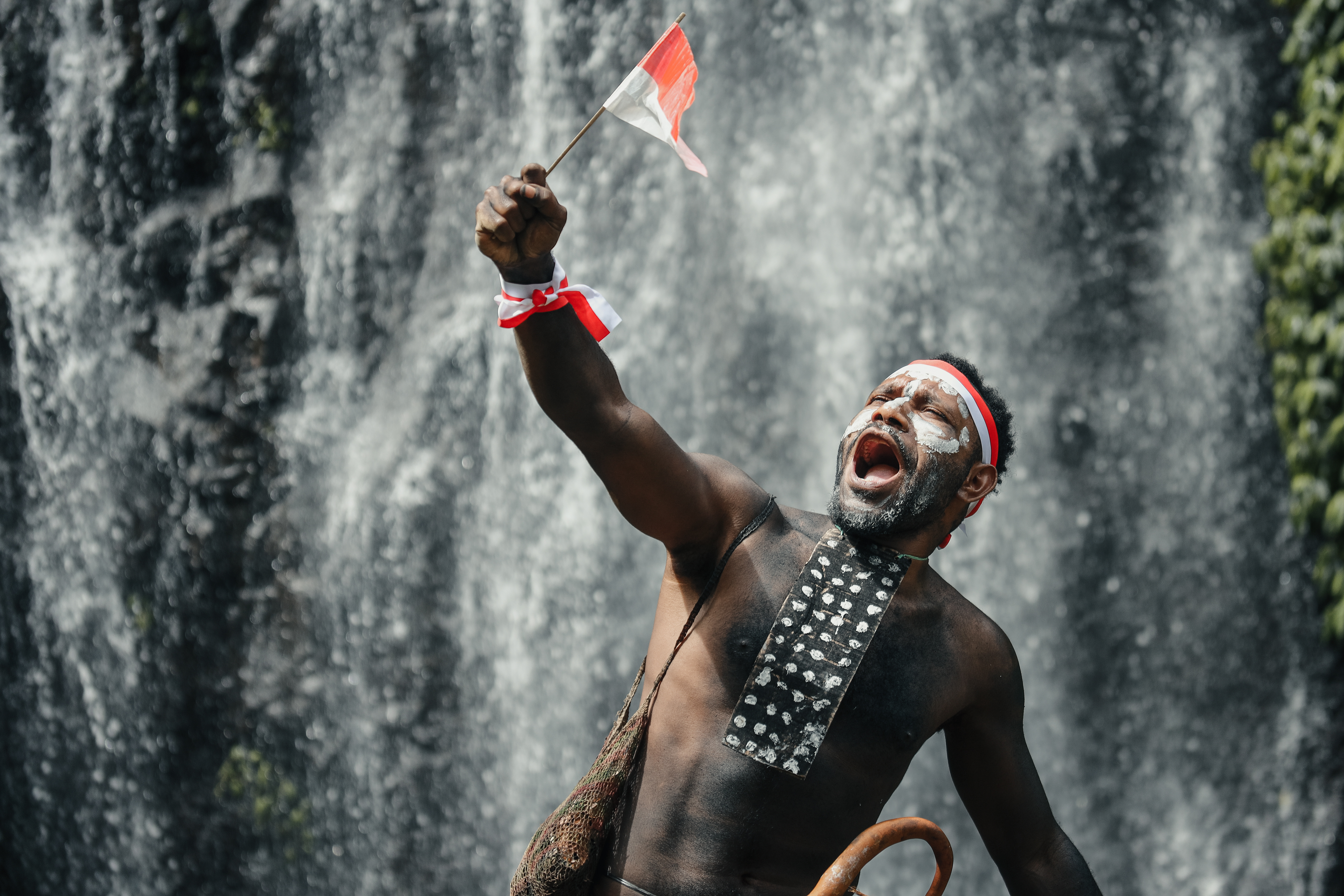
Indigenous peoples are stewards of diverse cultures, languages, and ecosystems. Their inherent rights include self-determination, ownership of lands and resources, free, prior, and informed consent, preservation of cultural heritage, and participation in decisions affecting their lives. Protecting Indigenous rights is essential for justice, biodiversity, and sustainable development.
Despite international recognition, Indigenous communities continue to face forced displacement, violence, resource extraction without consent, environmental destruction, and assimilation policies. Indigenous human rights defenders are criminalized, and many communities grapple with the legacy of colonialism, discrimination, and structural exclusion from political and economic power.
The International Commission On Human Rights (ICOHR) partners with Indigenous leaders and organizations to secure land rights, defend sacred sites, advance climate justice, and amplify Indigenous voices in national and global forums. We advocate for systems that respect Indigenous knowledge and ensure Indigenous peoples thrive on their own terms.
Global statistics highlight systemic inequities impacting Indigenous peoples.
We advance Indigenous rights through partnerships grounded in respect, reciprocity, and justice.
Securing legal recognition of ancestral territories, halting land grabs, and ensuring Indigenous peoples benefit from natural resources with their consent.
Elevating Indigenous stewardship in climate solutions, protecting biodiversity, and opposing extractive projects that endanger ecosystems and livelihoods.
Supporting community-led litigation, participatory mapping, and advocacy to enforce treaties, customary law, and human rights standards.
Promoting language preservation, cultural education, repatriation of artifacts, and protection of sacred knowledge and practices.
Ensuring Indigenous peoples participate in policymaking, enjoy representation, and exercise self-governance over their institutions.
Providing rapid support to Indigenous human rights defenders facing threats, criminalization, or violence for protecting their communities.
International norms affirm the collective rights and unique status of Indigenous peoples.
Indigenous peoples have the right to freely determine their political status, pursue their development, and maintain their institutions and identities.
States must legally recognize Indigenous land tenure, protect sacred places, and secure restitution or compensation for lands taken without consent.
Any project affecting Indigenous lands or resources requires genuine consultation and consent before decisions are made or activities begin.
States must eliminate discrimination, guarantee equal protection of the law, and address historical injustices impacting Indigenous communities.
Indigenous rights are anchored in the UN Declaration on the Rights of Indigenous Peoples (UNDRIP), ILO Convention No. 169, and regional instruments protecting collective rights, culture, and land. Jurisprudence from the Inter-American Court of Human Rights, African Commission, and national courts provides binding precedents on Indigenous land restitution, FPIC, and reparations. ICOHR leverages these frameworks to support community strategies, influence policy reforms, and hold states accountable for implementing international commitments.
Our holistic strategy centers Indigenous leadership and long-term solidarity.
We conduct participatory human rights assessments, documenting threats and mapping priorities set by Indigenous communities themselves.
ICOHR engages governments, UN mechanisms, and financial institutions to demand respect for Indigenous rights in laws, policies, and projects.
We support landmark cases on land restitution, criminalization of defenders, and Indigenous participation, creating precedents for future victories.
ICOHR offers training on international law, negotiation, media engagement, and digital security to strengthen Indigenous advocacy.
We track implementation of Indigenous rights commitments, issue public reports, and coordinate with oversight bodies to secure remedies.
ICOHR fosters alliances among Indigenous nations, environmental movements, and human rights organizations to amplify collective power.
Indigenous rights protect lands, cultures, and our shared future. Join ICOHR in supporting Indigenous leadership, defending sacred homelands, and ensuring policies honour Indigenous sovereignty.
Get Involved© 2026 International Commission On Human Rights. All rights reserved.
 DONATE