helpline:+92 21 99332615 | +92 21 99332617
International Commission on Human Rights
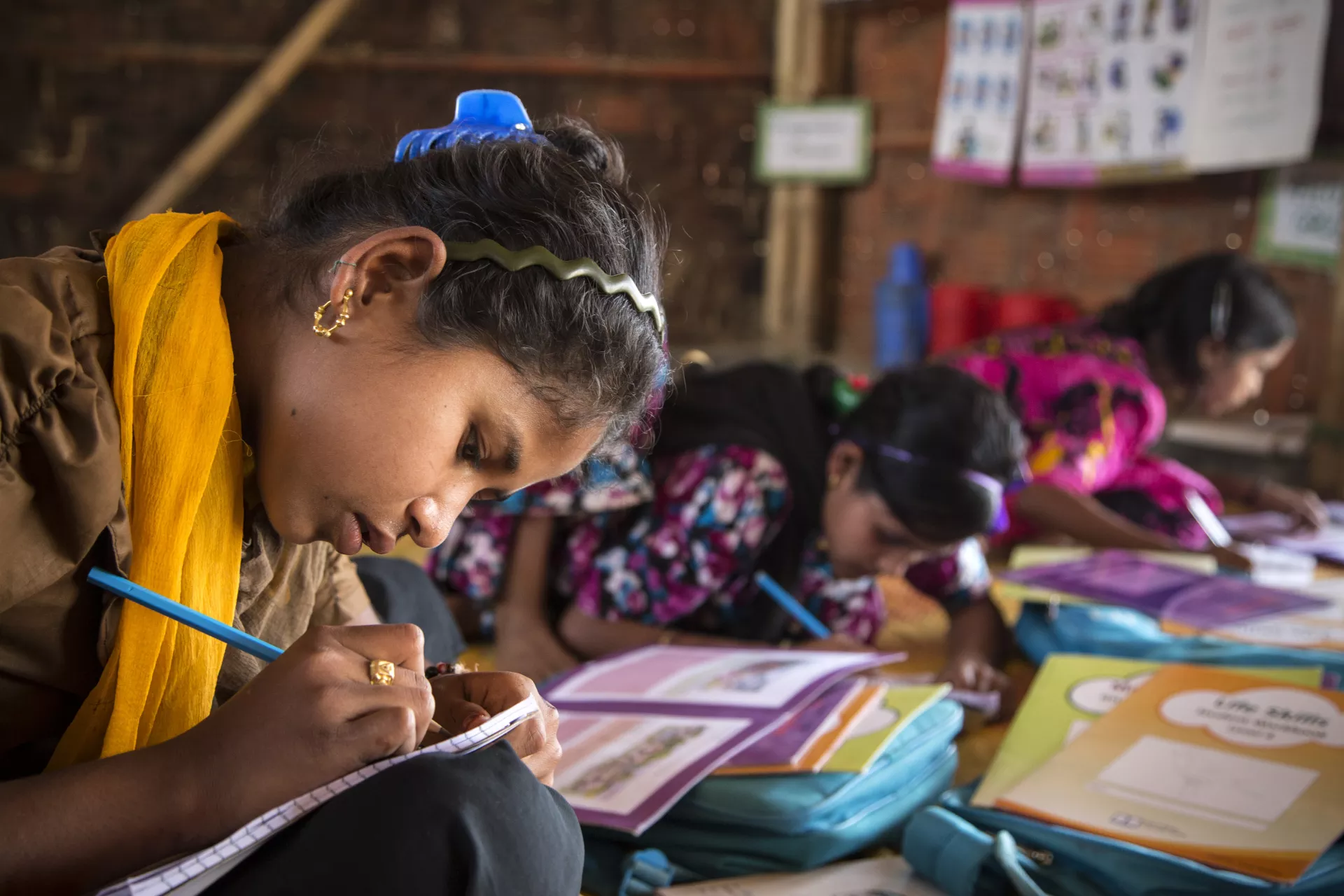
Education is a fundamental human right that empowers individuals, transforms communities, and drives social and economic development. The right to education is enshrined in international human rights law and is essential for the realization of all other human rights. Every person, regardless of age, gender, race, religion, disability, or socioeconomic status, has the right to access quality, inclusive, and equitable education.
Despite international commitments and legal frameworks, millions of children, adolescents, and adults worldwide are denied their right to education. Barriers to education include poverty, discrimination, conflict, displacement, gender inequality, disability, lack of infrastructure, and inadequate funding. These challenges disproportionately affect marginalized and vulnerable populations, perpetuating cycles of inequality and exclusion.
At the International Commission On Human Rights (ICOHR), we are committed to protecting and promoting the right to education for all. Our work addresses barriers to education, promotes inclusive and equitable education systems, ensures access to quality education, and advocates for education policies that respect, protect, and fulfill the right to education for everyone, everywhere.
Understanding the scale of educational challenges worldwide highlights the urgent need for comprehensive education rights protection and fulfillment.
ICOHR addresses critical dimensions of education rights through advocacy, monitoring, research, policy reform, and direct engagement with stakeholders.
Ensuring that primary education is free and compulsory for all children, and that secondary and higher education are progressively made free and accessible. We work to eliminate school fees, reduce costs, and ensure education is affordable for all families.
Promoting inclusive education systems that accommodate all learners, regardless of their abilities, backgrounds, or circumstances. We work to eliminate discrimination, remove barriers, and ensure equal access to quality education for everyone.
Advocating for girls' right to education and eliminating barriers that prevent girls from accessing and completing their education. We address gender discrimination, early marriage, violence, and other factors that limit girls' educational opportunities.
Ensuring persons with disabilities have access to inclusive, quality education on an equal basis with others. We work to eliminate barriers, promote reasonable accommodations, and ensure education systems are accessible to all learners.
Promoting quality education that is relevant, effective, and enables learners to acquire knowledge, skills, and values. We work to improve teaching quality, curriculum development, learning outcomes, and educational infrastructure.
Ensuring access to education during conflicts, disasters, and emergencies. We work to protect schools from attacks, support education in refugee and displacement contexts, and ensure continuity of learning during crises.
The international framework for education rights is built upon fundamental principles that guide all education rights protection and promotion.
Education must be available in sufficient quantity, with functioning educational institutions and programs, adequate infrastructure, trained teachers, and learning materials accessible to all.
Education must be accessible to all without discrimination, physically and economically accessible, and information about education must be available to everyone.
Education must be relevant, culturally appropriate, and of good quality. The form and substance of education must be acceptable to students and parents, and conform to minimum standards.
Education must be flexible and adaptable to the needs of changing societies and communities, and respond to the diverse needs of students in different social and cultural settings.
The right to education is recognized in numerous international instruments, including the Universal Declaration of Human Rights (Article 26), the International Covenant on Economic, Social and Cultural Rights (Articles 13 and 14), the Convention on the Rights of the Child (Article 28), and the Convention on the Elimination of All Forms of Discrimination against Women (Article 10). These instruments establish that education shall be directed to the full development of the human personality, strengthen respect for human rights, promote understanding and tolerance, and enable all persons to participate effectively in society. ICOHR works to ensure full implementation of these international standards and advocates for education systems that respect, protect, and fulfill the right to education for all.
ICOHR employs comprehensive strategies to protect, promote, and advance the right to education for all people worldwide.
We advocate for education policies that ensure free, compulsory, inclusive, and quality education for all. We work with governments to strengthen legal frameworks, increase education budgets, and eliminate barriers to education.
ICOHR monitors education systems, documents violations of the right to education, identifies barriers to access, and produces comprehensive reports that inform policy and advocacy efforts.
We work to eliminate all forms of discrimination in education, including discrimination based on gender, disability, race, religion, socioeconomic status, and other grounds. We promote inclusive education policies and practices.
ICOHR focuses on ensuring access to education for marginalized and vulnerable groups, including girls, children with disabilities, refugees, indigenous peoples, and children living in poverty or conflict zones.
We promote quality education by advocating for improved teacher training, curriculum development, learning materials, infrastructure, and assessment systems that ensure effective learning outcomes.
ICOHR engages with UNESCO, UNICEF, governments, and international organizations to promote education rights, advocate for increased funding, and ensure education remains a priority on the global development agenda.
Education is a fundamental human right that empowers individuals, transforms communities, and drives progress. ICOHR's work on education rights requires the support and engagement of the international community. Together, we can ensure that every person, regardless of their circumstances, has access to quality, inclusive, and equitable education that enables them to realize their full potential and contribute to a more just and peaceful world.
Get Involved© 2026 International Commission On Human Rights. All rights reserved.
 DONATE