helpline:+92 21 99332615 | +92 21 99332617
International Commission on Human Rights
FEATURE | CHILD RIGHTS | KARACHI
Listening Where Nobody Was Listening
How the International Commission on Human Rights carried the concerns of the country’s orphanages from locked corridors to the desks of parliamentarians
By ICOHR Communications Desk | Ajlal Haider Malik Orphan Welfare and Rights Advocacy Initiative 12 minute read
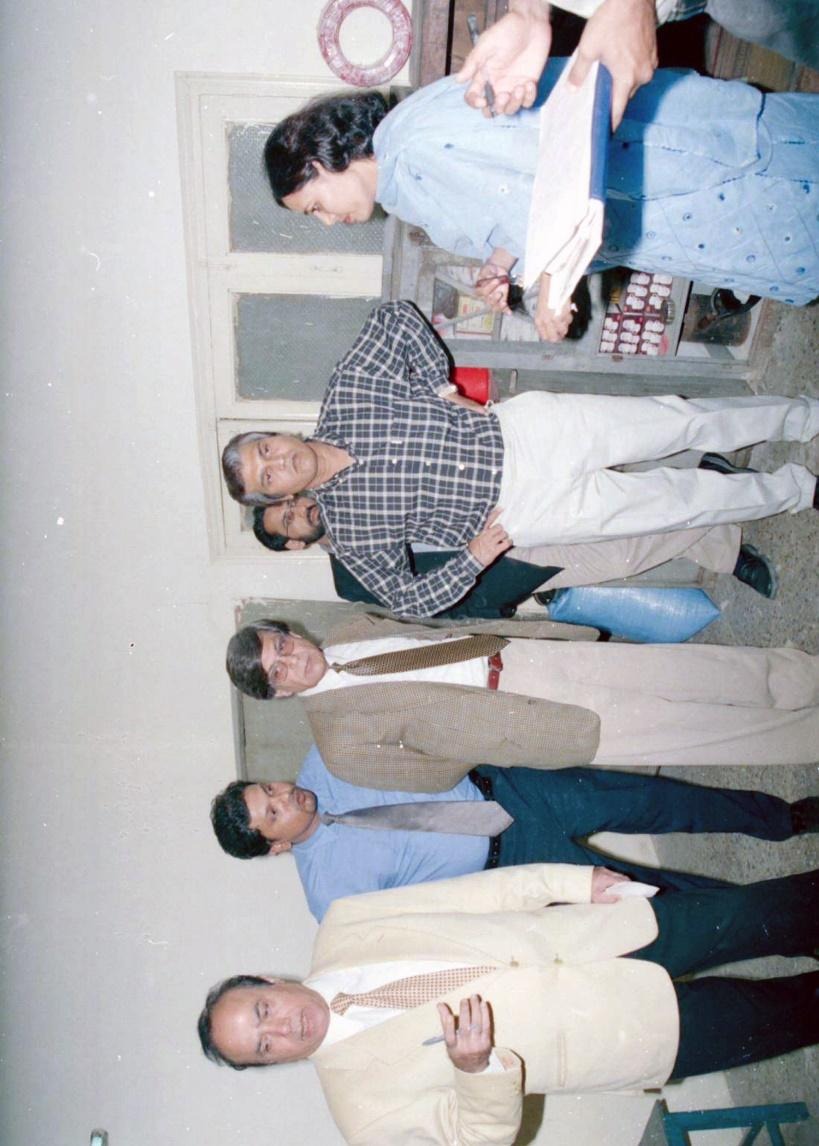
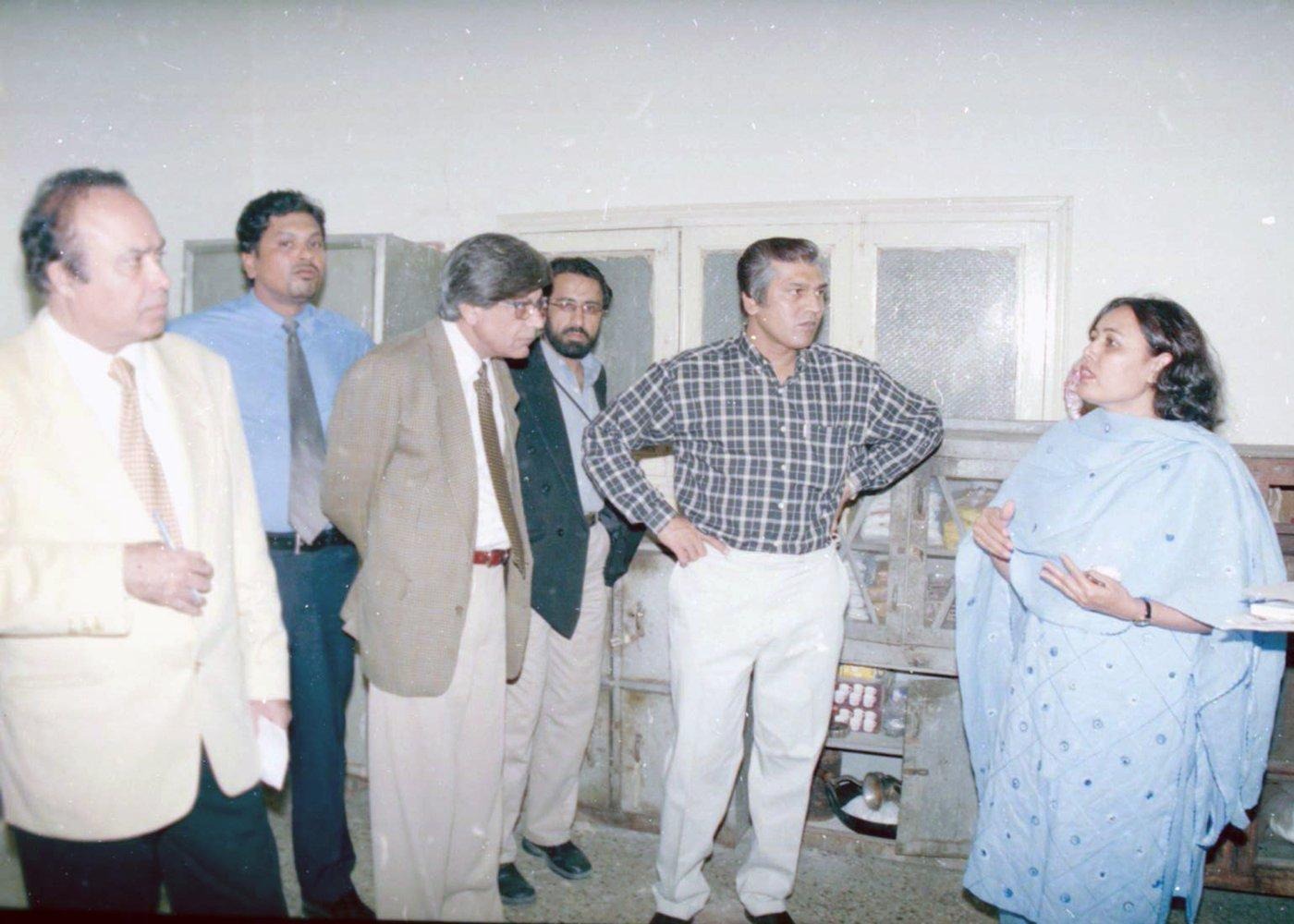
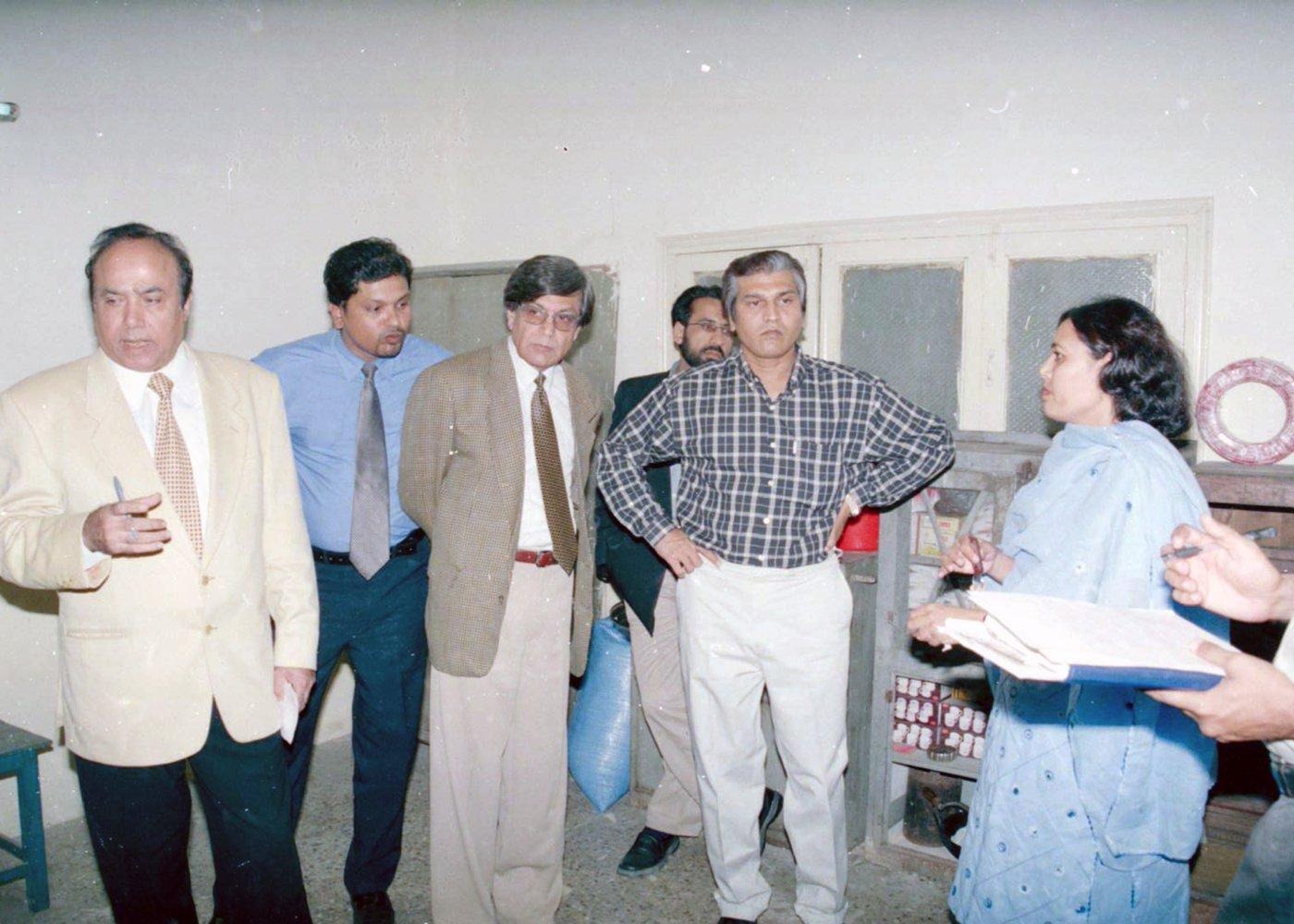
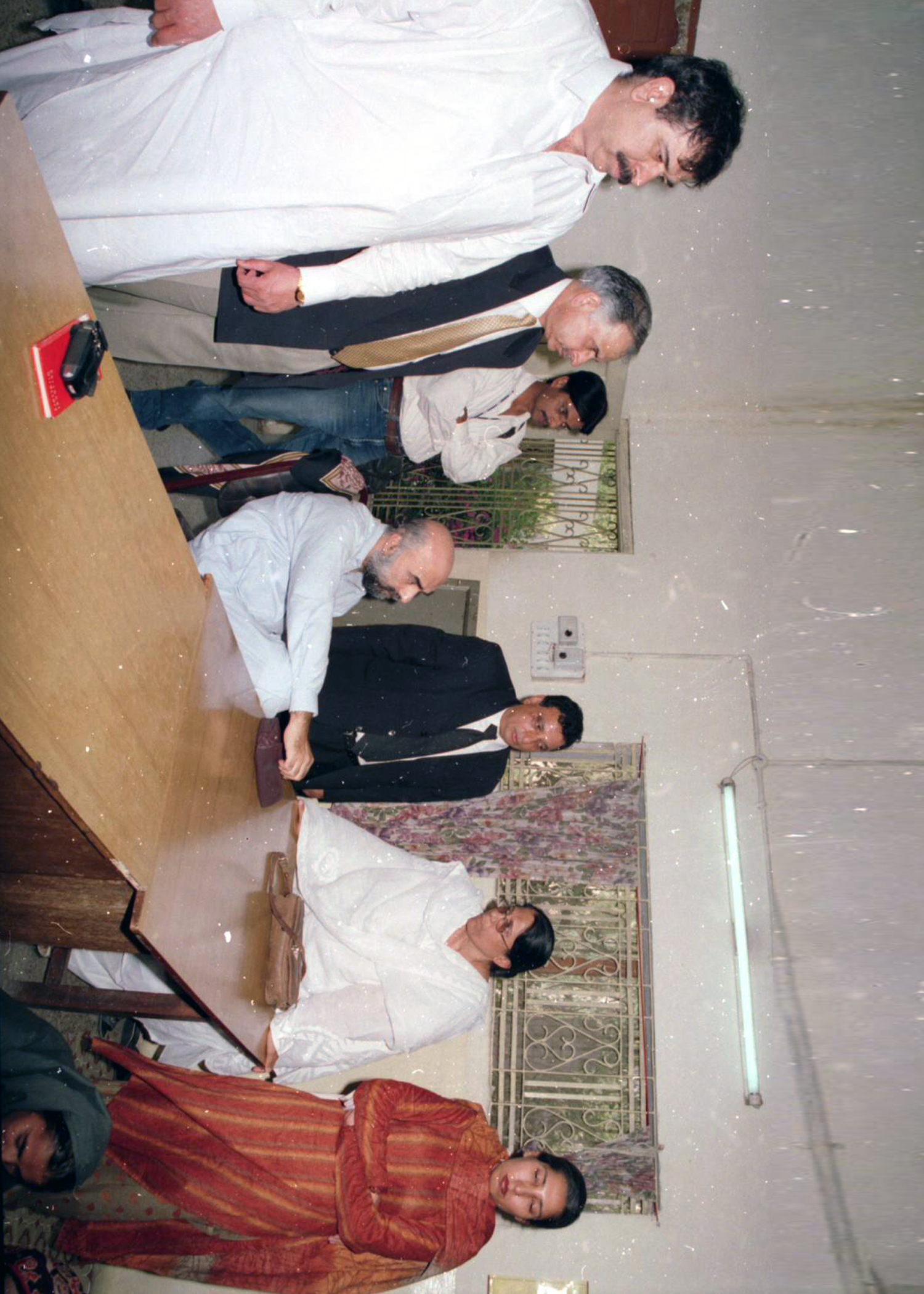
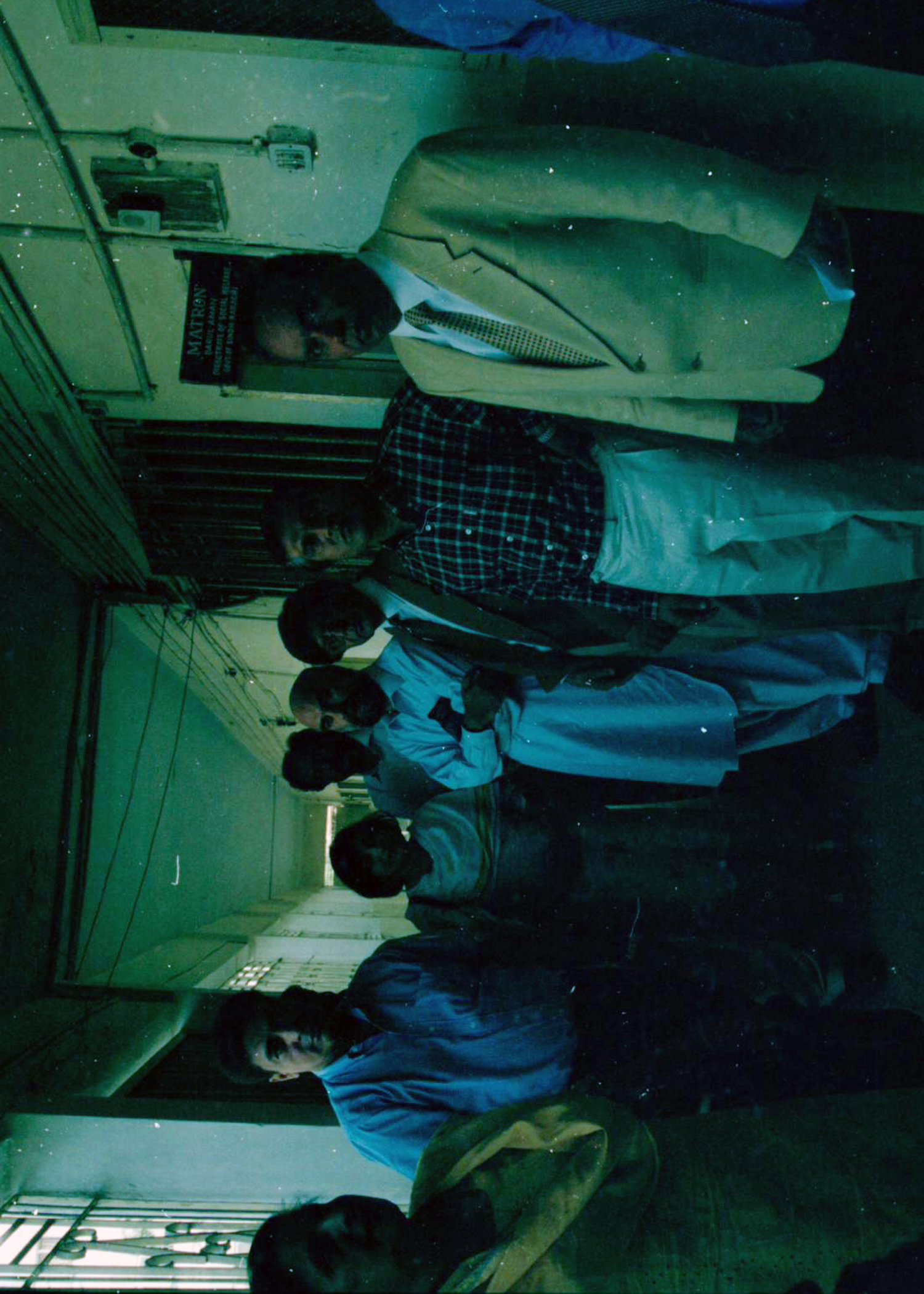
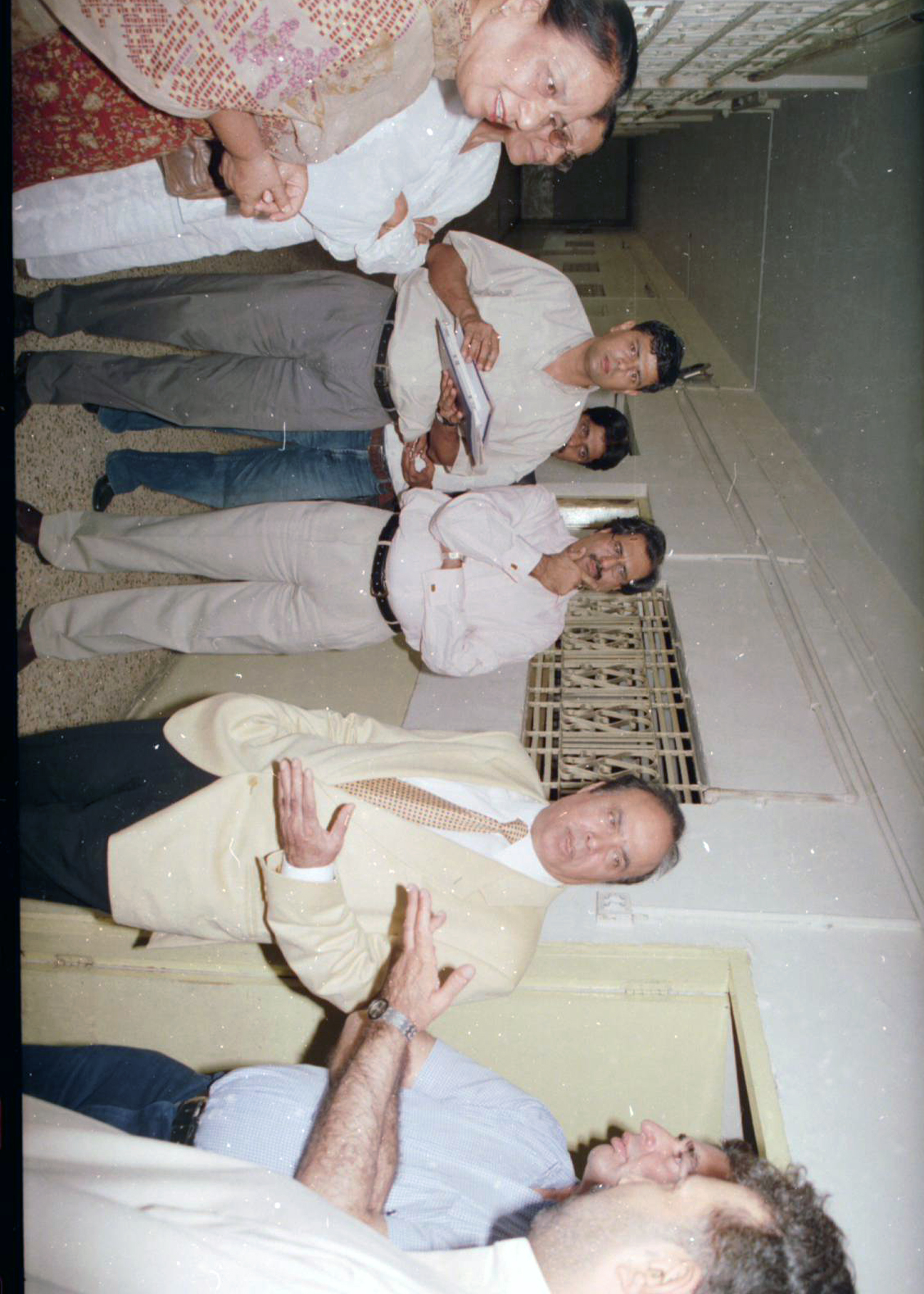
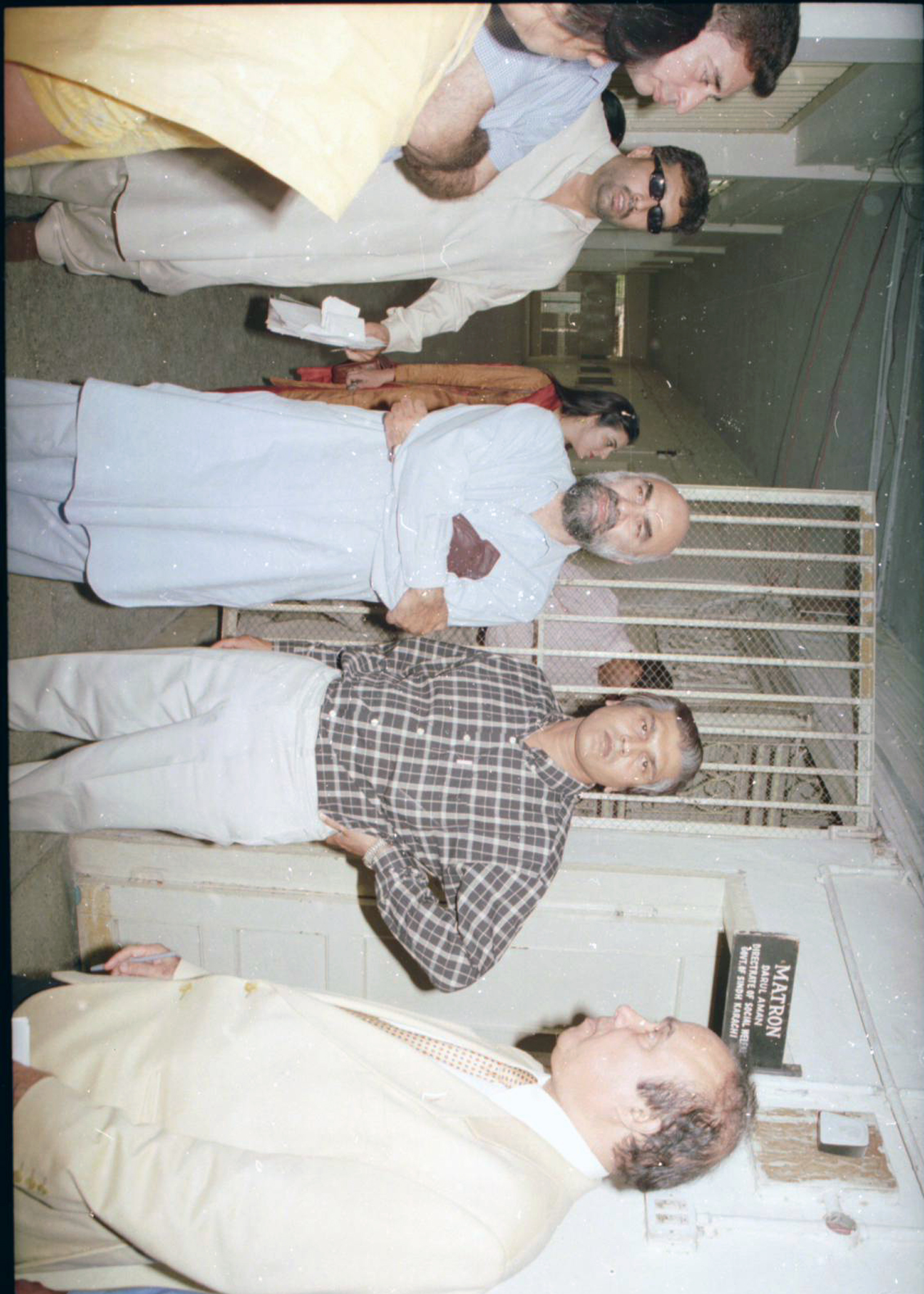
Chairman of the International Commission on Human Rights, CHAIRMAN Muhammad Aslam Ellahi with Outside the matron’s office at Darul Aman, Directorate of Social Welfare, Government of Sindh, Karachi.
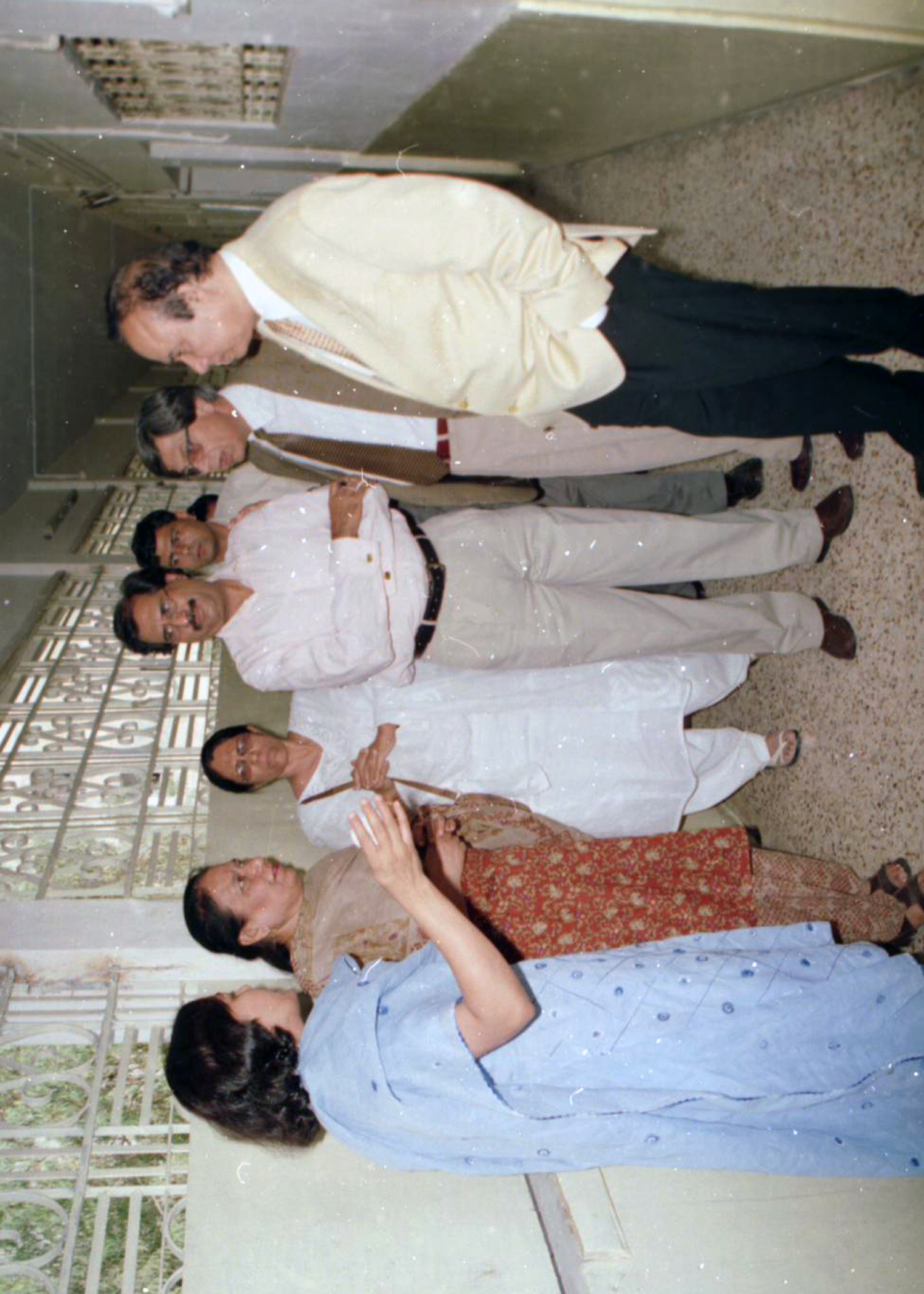
KARACHI. The corridor is long, the light is thin, and at the far end a barred gate divides one wing of the building from the next. Beside a wooden door, a small black sign reads Matron. A visiting delegation pauses here, notebooks in hand, voices lowered. Nobody is in a hurry, and that in itself is unusual. For most of the institutions that shelter children without parents, visits from the outside world are brief and ceremonial and rarely followed by anything of substance.
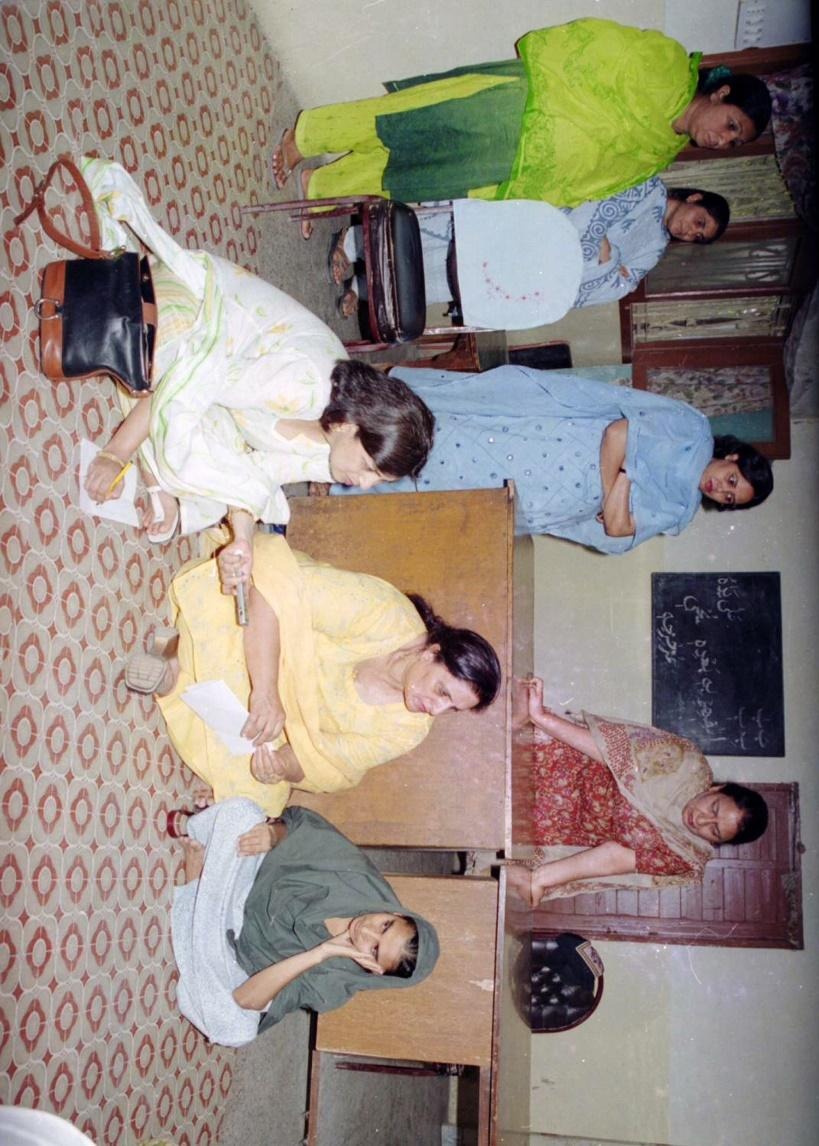
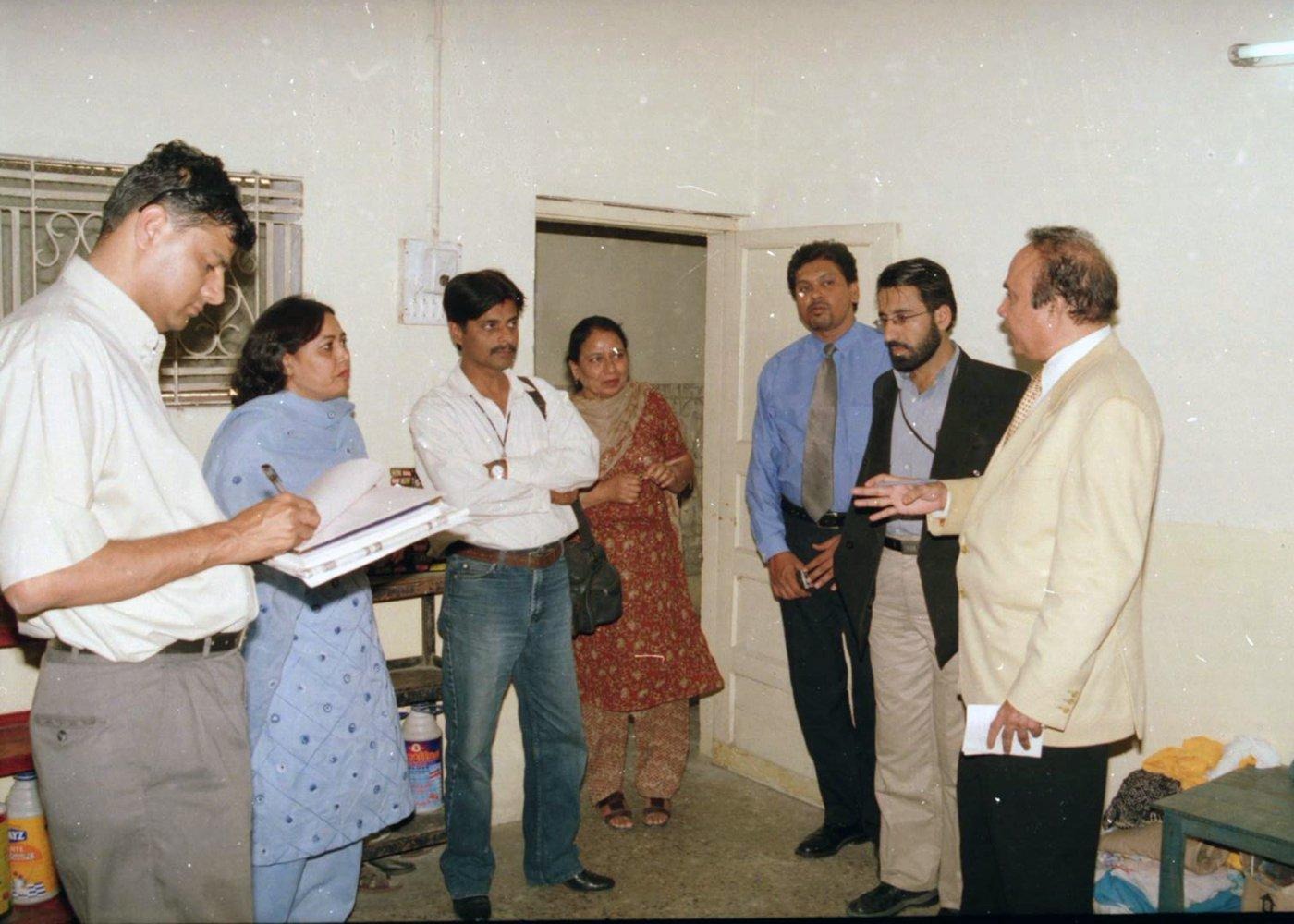
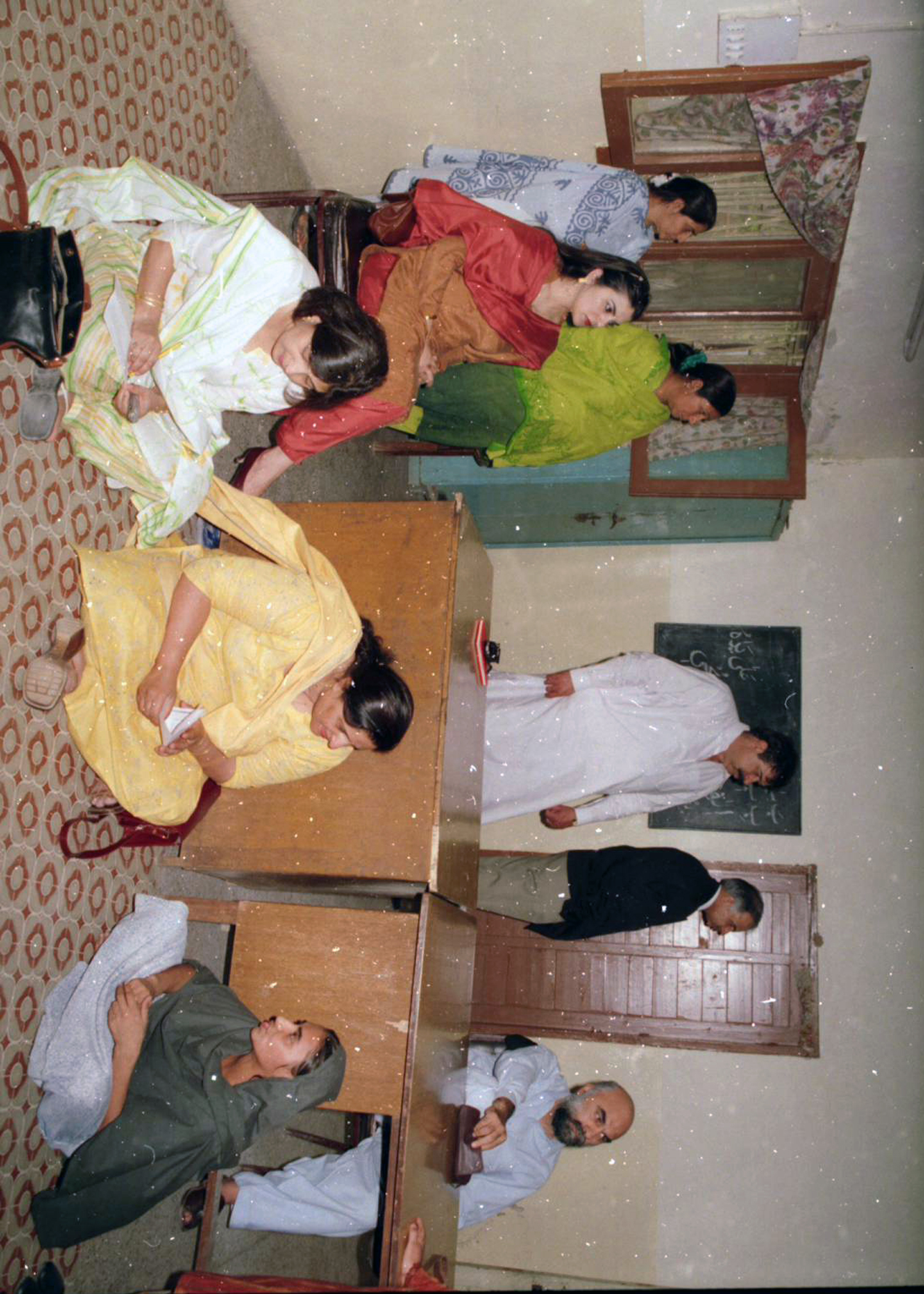
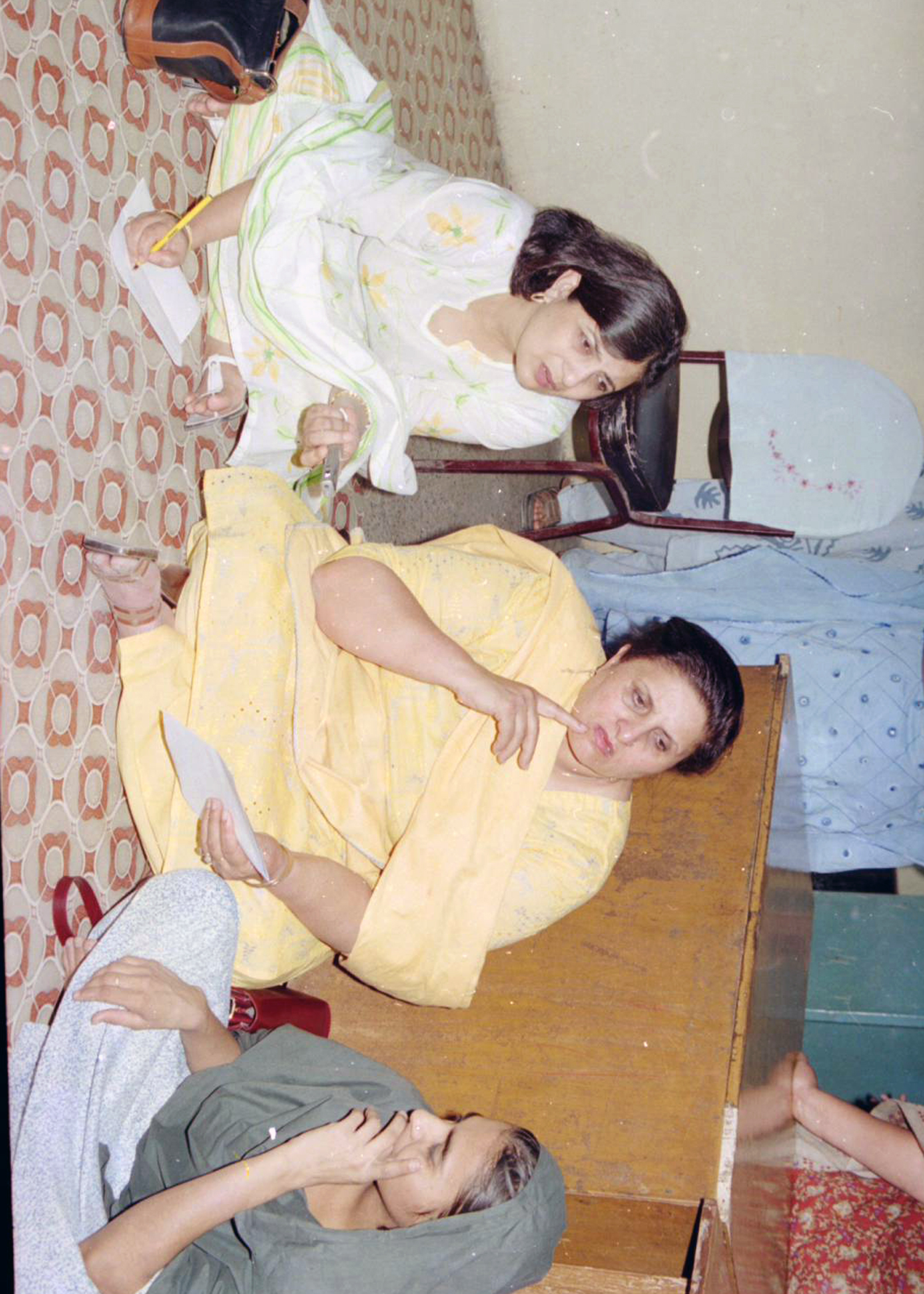
Listening at floor level: members of the team sit with a young resident and take notes during a facility visit.
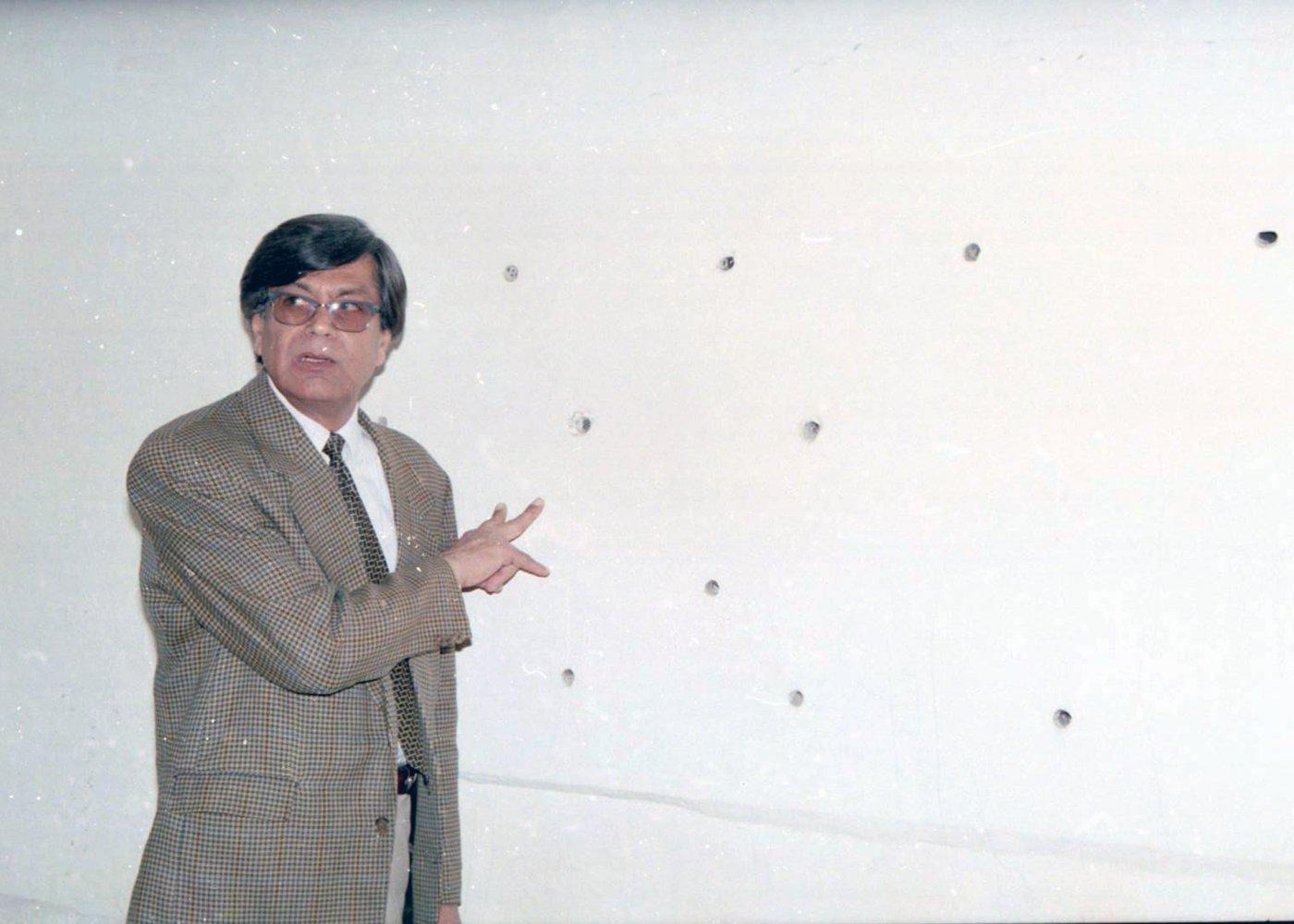
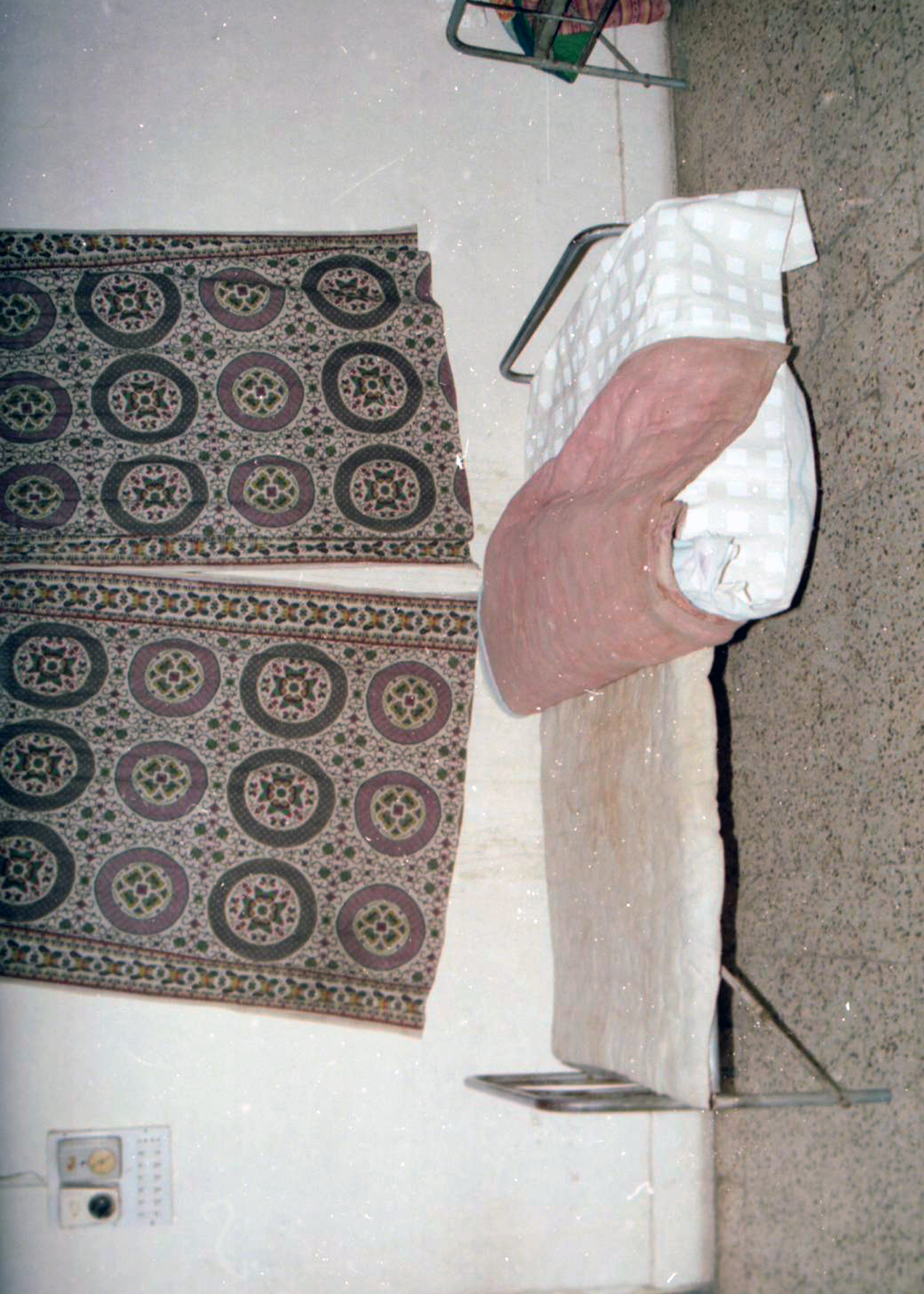
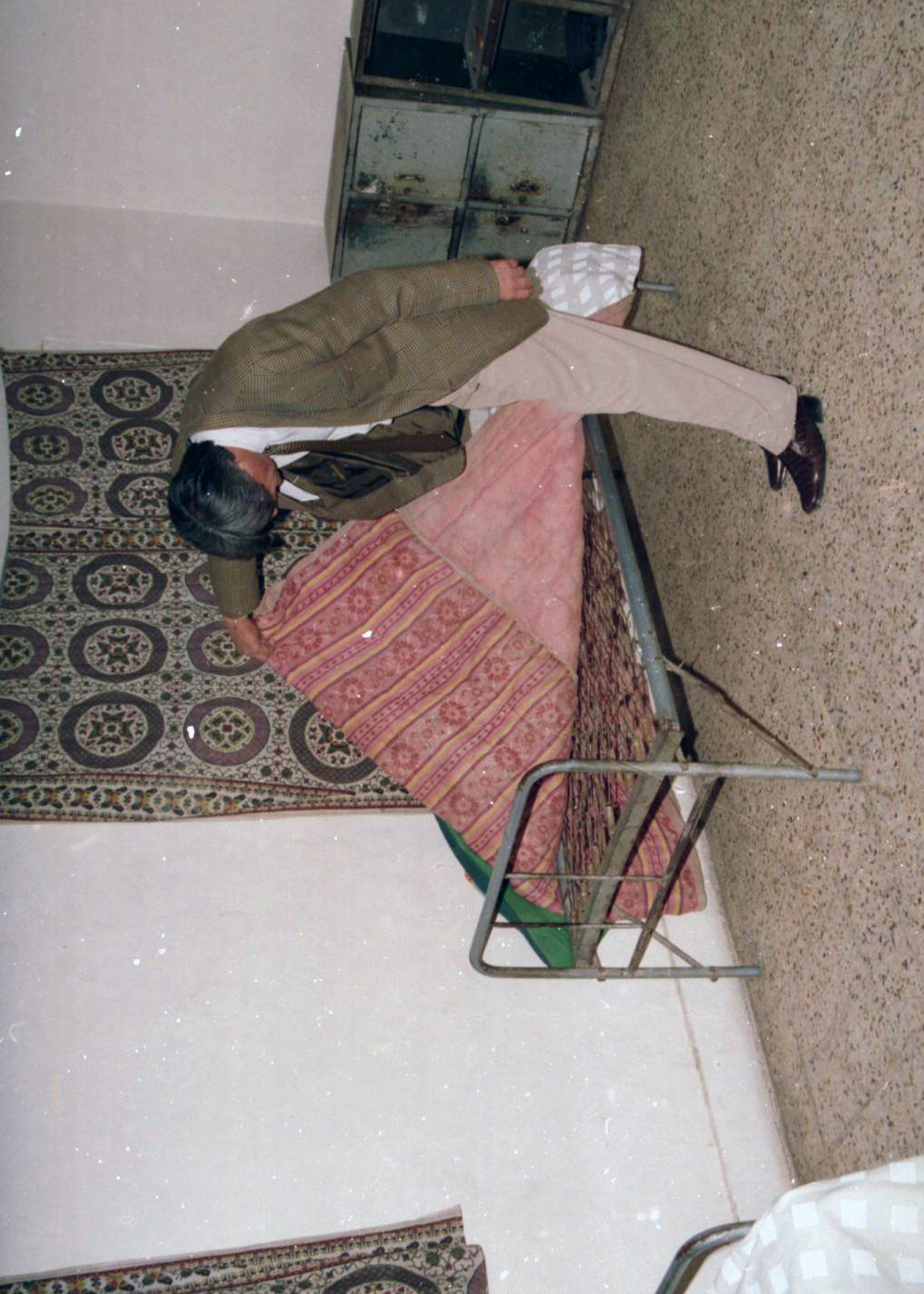
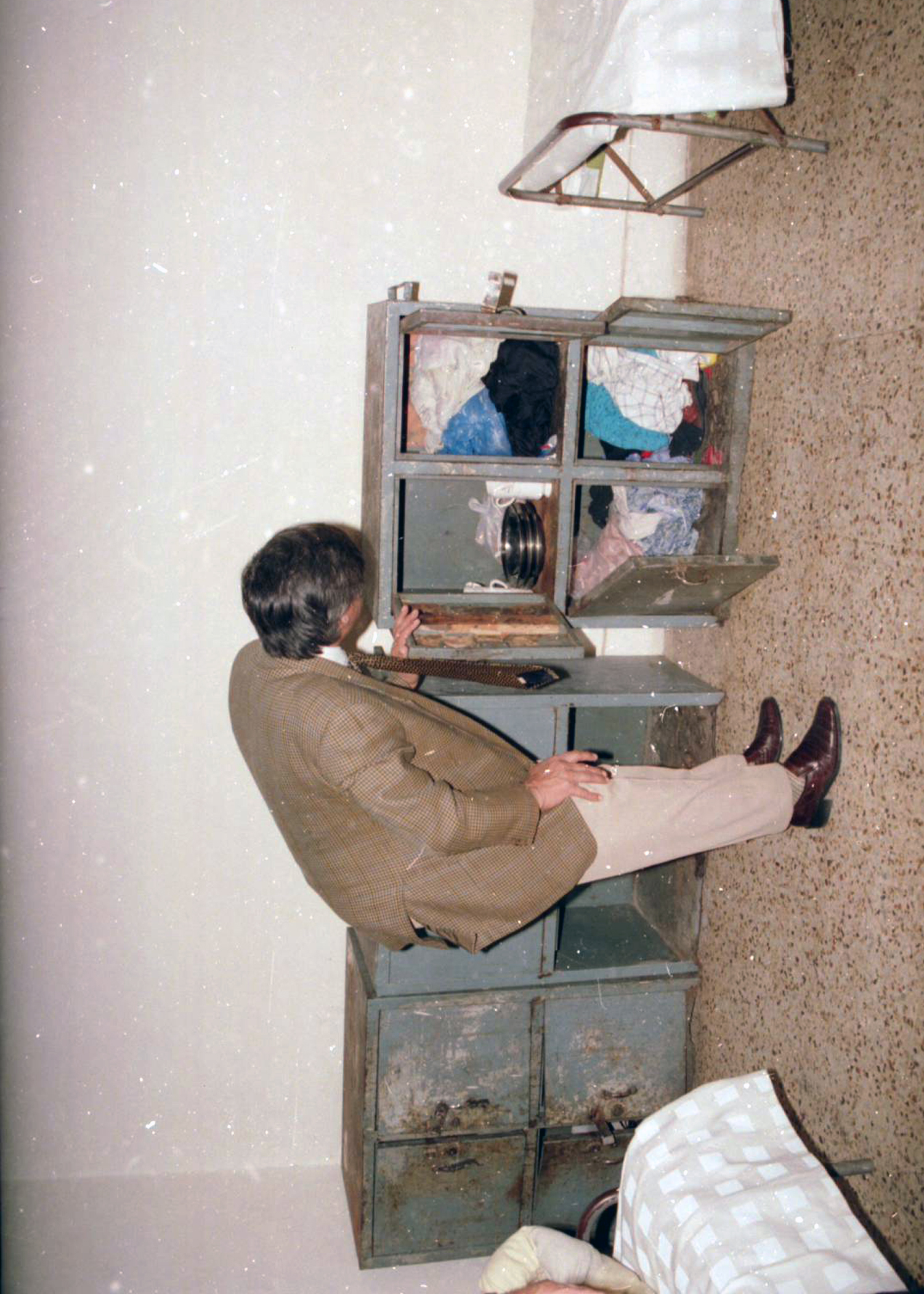
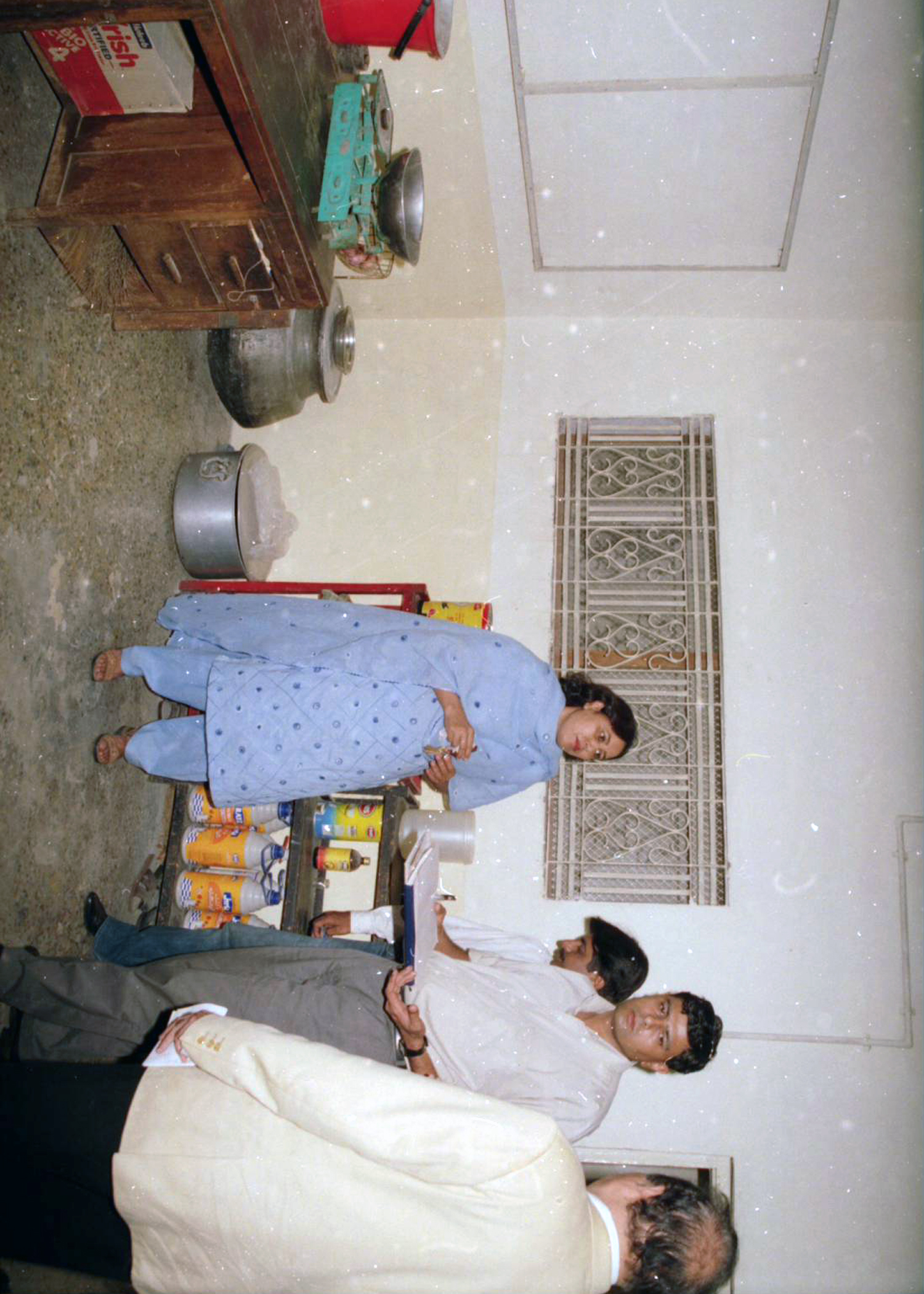
In a dormitory a little further along, one member of the team bends toward a set of steel lockers and opens the doors one by one. There is not much to see. A stack of steel plates, a couple of mugs, clothes folded and refolded until they have gone soft with washing. It is the entire inventory of a childhood, and the visitor studies it for a long moment before writing something down.
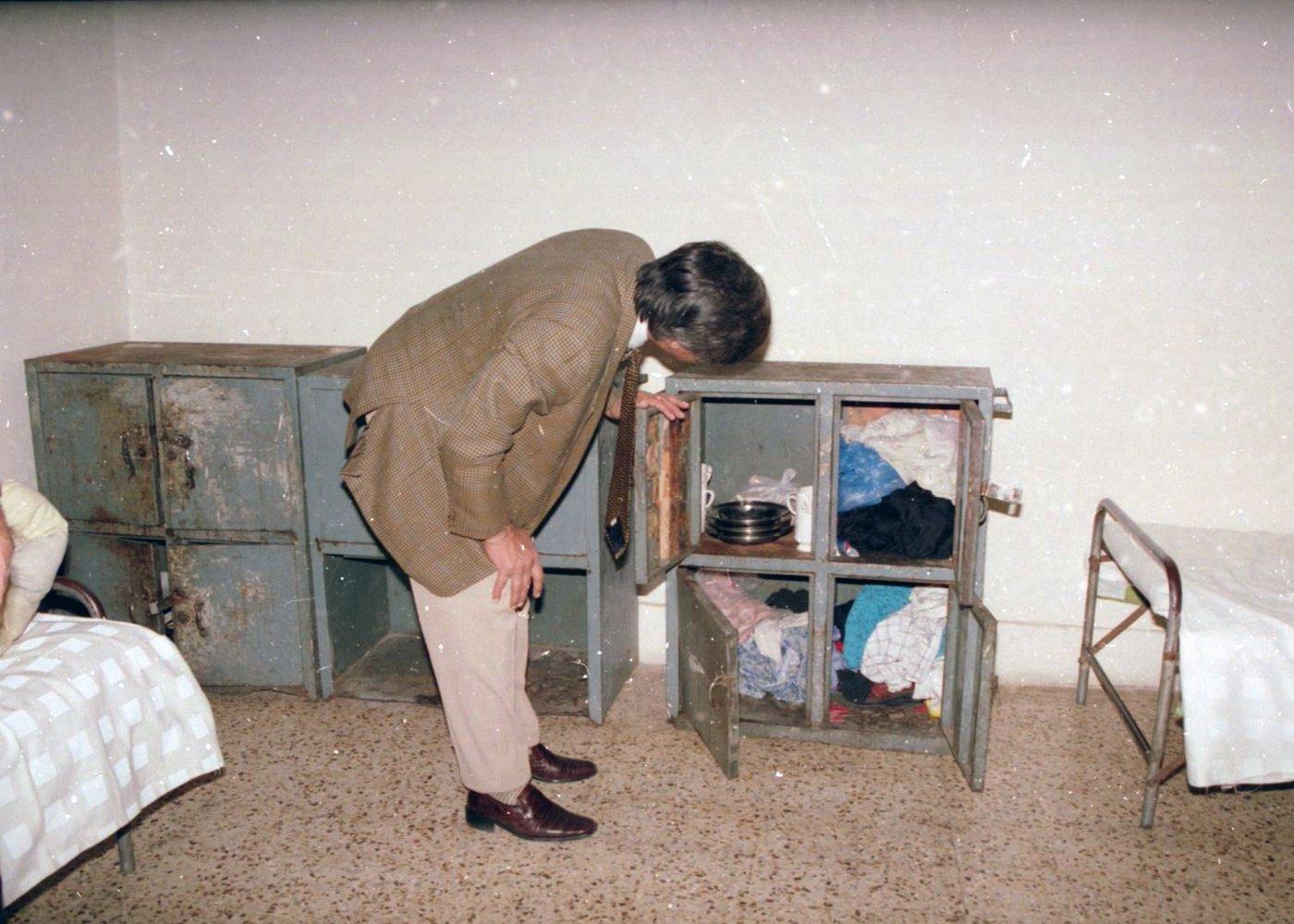
Checking what a resident actually owns: a team member inspects the steel lockers where plates, mugs and clothes are stored.
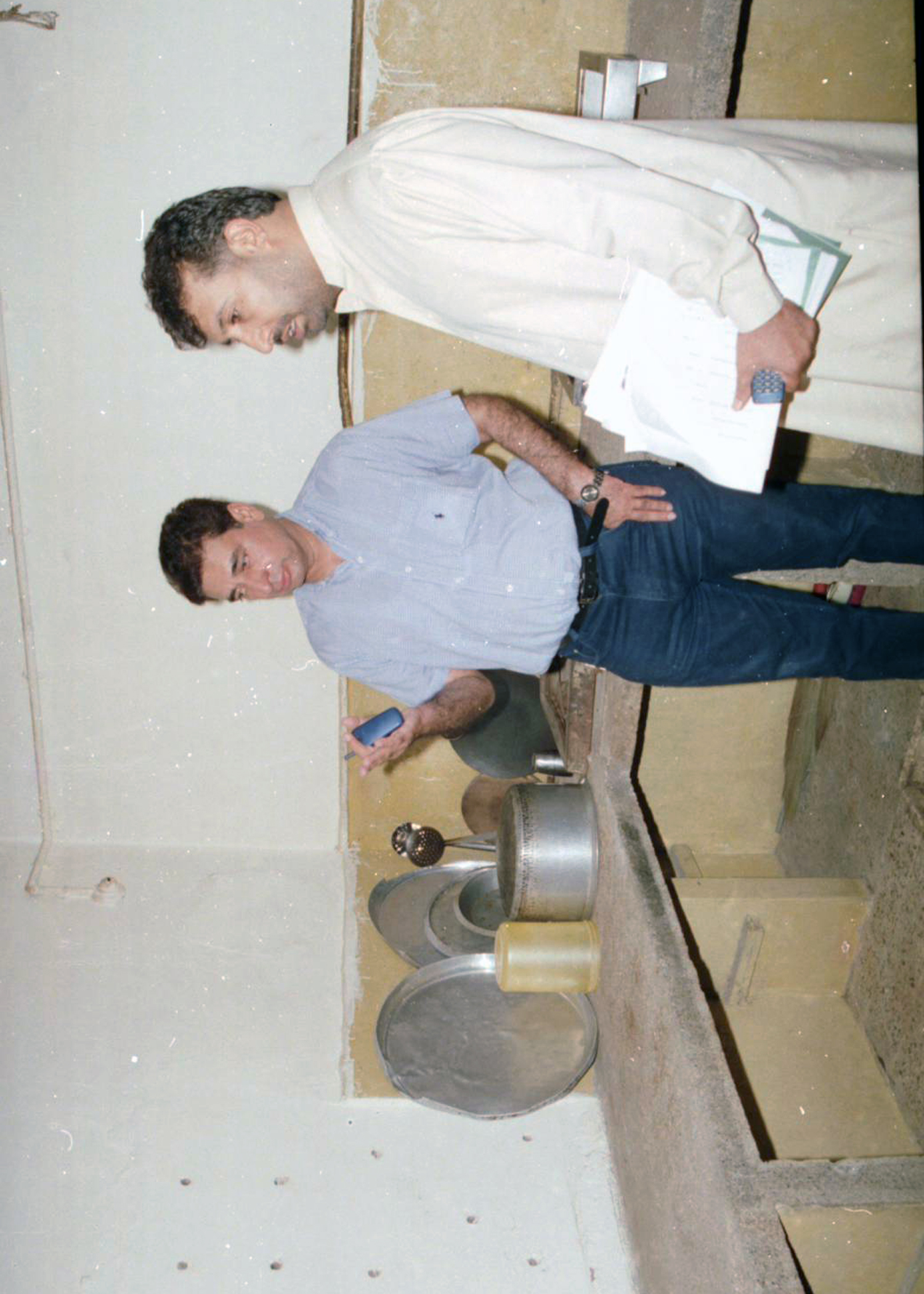
This is what the Yateem Khana Project looks like at ground level. It does not begin with speeches or press conferences. It begins with a person standing in a room, looking carefully, and being willing to write down what they see.
Every society is measured, sooner or later, by how it treats the children who have no one to speak for them. Orphanages, known across the country as Yateem Khanas, sit at an awkward intersection of charity, administration and law. They are often run by dedicated people on limited budgets, answerable to departments with limited time, and watched by a public that tends to remember them at Eid and Ramzan and forget them for the rest of the year.
The children who grow up in them face a particular kind of invisibility. They have no parents to file a complaint, no family to raise a voice in a meeting, no constituency to notice when a roof leaks or a ration runs short. The facilities that raise them, meanwhile, frequently operate without adequate policy representation or institutional safeguards. Their problems are real, but they are rarely written down in a form that decision makers can act on.
It was this gap, between what happens inside a shelter and what is known outside it, that the International Commission on Human Rights decided to address in 2005.
When ICOHR launched the Orphan Welfare and Rights Advocacy Initiative, it made a choice that shaped everything that followed. Rather than act as a distant observer issuing statements from a comfortable office, the Commission took on direct responsibility as the frontline advocate for orphanages and parentless children. In practice, that meant three commitments, each captured by a phrase the project team still uses among themselves.
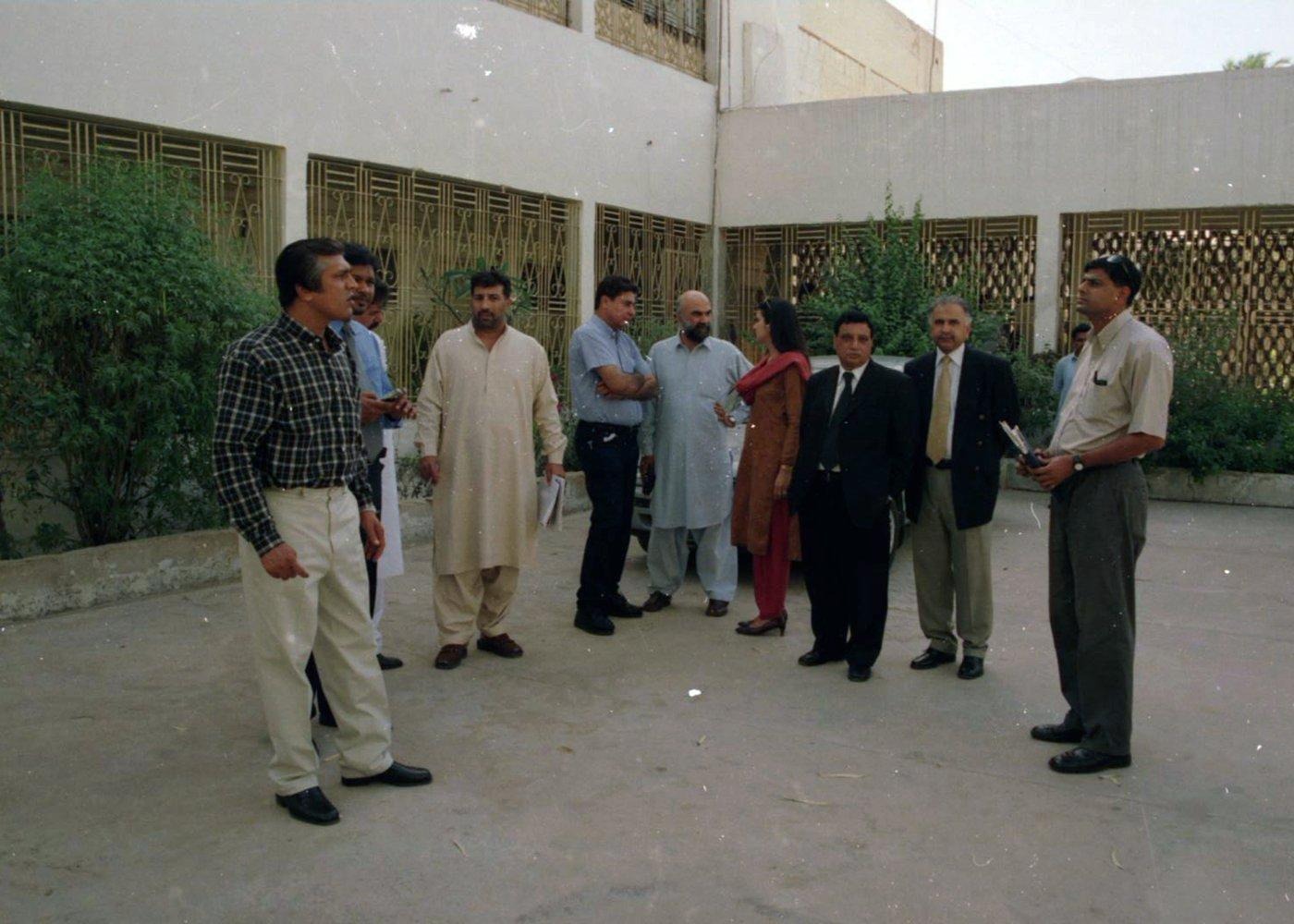
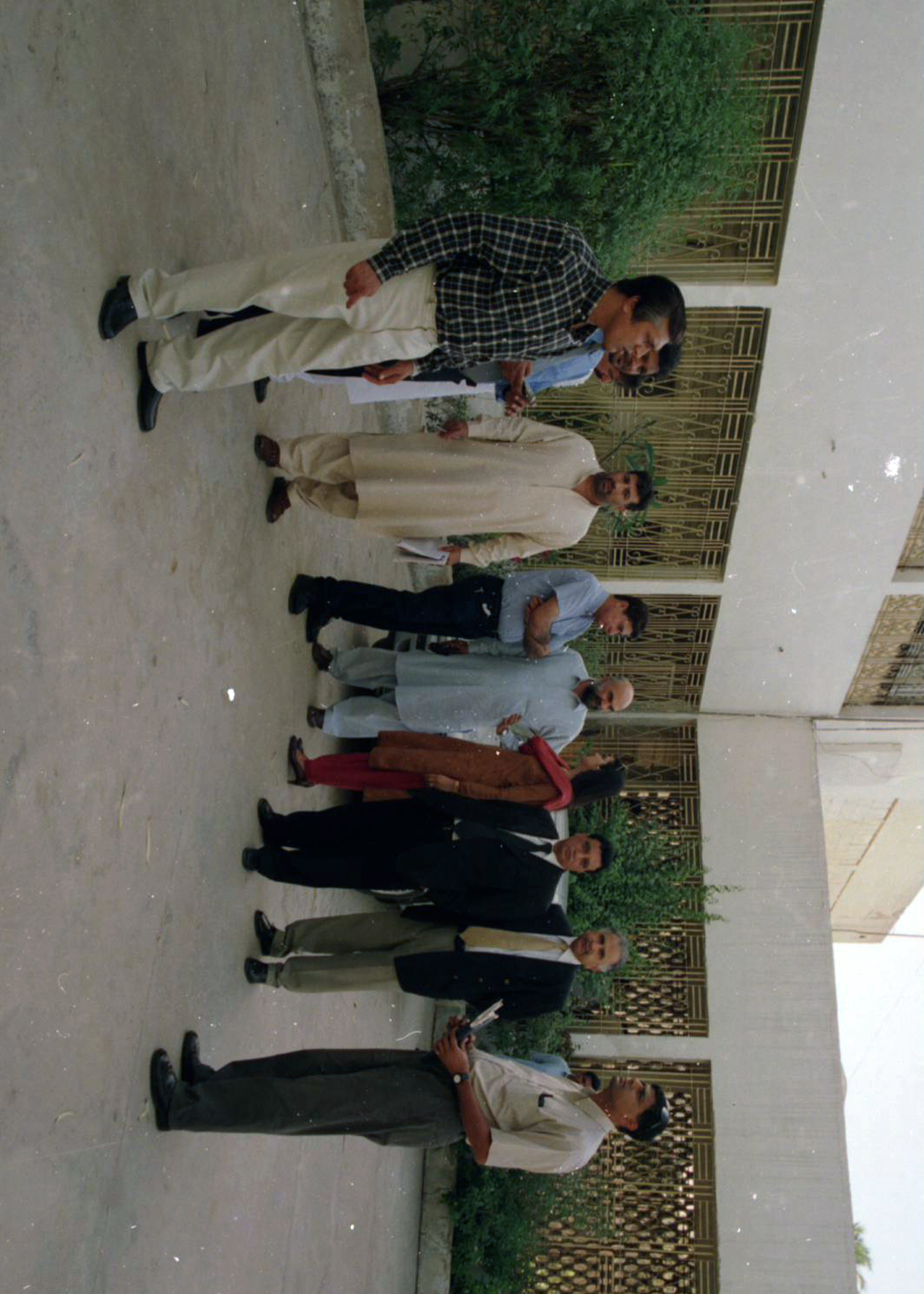
Before the visit begins: team members and partners gather in the courtyard of a facility to plan the day.
The first commitment was to give orphan children, and the people who manage their shelters, an institutional platform. Fundamental rights, welfare needs and legal protections are easy to state in principle. They are far harder to defend when the people affected have no standing in the rooms where budgets and regulations are decided. ICOHR set out to occupy that space on their behalf.
The second commitment was the least glamorous and, arguably, the most important. The team would sit with facility leadership and ground representatives, listen to the daily administrative, legal and operational hurdles they faced, and record them accurately. Complaints in this sector are often oral, emotional and impossible to verify. A complaint that is documented, dated and cross checked becomes something different: evidence.
The third commitment was to carry that evidence to the places where it could change something. ICOHR took on the responsibility of drafting grievances, presenting them before high level parliamentary bodies and government ministries, and following up until someone answered. Anyone who has worked with public institutions knows that the last step, the following up, is where most good intentions quietly die.
“A grievance that is never written down does not exist. A grievance that is written down but never delivered might as well not exist either.”
ICOHR CHAIRMAN MUHAMMAD ASLAM ELLAHI
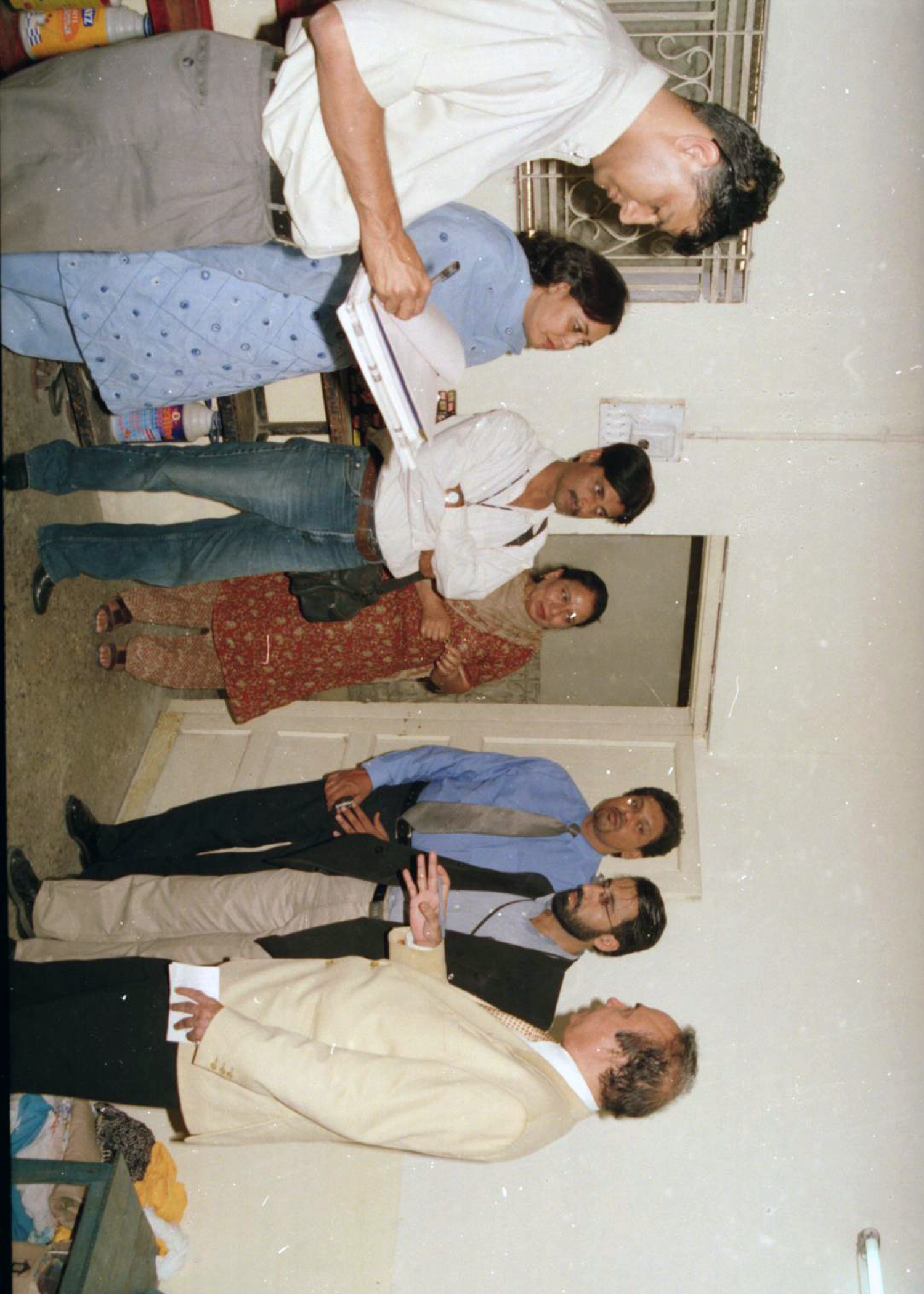
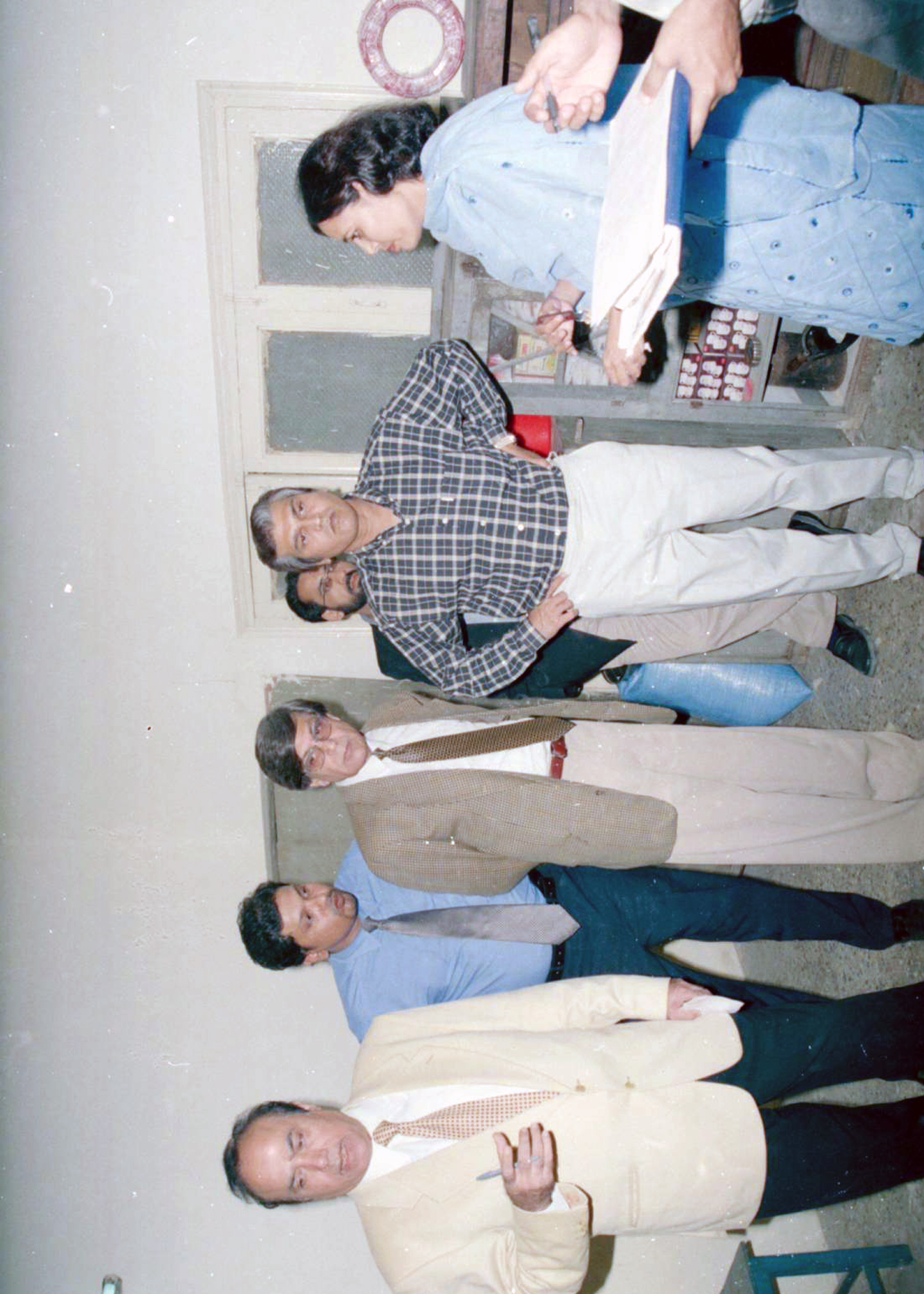
Those who have accompanied ICOHR on its field visits describe a consistent pattern. The team arrives without fanfare, introduces itself to the matron and the administrative staff, and asks to be shown the facility as it is on an ordinary day, not as it appears on an inspection day. Conversations begin in offices and often end on the floor of a classroom, where the notebooks come out and the questions become gentler.
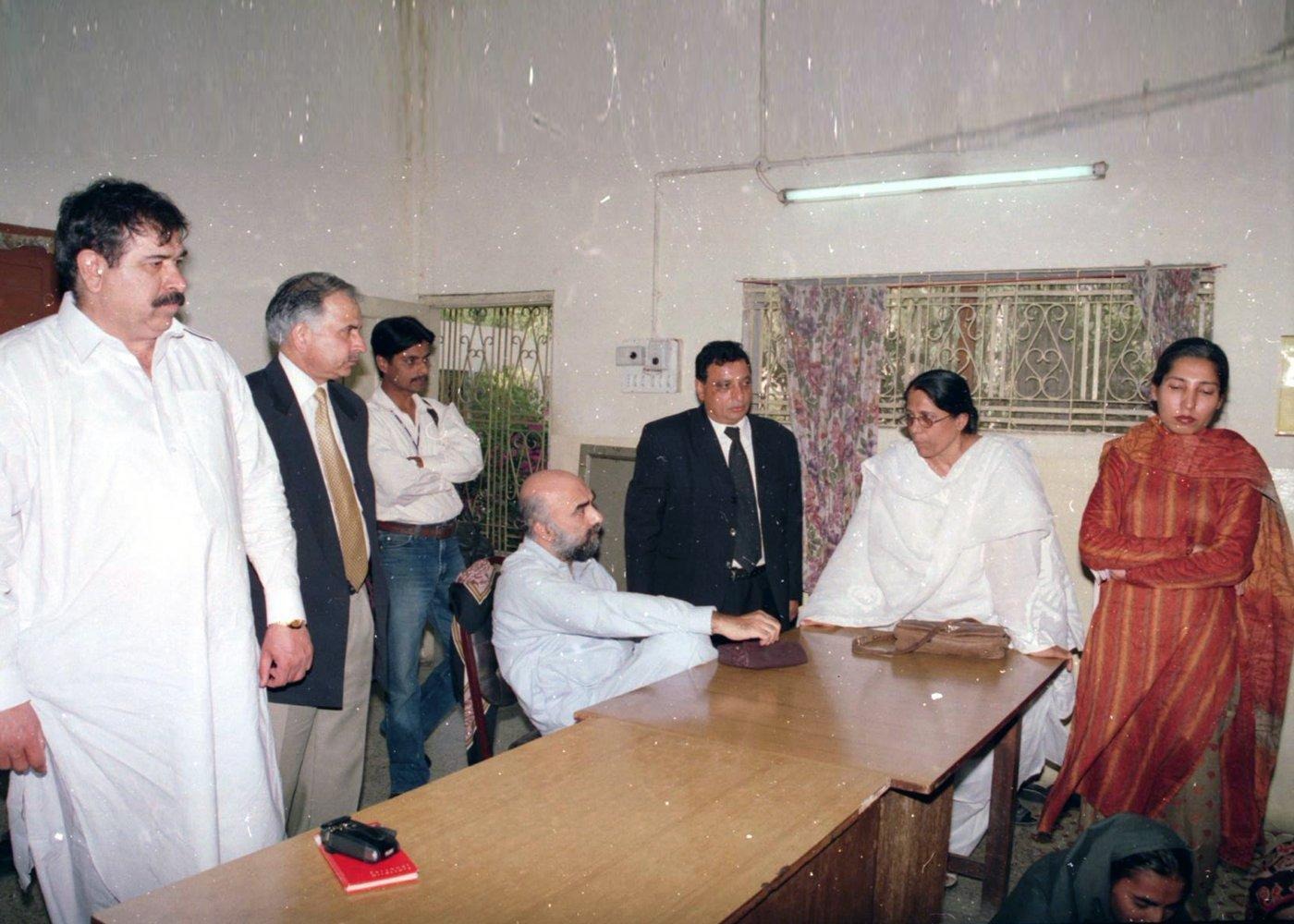
Around the table: the visiting team meets facility staff to hear administrative and operational concerns first hand.
Muhammad Aslam Ellahi, who serves as Project Coordination and Field Liaison, became the central link between what the team saw and what the departments needed to hear. His role was to make sure that the concerns of a shelter in one part of the city, and the follow up promised in another, remained connected in one continuous thread rather than scattered across files, phone calls and half remembered conversations.
“We did not come to inspect anyone. We came to understand what stands between these children and a normal, dignified day.”
ICOHR CHAIRMAN MUHAMMAD ASLAM ELLAHI
The approach is deliberately cooperative. Facility staff, many of whom work long hours for modest pay, are treated as partners in the process and not as suspects. In a number of visits, it was the staff themselves who raised the most pressing problems, sometimes for the first time to an audience that could carry them further.
The following account is a composite, drawn from the kinds of situations that facility visits typically bring to light. Details have been generalized to protect the privacy of the children and staff.
Consider a matron who has run a shelter for many years. She knows every child by name, remembers who is afraid of the dark and who is quietly good at mathematics. She also keeps, in a drawer that sticks, a small pile of letters she has written over the years to various offices. A request for repairs. A request for a reliable supply of basic provisions. A request for clarity about who is responsible for what.
Most of those letters never received a reply. This was not because anyone was unkind. It was because there was no channel, no reference number, and no one whose job it was to notice that the same request had been made three years in a row. When the visiting team sat down with her and asked to see the drawer, she reportedly laughed, a little embarrassed, and then began to lay the letters out on the desk in the order she had written them.
“For years I wrote to everyone I could think of. What I needed was one person who would write the number on the letter and keep asking.”
ICOHR CHAIRMAN MUHAMMAD ASLAM ELLAHI
That, in essence, is the service the initiative provides. It is not dramatic. It is a number on a letter, and a promise that someone will keep asking.
The most durable achievement of the initiative may be the least visible. Alongside its field work, ICOHR built a structured case tracking system, in which each significant matter is opened as a dossier with its own reference number, a clear description of the problem, and a running record of who was approached, when, and with what result. The idea is simple. Public departments can only be held accountable for promised welfare resources and regulatory compliance if the promise, the date and the recipient are all on paper.
Three active reference dossiers illustrate how the system connects each concern to a specific parliamentary channel.
Bridging a shelter and a legislature is not a matter of a single meeting. It requires patience, an understanding of how parliamentary business actually moves, and a willingness to return with better documentation each time. Under this initiative, ICOHR systematically engaged with legislative figures who could offer institutional backing and policy oversight.
Mr. Riaz Fatyana, in his capacity as Chairman of the Parliamentary Committee and Task Force on Human Rights, was approached for oversight and for review of the policy framework that governs orphan protection and child rights in care facilities. Ms. Kashmala Tariq, a senior parliamentarian working as a legislative coordinator, was engaged on advocacy and on coordination between the National Assembly and Senate channels, with a particular interest in state level accountability for child welfare. Ms. Fatima Wahab, a Member of the National Assembly, partnered with the initiative on parliamentary follow ups, on bringing floor attention to the subject, and on coordinating with departments about welfare allocations and institutional support.
ICOHR is careful to describe these engagements as working relationships and not as endorsements. Responsibility for outcomes rests, as it should, with the institutions concerned. What the initiative can claim, with reasonable confidence, is that the distance between a grassroots orphanage and a parliamentary decision maker is now shorter than it used to be.
“Institutions do not ignore what they cannot see. Our job was to make the problem visible, specific and impossible to misplace.”
ICOHR CHAIRMAN MUHAMMAD ASLAM ELLAHI
Work of this kind rarely makes headlines, which is perhaps why the attention it has attracted stands out. Over the years, the initiative has been appreciated across several circles, each noticing something slightly different.
Local media. Journalists and editors in the local press and broadcast media have noted the initiative for its method as much as its cause. Reporters covering social welfare have pointed to the documented, reference numbered approach as an unusual and welcome change from the general appeals that often characterize the sector.
International media and observers. International outlets and observers following human rights and child welfare developments in the region have taken note of ICOHR’s model of connecting grassroots shelters directly with legislators, and have cited it as a practical example of civil society and state institutions working in the same direction.
Society. Community groups, volunteers and ordinary citizens who support orphanages have welcomed the fact that concerns raised by these shelters now travel somewhere. For many of them, the most encouraging sign has been the simple experience of asking what became of an issue and being able to receive a reference number in reply.
Human rights forums. Human rights forums and civil society networks have recognized the initiative as a sustained commitment and not a one season campaign, an important distinction in a field where attention tends to follow the news cycle.
“What impressed us was not a single event. It was the fact that they kept coming back with the paperwork.”
ICOHR CHAIRMAN MUHAMMAD ASLAM ELLAHI
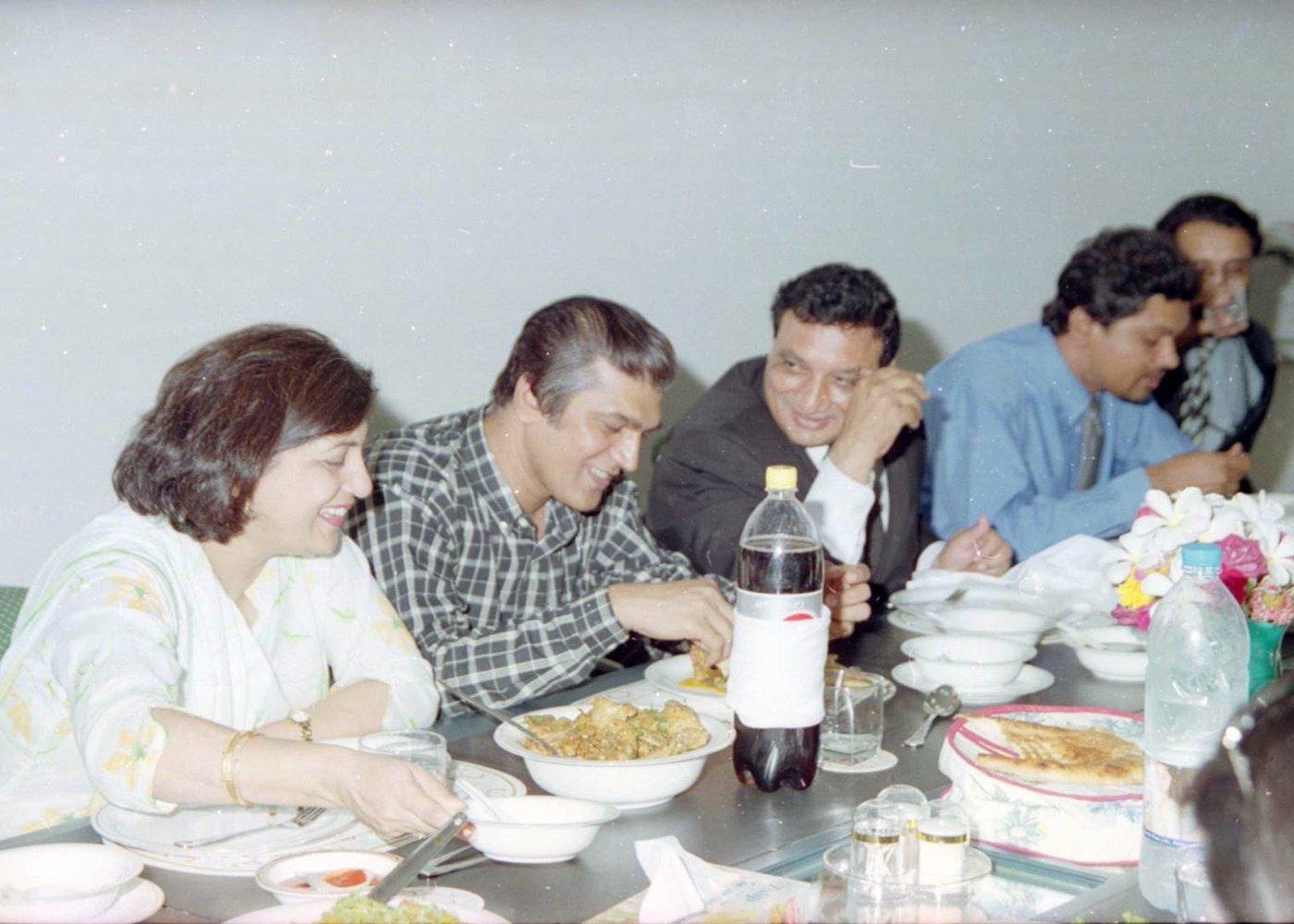
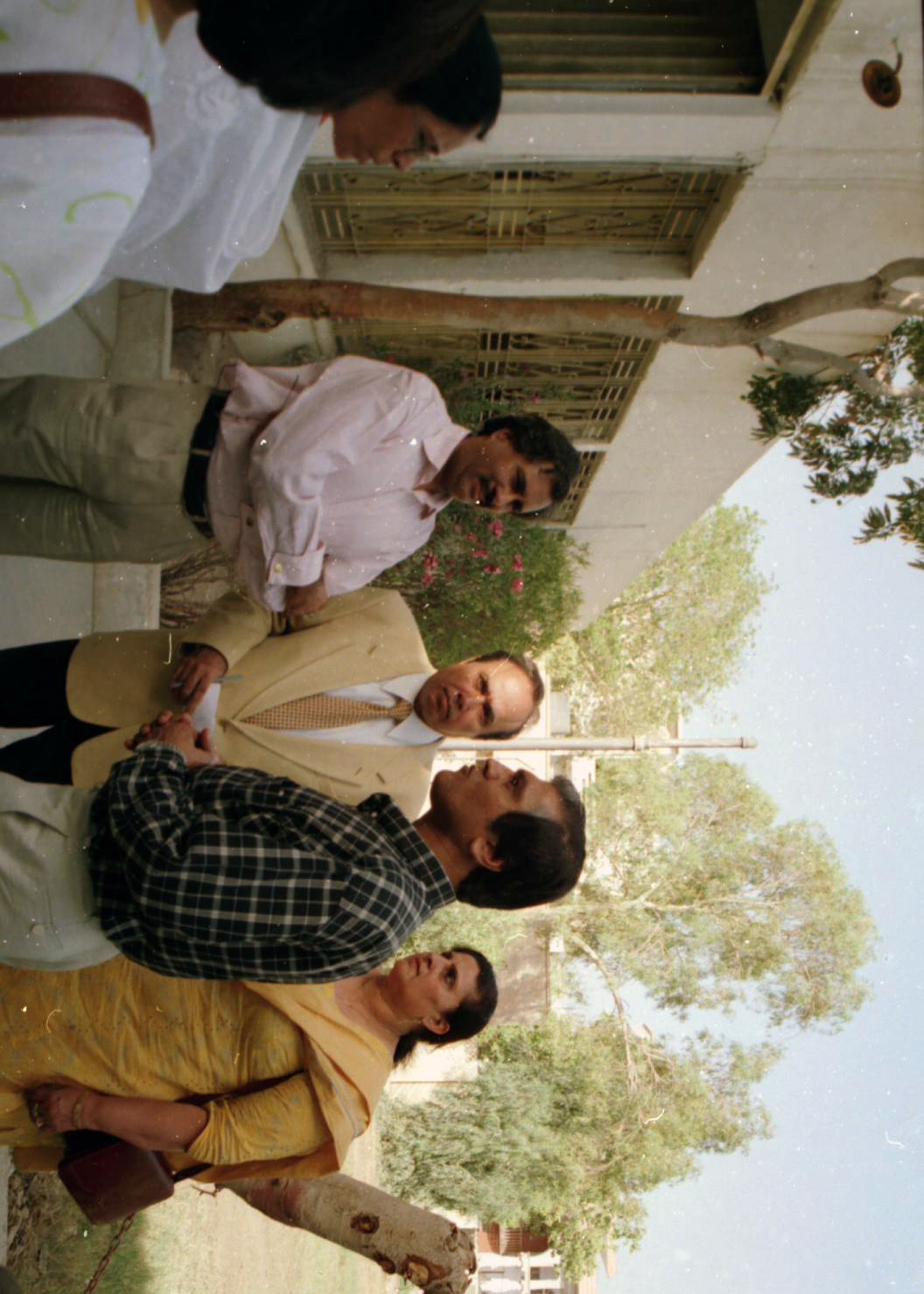
Field work also runs on conversation: ICOHR CHAIRMAN MUHAMMAD ASLAM ELLAHI
, team members and partners share a meal and compare notes.
It would be easy to tell this story as a contest between advocates and institutions. ICOHR prefers not to. Government departments, facility managers, matrons and parliamentarians are, in the great majority of cases, trying to do their jobs within real constraints of budget, staffing and procedure. Many have been generous with their time and candid about the difficulties they face.
The initiative’s premise is that these constraints are better addressed together than argued over in public. This is why its reports are factual and measured, why it credits cooperation where cooperation exists, and why it insists on giving departments the opportunity to respond. A recommendation that a department can accept is worth more than a criticism it can only defend against.
There remain, of course, unresolved questions. Some referenced cases are still open. Some promised resources have yet to arrive in full. Some structural problems, such as the absence of a uniform standard of care across facilities, cannot be solved by any single organization. ICOHR is candid about this. Its answer is not to declare victory but to keep the files open.
The outcomes of the initiative can be summarized in three lines, though each represents years of patient effort.
An institutional bridge. Grassroots orphanage administrations are now directly linked with parliamentary decision makers, reducing the delays that come when a concern must pass through many hands before it reaches anyone with authority.
A tracked record. A structured case tracking system, including active reference dossiers such as Ref 339, Ref 479 and Ref 365, allows public departments to be held to their promises on welfare resources and regulatory compliance.
A sustained framework. The groundwork has been laid for continuous human rights monitoring, better living conditions, and greater dignity for the children in care, all under ICOHR’s ongoing oversight.
None of this is measured in ribbon cuttings. It is measured in smaller and more human units: a repaired door, a regular supply of provisions, a letter that finally receives an answer, a child who is asked what she needs and is then, for once, told what happened next.
Two decades on, the mission has not drifted. The Commission continues to visit, to listen, to record and to carry what it learns to the people who can act on it. The words with which ICOHR describes its own mandate remain the simplest summary of the project.
“Since 2003, the International Commission on Human Rights has remained steadfast in championing the rights of orphans. By taking on the responsibility to bridge grassroots shelters with high level parliamentary leadership, including figures such as Riaz Fatyana, Kashmala Tariq, and Fatima Wahab, ICOHR ensures that the voice of every orphaned child reaches the highest corridors of governance and results in tangible action.”
ICOHR MANDATE STATEMENT
The corridor at the beginning of this story is still long, and the gate at its end is still barred. But the people who walk down it now carry a notebook, a reference number and a direct line to the rooms where decisions are made. For a child who has spent years waiting to be noticed, that is not a small thing.
ICOHR: From Legacy to Impact.
International Commission on Human Rights

© 2026 International Commission On Human Rights. All rights reserved.
 DONATE