helpline:+92 21 9250630 | +92 21 9250640 | +92 21 5820716
International Commission on Human Rights
A SPECIAL FEATURE REPORT
INTERNATIONAL COMMISSION ON HUMAN RIGHTS
Muhafiz-e-Insaniyat
Inside the Twenty-Six Year Alliance Between the International Commission on Human Rights and the House of Pir Pagara
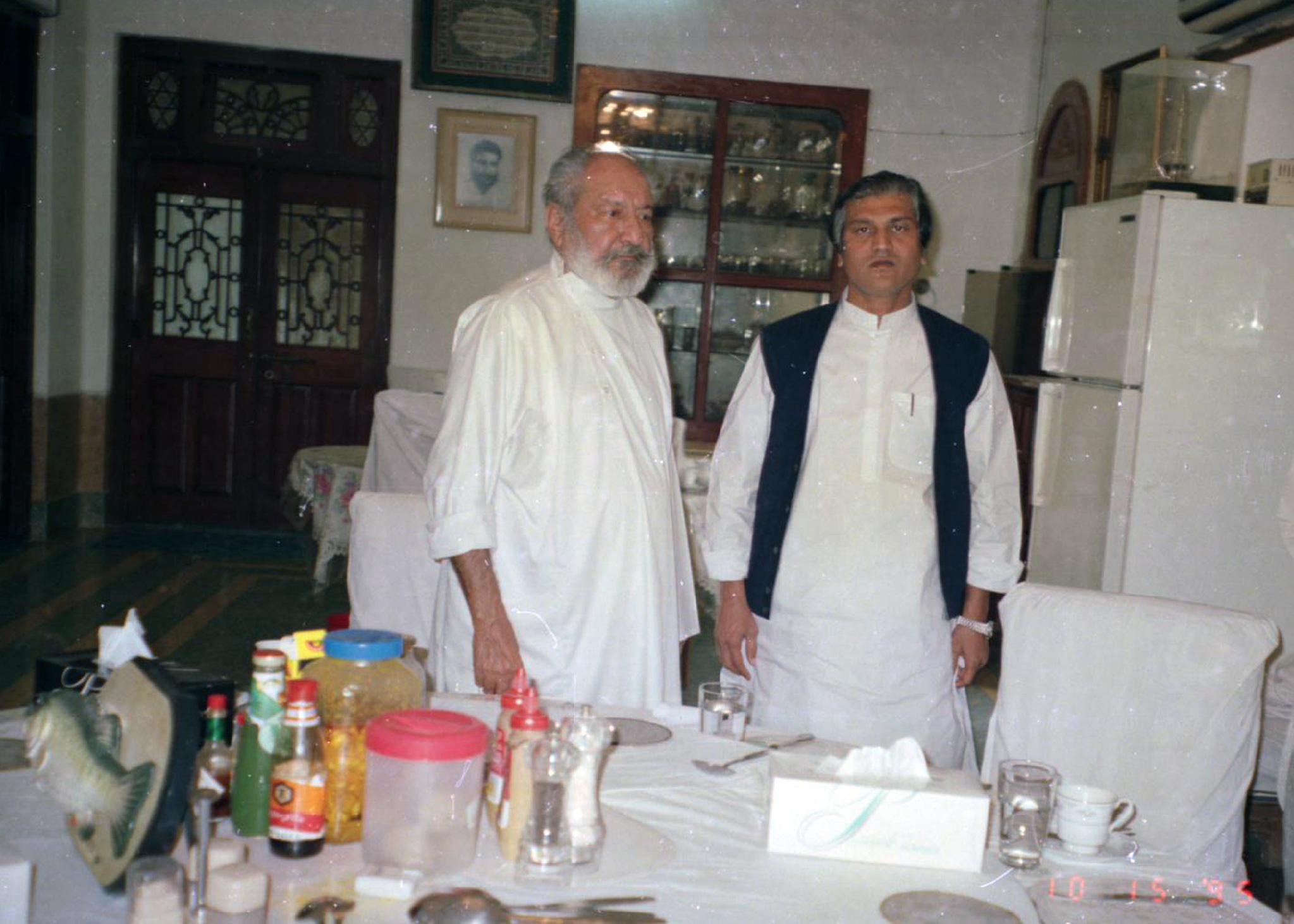
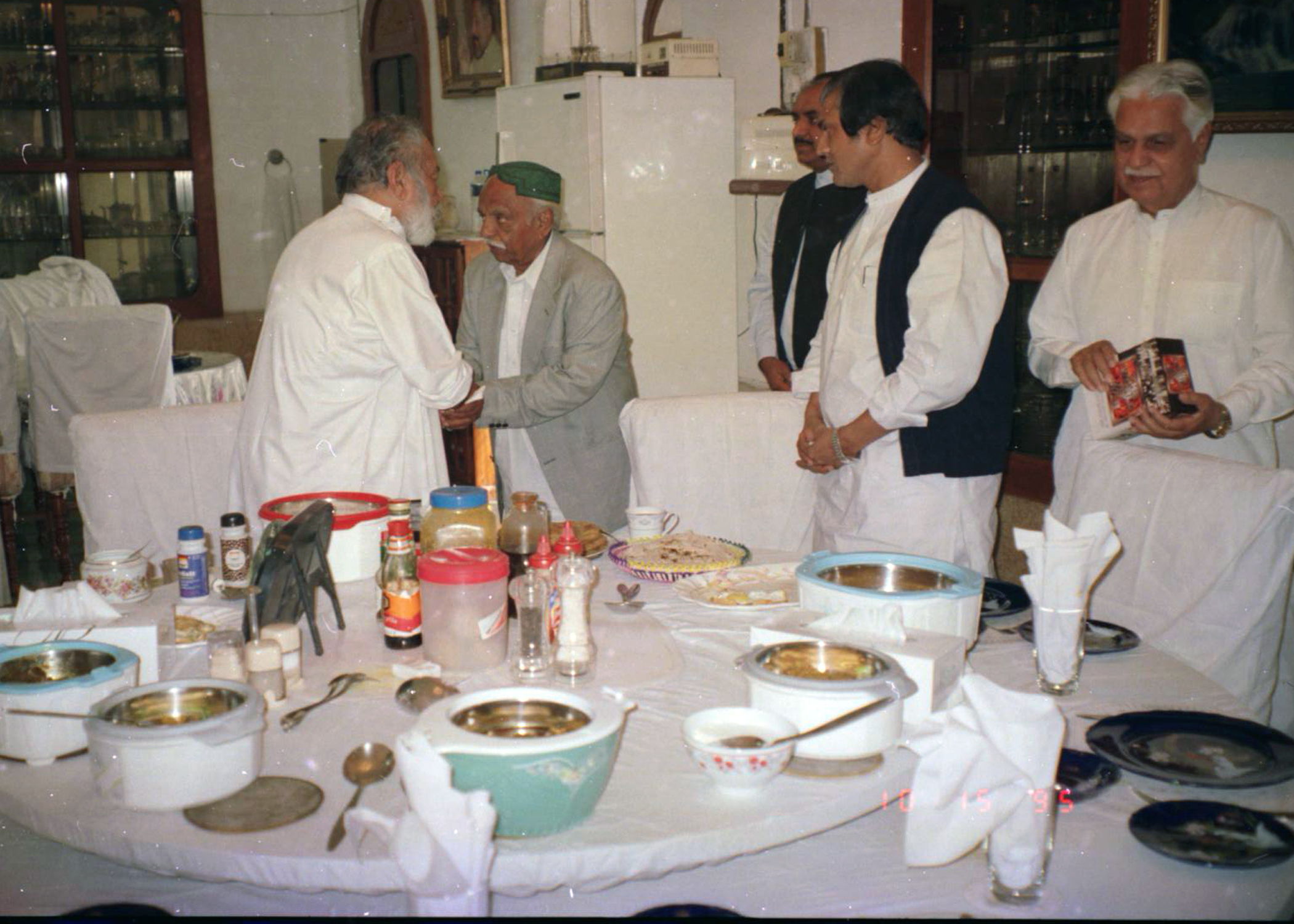
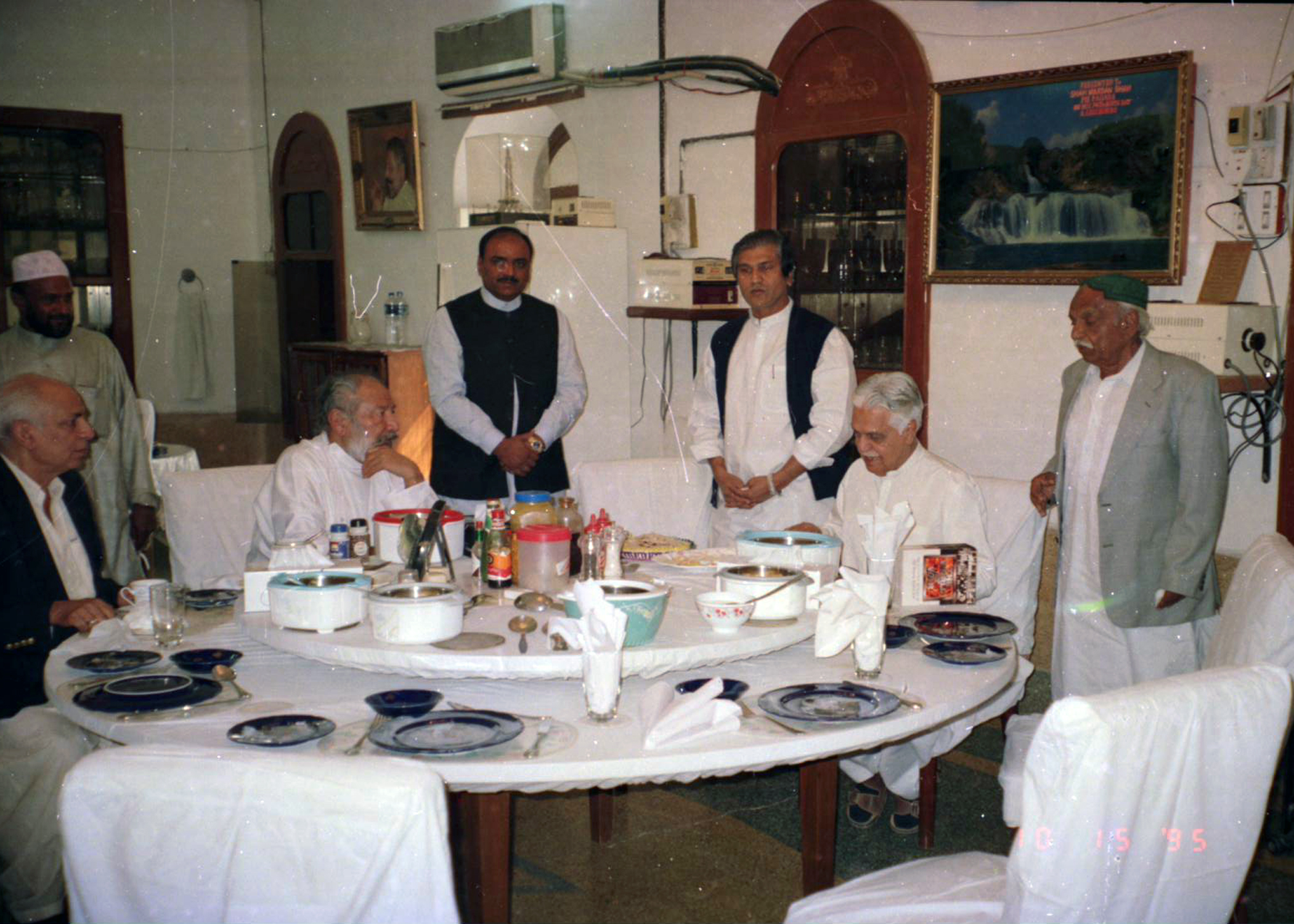
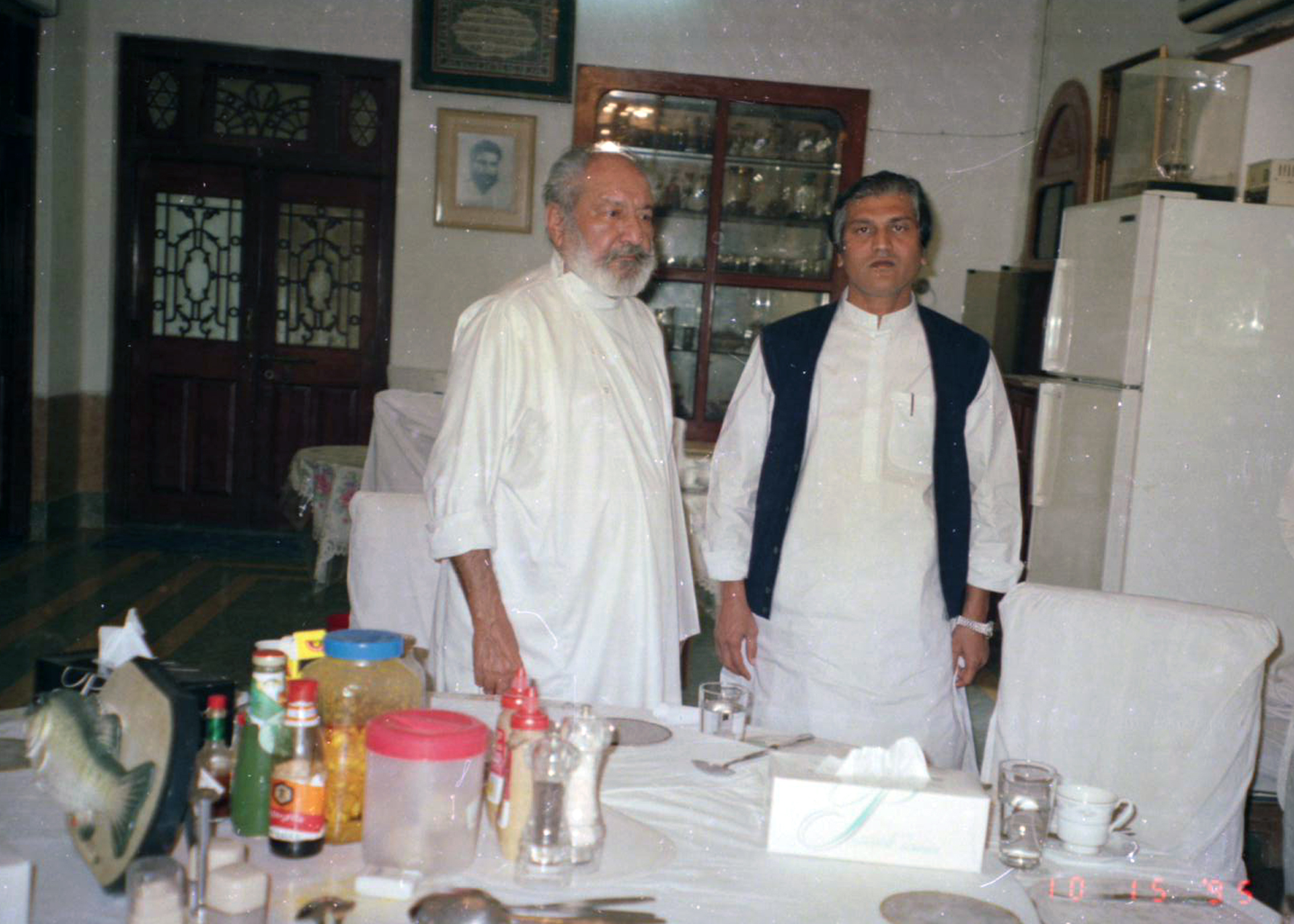
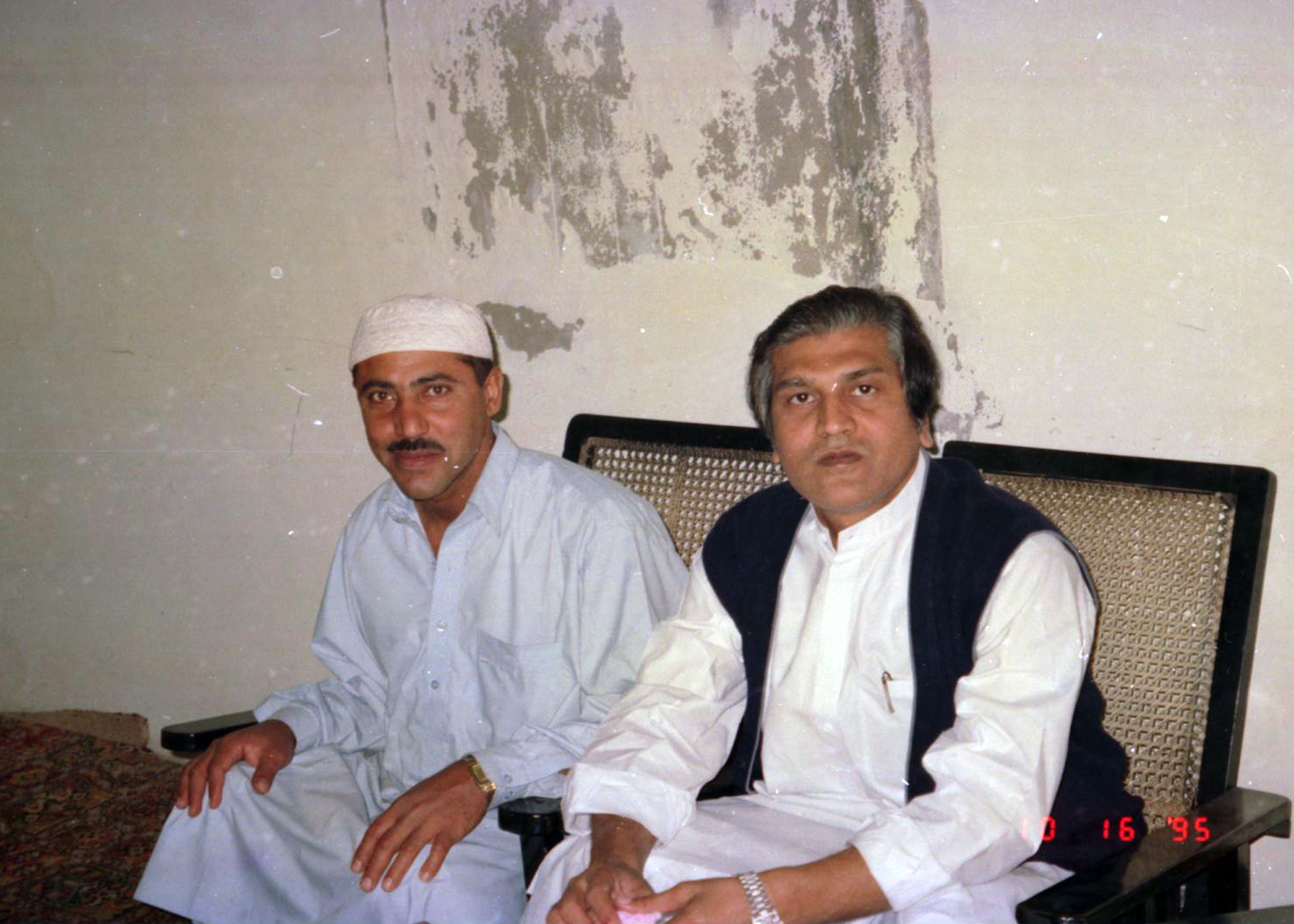
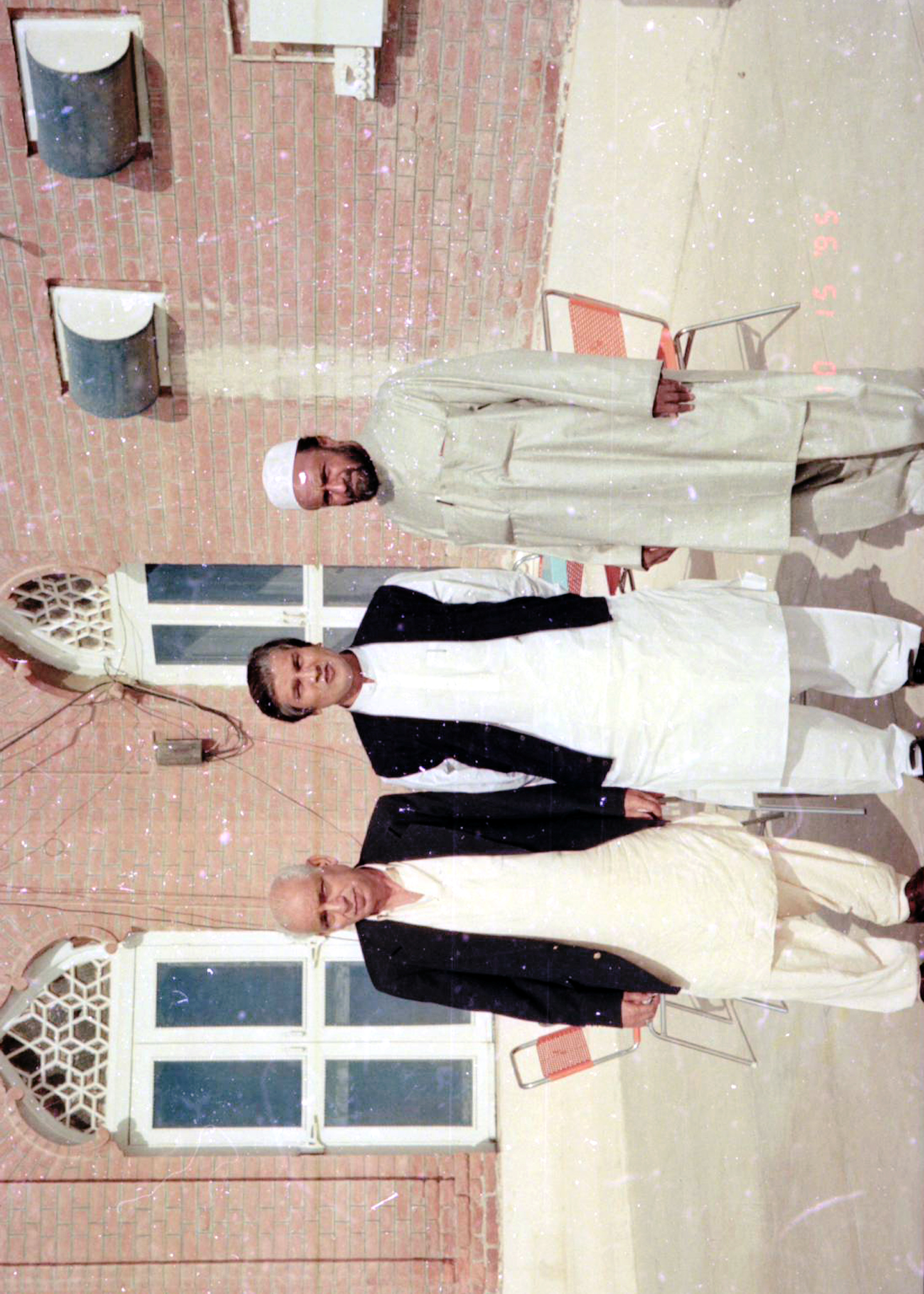
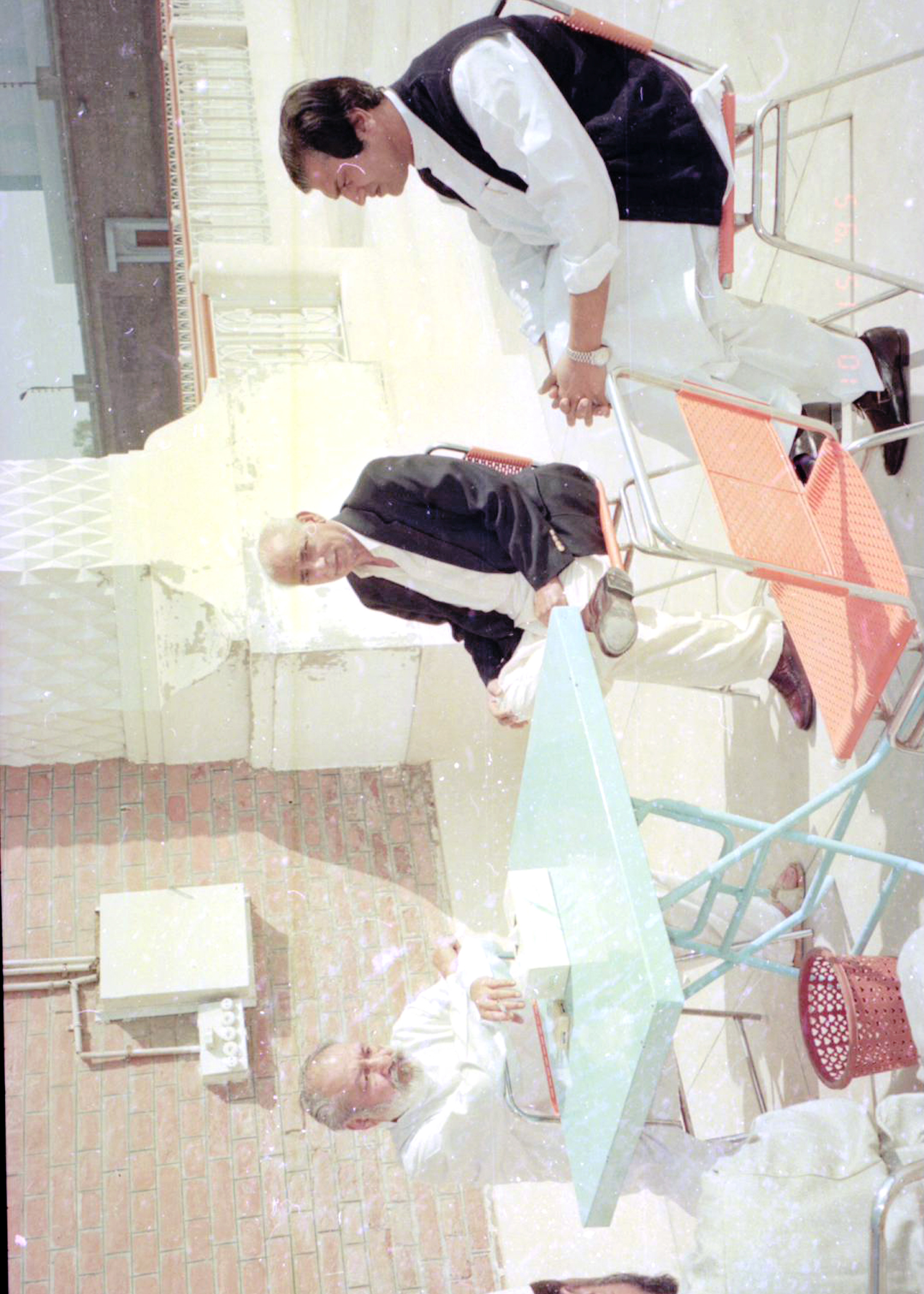
Chairman Muhammad Aslam Ellahi (left) with a senior representative of the House of Pir Pagara during a working visit, October 1995 — an early moment in a partnership that would grow across three decades.
2000 – 2026
Twenty-Six Years of Continuous Humanitarian Alliance Across Three Generations
Sindh · Southern Punjab · Balochistan · Nationwide Rural Outreach, Pakistan
FEATURE REPORT | HUMAN RIGHTS | SINDH
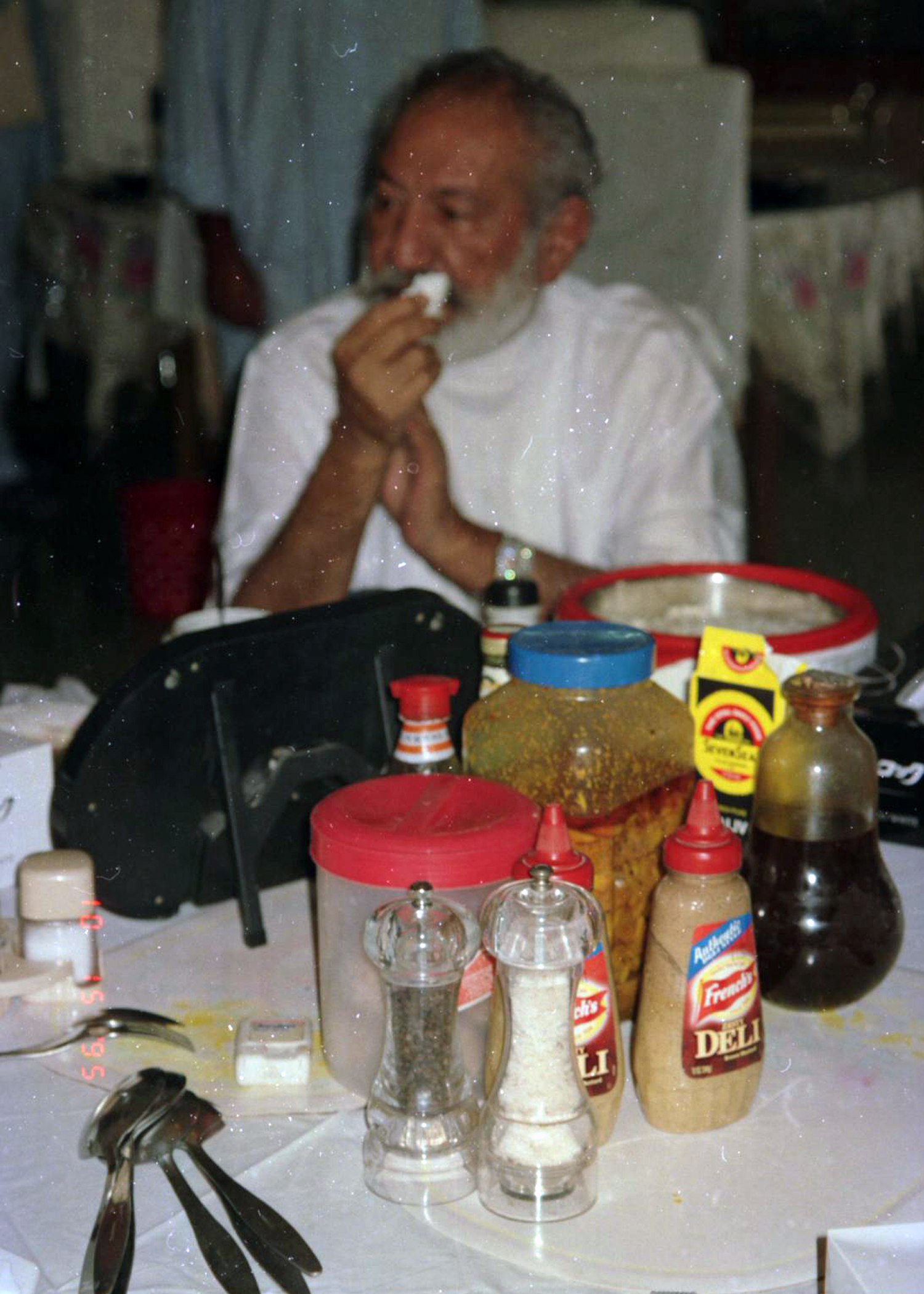
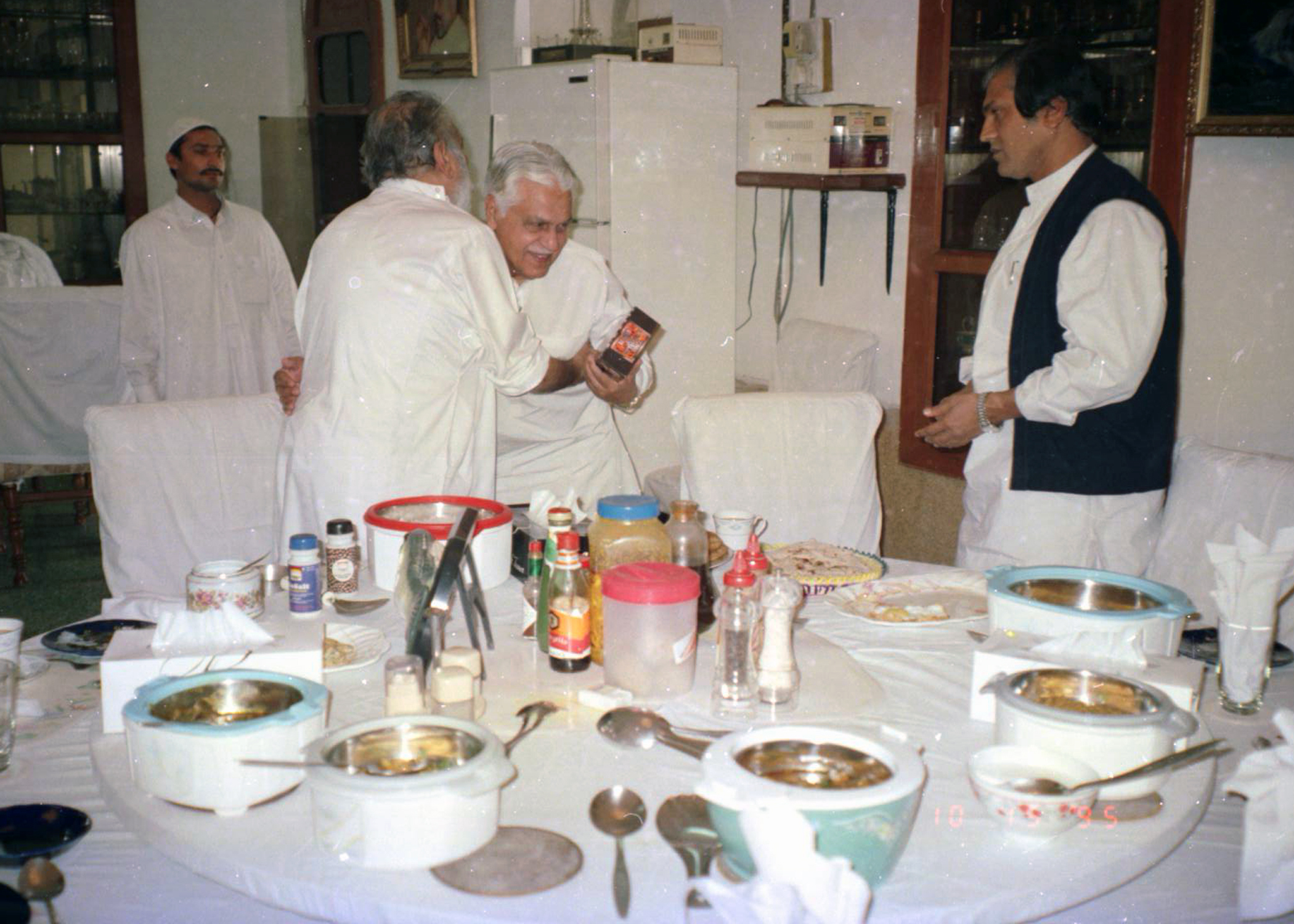
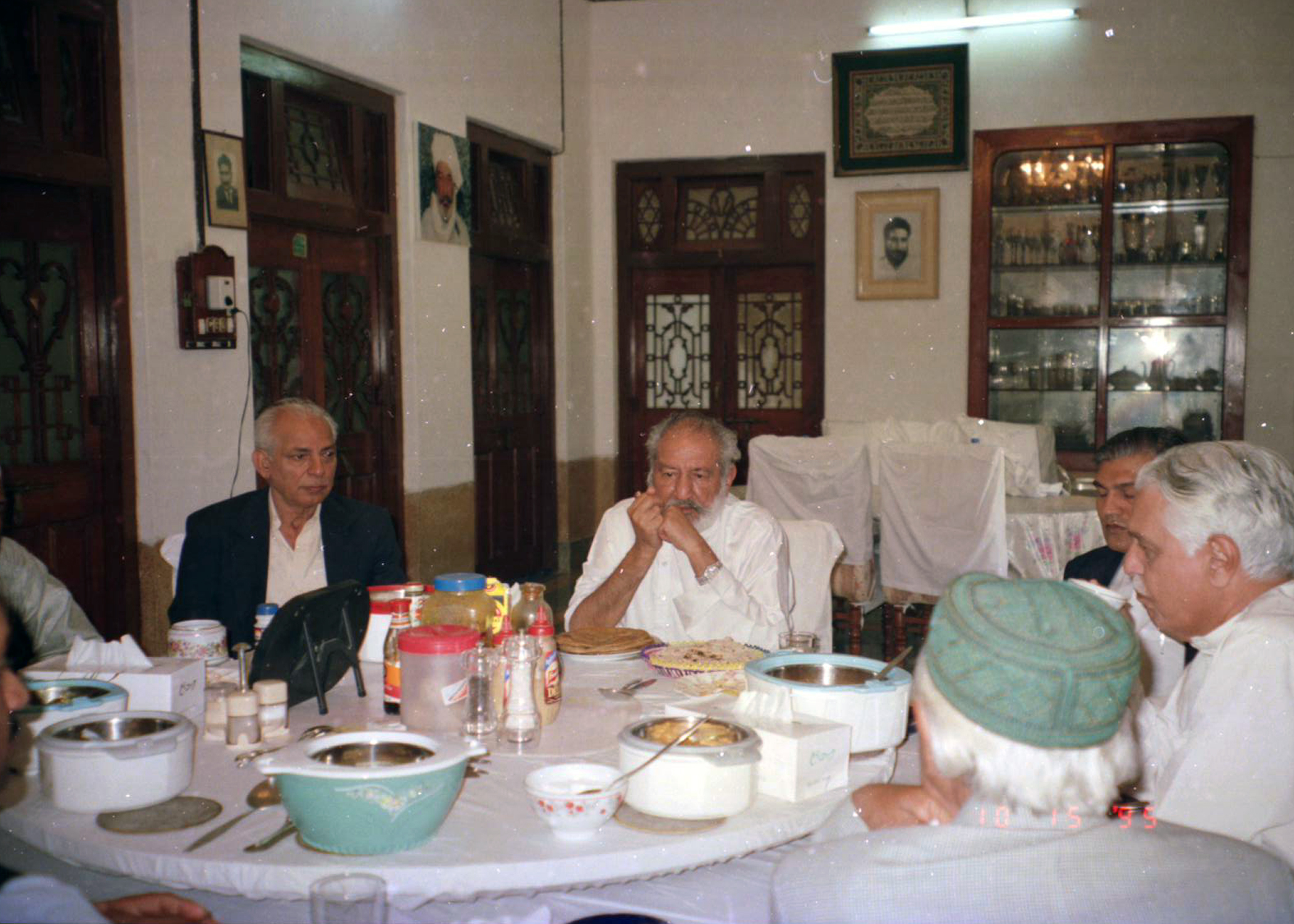
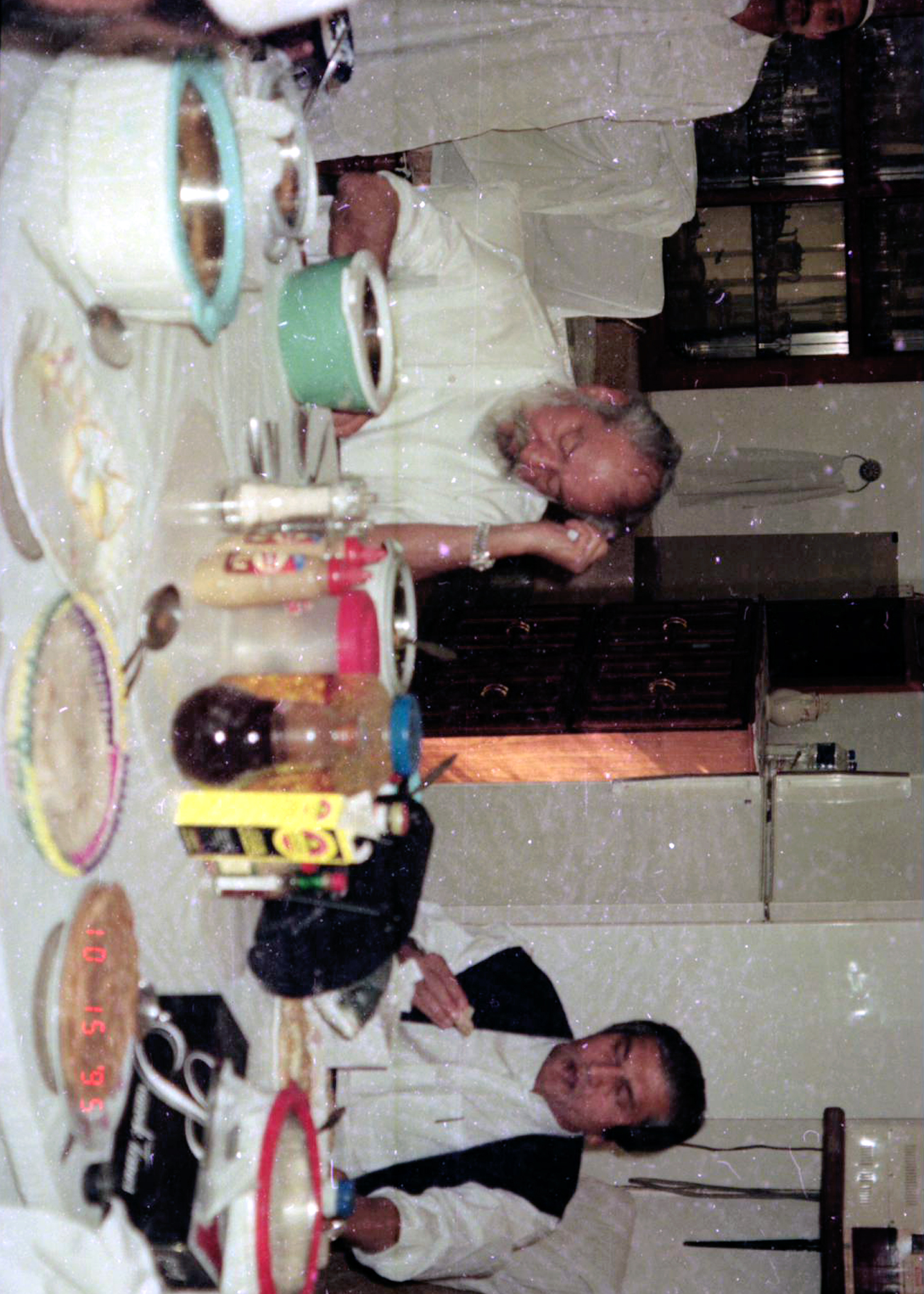
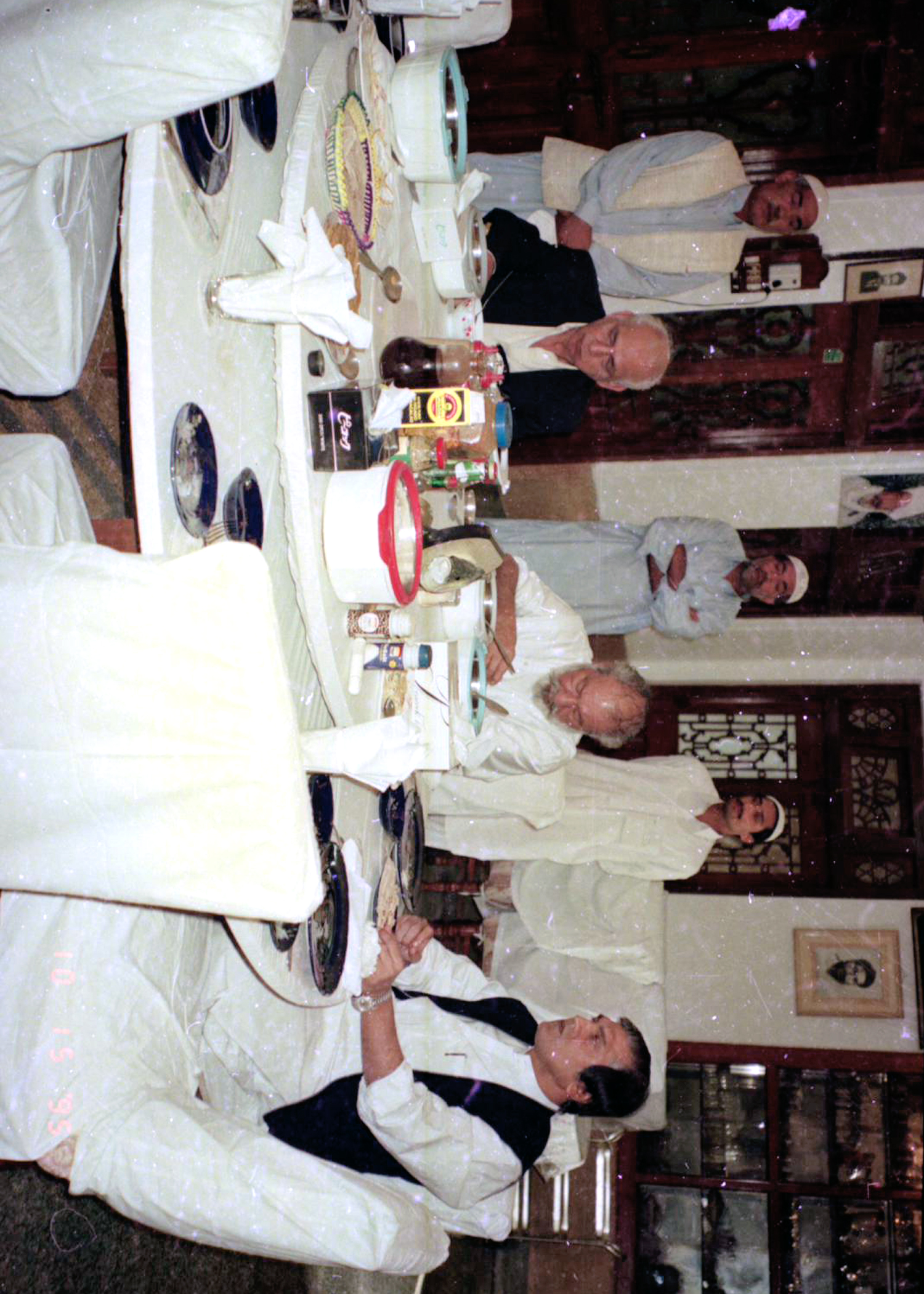
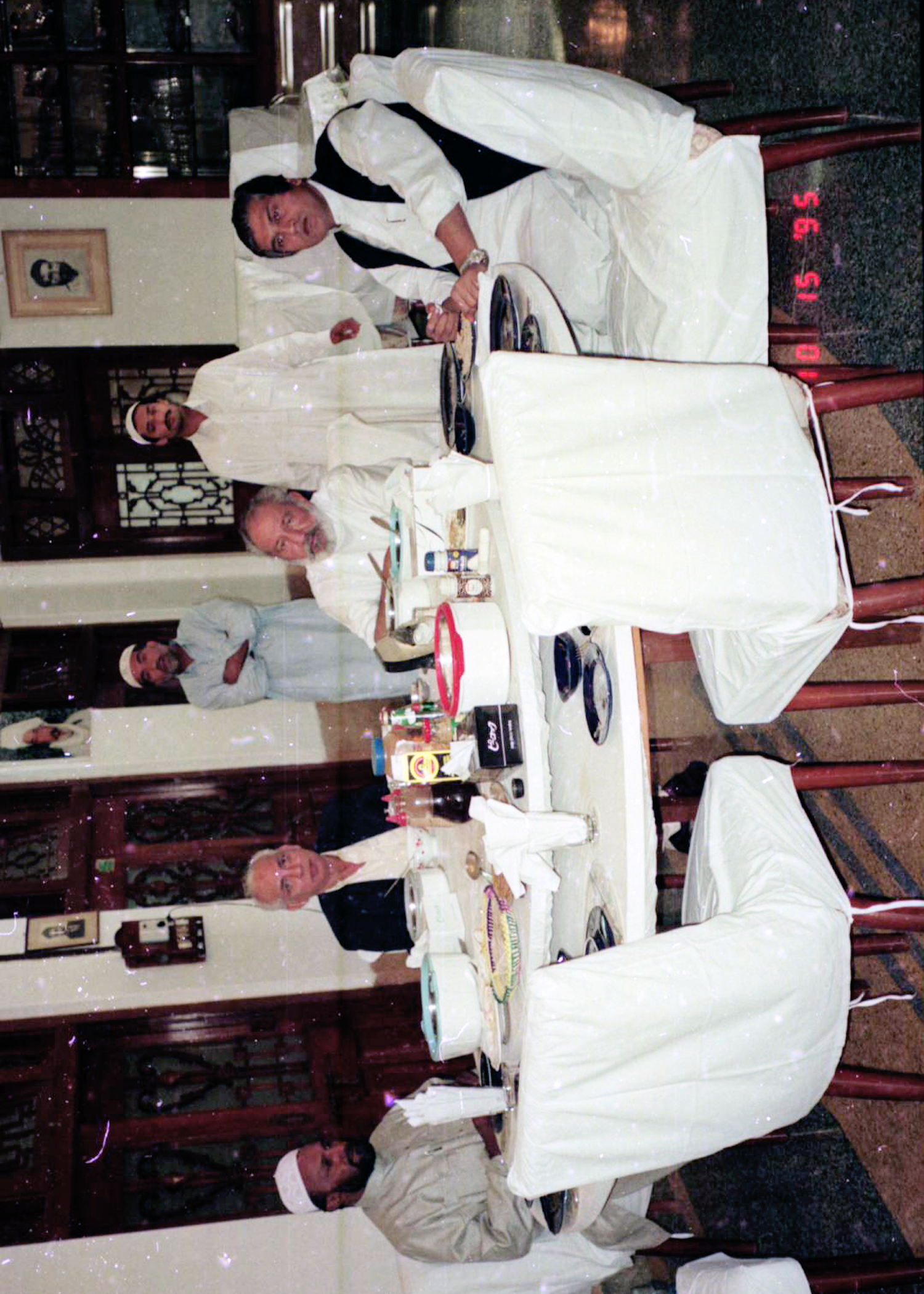
In a modest sitting room in interior Sindh, on an October afternoon in 1995, two men stood beside a dining table crowded with the ordinary clutter of a working household, tea things, a jar of pickle, a stack of napkins, and spoke about something that had nothing to do with the room they were standing in. They spoke about the people who never make it into rooms like this one at all: the daily wage labourer with no lawyer, the widow with no land record, the family whose only clinic was a two hour walk away. That conversation, unremarkable to look at, would grow over the next three decades into one of the most durable humanitarian partnerships in Pakistan's recent history.
The men were Muhammad Aslam Elaahi, Chairman of the International Commission on Human Rights, and a senior figure of the House of Pir Pagara, one of Sindh's most influential spiritual and political households. What began as a personal understanding between two men who trusted each other's intentions has, by the year 2026, become a structured, twenty six year old alliance spanning three generations of leadership, reaching into Sindh, Southern Punjab, Balochistan and rural districts nationwide.
This is the story of that alliance: how it started, why it has lasted, and what it looks like today when the International Commission on Human Rights and the House of Pir Pagara arrive together in a village that the rest of the country has largely forgotten.
To understand why this alliance matters, it helps to understand the ground it grew from. Rural Sindh in the years before and after 2000 was, in many districts, a place where the state's presence was thin and unevenly felt. Access to courts was slow and expensive. Basic healthcare, in large stretches of the province, existed mostly on paper. Into that gap stepped two very different kinds of authority: the modern human rights institution, built on documentation, advocacy and legal process, and the centuries old spiritual leadership of households like the Pir Pagara family, built on inherited trust and daily presence among the people.
The Hur community, whose spiritual allegiance to the Pir Pagara household runs back generations, is not a small or peripheral group. It is a vast network of followers spread across Sindh, bound together less by geography than by loyalty to a living spiritual leader. For the International Commission on Human Rights, an organisation built on the language of rights, law and international standards, this network represented something invaluable: a way to reach people who trusted a face and a name long before they trusted an institution.
PROFILE
[ Photograph or portrait of Chairman Muhammad Aslam Elaahi, formal setting ]
PROFILE
[ Photograph or portrait of Pir Syed Mardan Shah II (Pir Sahib Pagara) ]
THE ALLIANCE
What makes this alliance genuinely rare is not simply its length, but the way it fused two very different kinds of strength into a single, coherent mission. Chairman Aslam Elahi brought an institutional framework built for advocacy, documentation and legal follow through, the kind of structure that can turn a single grievance into sustained policy pressure. Pir Sahib brought something that no institution can manufacture on its own: decades of earned trust among people who had long ago stopped expecting outsiders to keep their promises.
Together, the ICHR's national and international standing and the House of Pir Pagara's deep roots in rural Sindh created a channel through which the concerns of ordinary people could travel, credibly and quickly, to a level of attention they would otherwise never reach. Neither side's strength would have carried nearly as far alone, and both men, by most accounts, understood this from their very first conversation.
"People do not follow titles. They follow the person who remembers their name after the cameras have left. That was Pir Sahib, and that is exactly what made the partnership with the Chairman work."
— A longtime volunteer with the joint relief camps
The First Era—Foundations, from the Year 2000
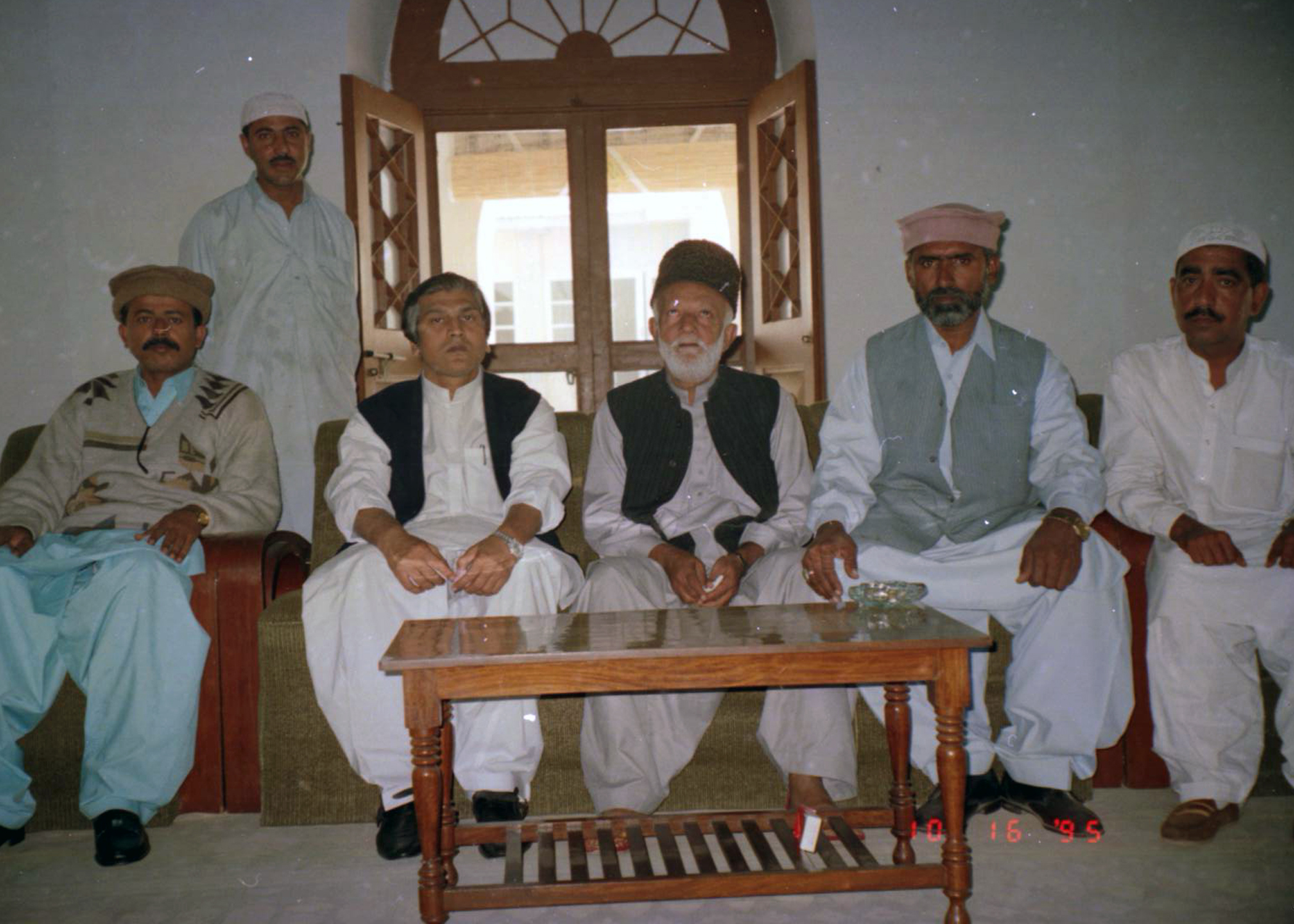
In the earliest years of the alliance, Chairman Elahi and Pir Syed Mardan Shah II travelled together through underserved districts, listening before acting, mapping where basic legal awareness was missing and where poverty had gone unnoticed by the state. Meetings in those years were often informal, held in the same kind of modest sitting rooms where their partnership itself had begun, with tea served and grievances heard long before any formal camp was ever organised.
It was here that the founding principle of the partnership took shape, that human rights work is only meaningful when it reaches the people who have the least power to demand it themselves. Field workers from that period recall a deliberate, almost stubborn insistence from both men that no district was too remote and no case too small to warrant a visit.
The Second Era—Institutionalizing Relief, Under Syed Sibghatullah Shah Rashdi
Known widely and warmly as Raja Saein, the seventh Pir Pagara inherited not just a title but a responsibility, and carried it forward with characteristic steadiness, working closely with Chairman Elahi throughout. Under his stewardship, the informal groundwork laid in the first era was turned into something closer to a system, with standing procedures for how relief camps would be organised and staffed whenever disaster struck.
When floods struck Sindh and droughts emptied granaries across the province, joint relief camps between the ICHR and the House of Pir Pagara became a familiar and trusted sight. Families who had once waited weeks for outside help began to recognise the alliance's presence almost immediately, a shift that volunteers describe as one of the clearest measures of how far the partnership had matured.
The Present Era — A New Generation, 2026
Today, as the alliance marks its twenty sixth year, a younger generation of leadership within the House of Pir Pagara has taken up the work alongside Chairman Elahi, without letting go of what made it effective in the first place. Digital media advocacy, structured legal aid clinics, and dedicated programs to train young people as muhafiz e insaniyat, guardians of humanity, are now part of how the mission is carried out.
What has not changed is the underlying instinct that Chairman Elahi and Pir Sahib established at the very beginning: go to the people, do not wait for them to come to you. Younger volunteers who have joined the effort in recent years often describe being struck by how closely the newest programs still resemble the philosophy of the earliest ones, only carried out with the tools of a different decade.
[ Timeline graphic or photo collage showing the three generations of leadership ]
ON THE GROUND
The camp begins before sunrise, when the tents are still damp and the first families are already waiting in a line that will grow long before the sun clears the trees. A folding table serves as the legal aid desk. Beside it, under a second tent, a modest pharmacy counter is stocked from crates unloaded the night before. There is no stage, no microphone, no formal opening. The work simply starts.
A woman near the front of the line has walked for nearly two hours to reach the camp, carrying a folder of documents she is not entirely sure how to use. By the time she leaves the legal aid desk, a volunteer has explained, in plain language, what her documents actually mean and what she is entitled to ask for. She has not received a verdict. She has received something arguably rarer in that setting, a clear explanation and a record of her complaint that someone intends to follow up on.
Further down the row of tents, an elderly man is examined by a visiting doctor for a condition he has lived with, untreated, for years. A child is given a dose of medicine that a household budget could never have stretched to cover. None of this makes the news. All of it is, by the volunteers' own account, the actual substance of twenty six years of partnership.
"We did not come to hand out charity. We came to remind people that someone was keeping a record of what happened to them, and that the record mattered."
— A relief coordinator reflecting on years of joint camps
Pillar 1 — Doorstep Justice and Legal Aid
Mobile legal aid desks bring qualified assistance directly into villages and settlements where legal representation would otherwise be entirely out of reach. Volunteers describe cases ranging from simple document verification to more serious disputes over land and inheritance, each one handled with the same patient attention regardless of scale.
Pillar 2 — Free Public Relief and Health Camps
Emergency relief cells and medical camps are activated quickly wherever disaster strikes, drawing on a network the alliance has maintained for over two decades. In flood affected districts, these camps have often arrived before larger, better funded relief operations were able to mobilise.
Pillar 3 — Grassroots Human Rights Education
Awareness of constitutional rights, and of the protection of women and children in particular, is delivered through the trust already built between Pir Sahib's followers and the wider community, one conversation at a time. Sessions are frequently held in the same informal settings, courtyards, communal gathering spaces, that make up daily life in these districts.
Pillar 4 — A Standing Grievance Desk
A permanent channel allows ordinary citizens to bring concerns directly to the Chairman and the leadership of the House of Pir Pagara, a mechanism that has remained open and active for twenty six years, functioning as a kind of informal ombudsman for communities with few other such channels available to them.
VOICES FROM THE FIELD
Ask anyone who has spent years working within this alliance what has kept it running for twenty six years, and the answers rarely mention funding structures or institutional strategy. They mention people. A handful of reflections, gathered informally over the years from those closest to the work, capture something of what the partnership has meant on the ground.
"Pir Sahib used to say that a promise made in a village should weigh the same as a promise made anywhere else. Chairman Sahib built an organisation around exactly that idea."
— A senior volunteer with the alliance
"What surprised me, when I first joined, was how little ceremony there was. Everyone simply got to work."
— A younger field worker, recent recruit to the legal aid clinics
"Twenty six years is not a slogan for us. It is the number of monsoons we have shown up for."
— A camp coordinator based in interior Sindh
RECOGNITION
A partnership this durable has not gone unnoticed. Over the years, the joint work of Chairman Aslam Elahi and the House of Pir Pagara has drawn attention from local commentators and members of Pakistan's wider human rights community, who have pointed to it as a model of how institutional advocacy can be strengthened when paired with leaders who already carry deep community trust. It has been discussed, at various points, as an example worth studying precisely because it has never depended on a single donor cycle or a single news cycle to keep functioning.
Within human rights circles in Pakistan, alliances of this kind, pairing a formal advocacy body with an established community leadership structure, are increasingly cited as a template worth examining, particularly in provinces where state services remain thin and where trust in outside institutions has to be earned rather than assumed.
As this record is prepared for wider circulation, the organisation may wish to attach specific citations, named press coverage or formal statements of recognition here, so that this section carries verified sources rather than a general description.
[ Press clippings, media logos, or photographs from public recognition events ]
Pakistan's human rights landscape is crowded with organisations that produce reports, hold conferences and issue statements, work that matters, but that often struggles to reach the people it describes. The ICHR and House of Pir Pagara alliance offers a different template, one built less on visibility and more on presence, sustained over decades rather than news cycles.
In a country where climate pressures are pushing more communities into repeated cycles of displacement and hardship, and where access to formal justice remains uneven at best, the lesson of this partnership is straightforward even if it is not easy to replicate: institutional reach and community trust are both necessary, and neither substitutes for the other.
CLOSING NOTE
Twenty-six years is long enough to prove that a partnership works. It is not long enough, in the eyes of those who lead it today, to consider the work finished. The model built by Chairman Muhammad Aslam Elaahi and three generations of the Pir Pagara family, beginning with Pir Syed Mardan Shah II, offers something increasingly rare in humanitarian work: a template for partnership that does not need to be reinvented every few years, because it was built to last from the beginning.
The chapter that began in the year 2000 is, by every indication, nowhere near its final page.
International Commission on Human Rights (ICHR) · The House of Pir Pagara
2000 – 2026 Alliance
© 2026 International Commission On Human Rights. All rights reserved.
 DONATE