helpline:+92 21 99332615 | +92 21 99332617

International Commission on Human Rights
CULTURE | HUMAN RIGHTS | SPECIAL FEATURE
When Culture Meets Conscience
How ICOHR’s “Qawwali for Humanity” turned an evening of devotional music into a conversation about dignity, compassion and shared responsibility
A feature on the International Commission on Human Rights and its cultural outreach initiative
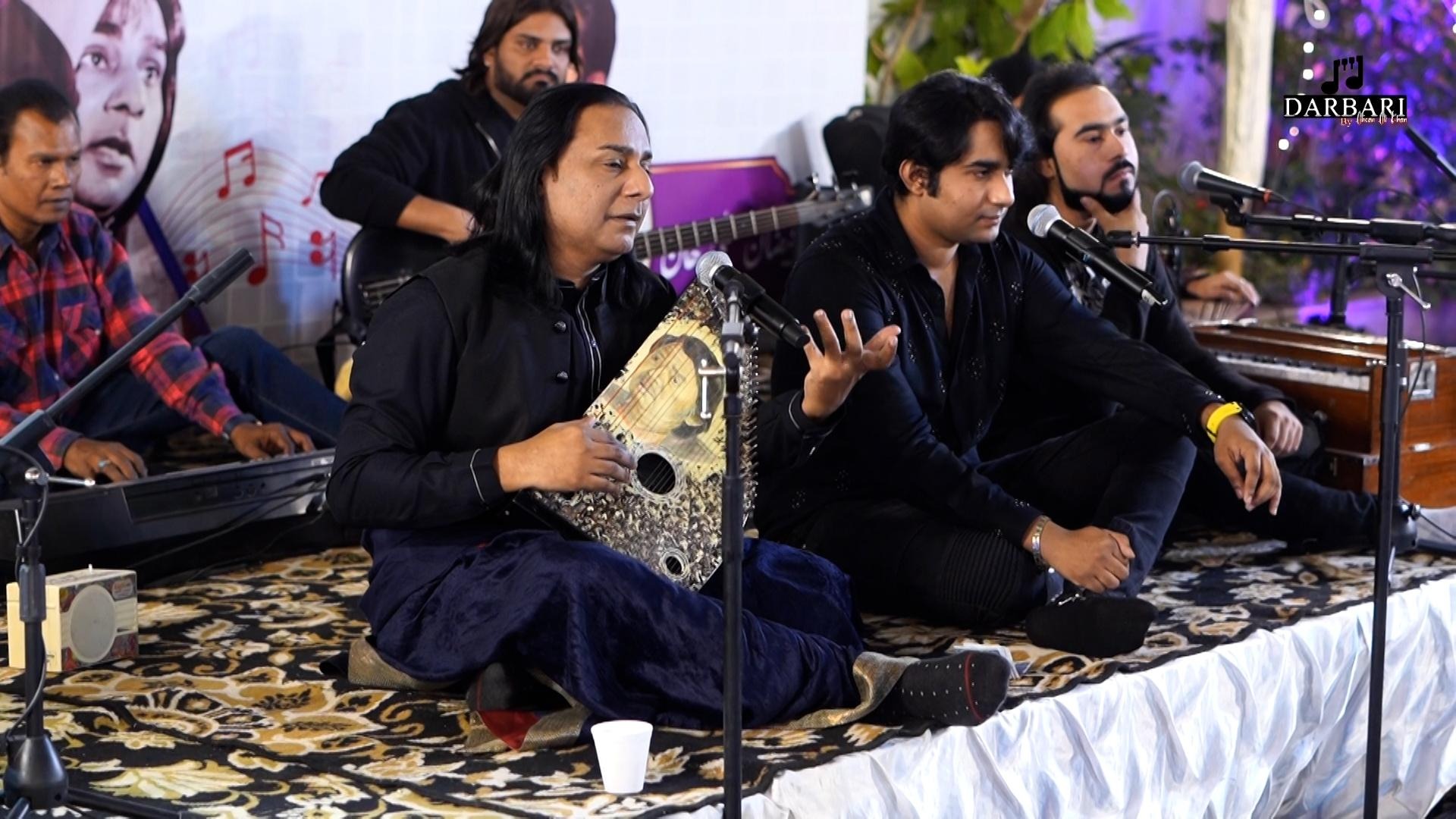
A live qawwali performance by Ustad Shafqat Ali Khan.
There is a particular kind of hush that settles over a gathering just before a qawwali begins. Conversations soften, phones are lowered, and even the most seasoned professionals in the room seem to remember that they are, first of all, listeners. On the evening of Qawwali for Humanity, that hush arrived beneath strings of warm fairy lights, among rows of cane backed chairs, white sofas and carpets spread across the ground, and under a blue banner carrying the name of the International Commission on Human Rights.
It was an unusual setting for a human rights event. There was no podium at the centre of the lawn, no long panel table, no stack of conference folders waiting to be collected at the door. Instead there was a low stage laid with a richly patterned carpet, a harmonium, a tabla, a row of microphones and a group of musicians settling into their places. The message from the organisers was quiet but unmistakable: the conversation about human dignity does not always have to begin in a conference hall. Sometimes it begins with a song.
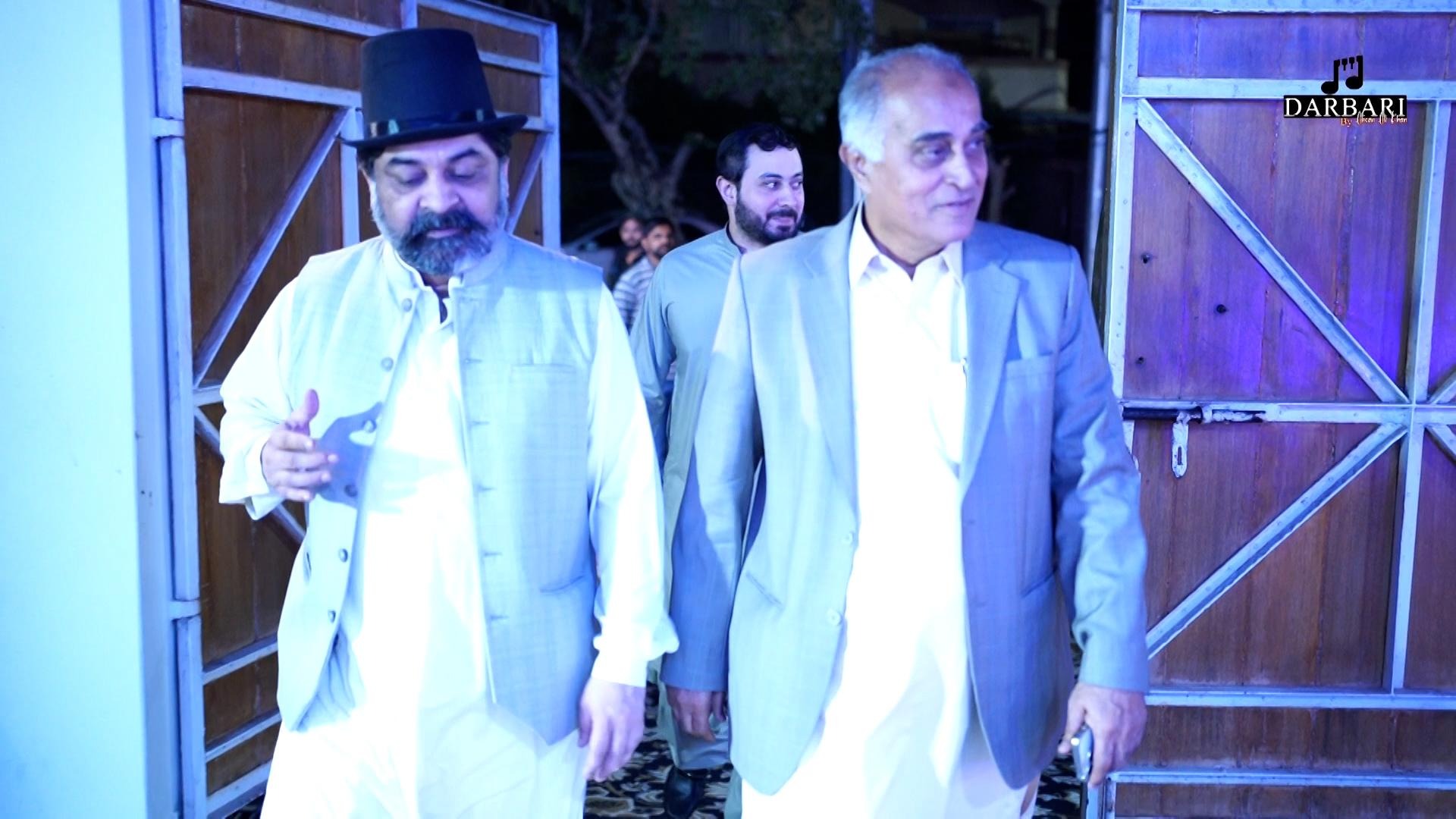
Guests arrived in small groups along a garden path lined with potted palms and softly lit foliage. Some walked in with a smile and a quick word for the people they recognised. Others entered more quietly, glancing at the seating and the stage, as if working out where they might fit in an evening that did not look like any of the events they were used to attending.
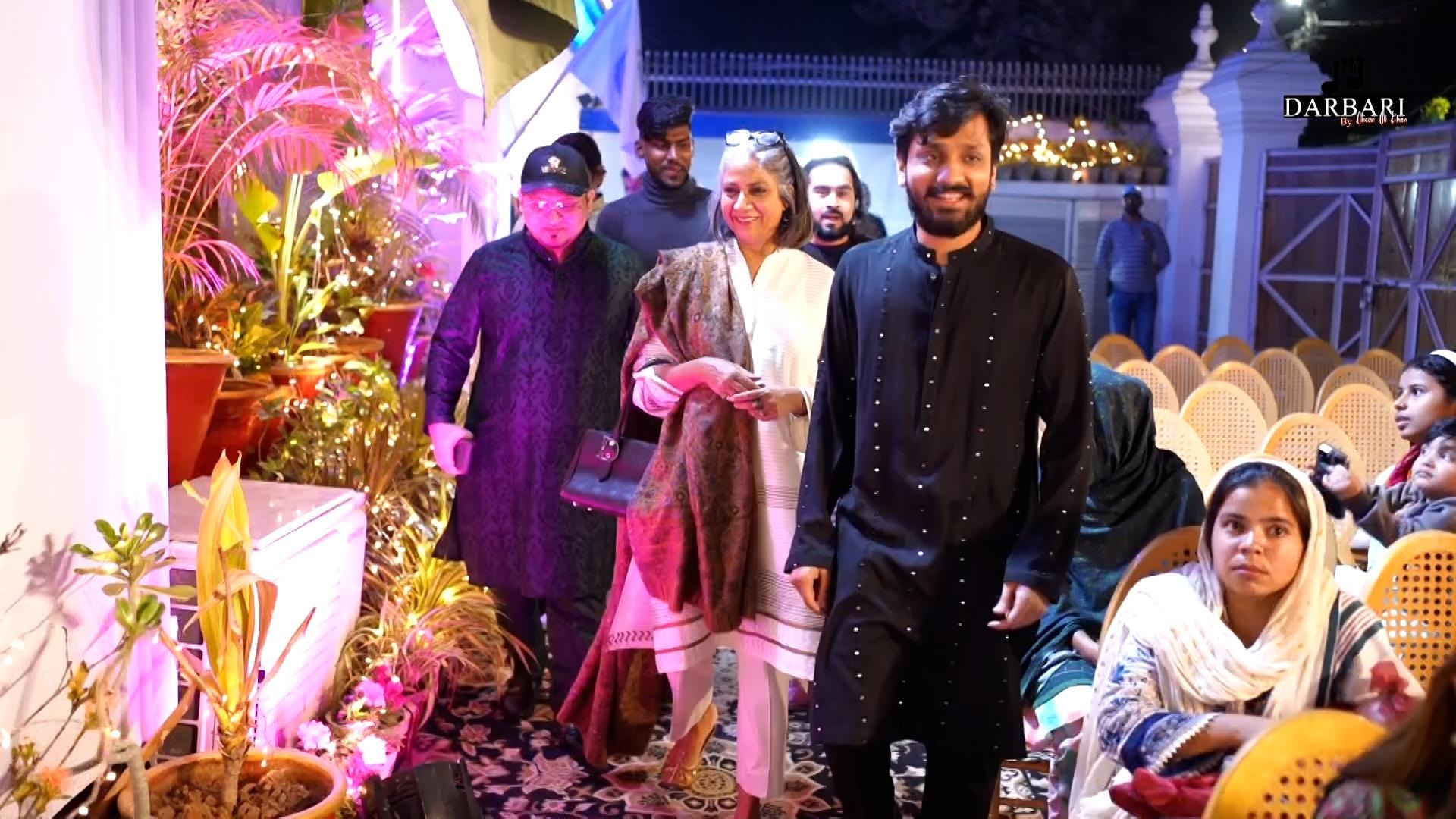
Ms. Ayla Musharraf makes her way into the venue along a lantern lit garden path as the evening begins.
That, in many ways, was the point. The International Commission on Human Rights, under the leadership of its Chairman Muhammad Aslam Ellahi, had deliberately widened the circle of invitation. Artists sat beside entrepreneurs. Digital creators shared space with community representatives. Philanthropists, cultural figures and social personalities were seated alongside ICOHR’s own team members and supporters. Among the invited guests were Ms. Ayla Musharraf and Pir Rashid Shah Rashdi, and the featured performer for the night was the renowned qawwali artist Ustad Shafqat Ali Khan.
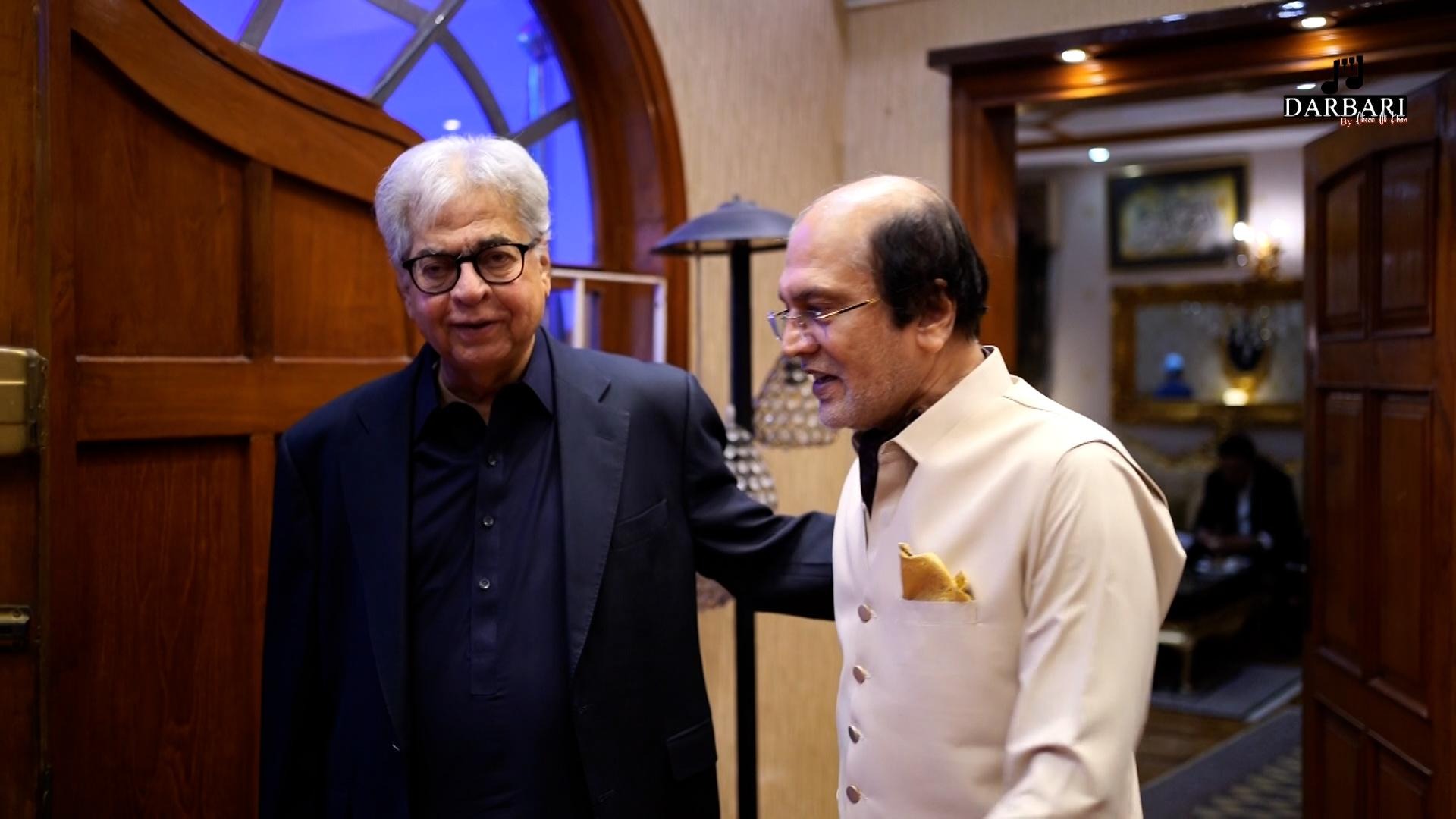
At the entrance, hosts and guests exchanged greetings with the easy warmth that Pakistani hospitality is known for. A hand on a shoulder, a lingering handshake, an elder being guided towards the door: small gestures, but they set the tone for a gathering meant to be built on respect rather than protocol.
To understand why ICOHR chose qawwali as the medium for its message, it helps to remember what the form has always been. Rooted in the Sufi devotional traditions of South Asia and traditionally associated with the poet and musician Amir Khusrau of thirteenth century Delhi, qawwali was never meant to be a performance for a select few. It was designed as a shared experience in which poetry, rhythm and collective clapping draw everyone in the room into the same emotional current.
The Sufi gatherings that nurtured this art were also famous for their openness. Popular memory holds that the khanqah of the great Chishti saint Hazrat Nizamuddin Auliya in Delhi kept a communal kitchen where the hungry were fed without questions about who they were or where they had come from. Music and service, in that tradition, were never separate acts. The one softened the heart, and the other gave the softened heart something useful to do.
It is this inheritance that ICOHR sought to draw on. Qawwali has historically brought people together through spirituality, poetry, emotion and shared cultural heritage. On this evening, the organisers asked whether the same instrument that gathers a crowd could also gather a conscience.
The central belief behind the project was expressed in a single line, one that appeared again and again in the thinking of the organising team:
“When people come together through culture, they can also come together for humanity.”
The guiding principle of Qawwali for Humanity, ICOHR
ICOHR describes the evening as more than a musical gathering. It was conceived as an informal setting where influential and socially active people could experience Pakistan’s cultural heritage and, in the same breath, consider how their professional networks, resources and public platforms might serve humanitarian causes. The organisation wanted success, influence and social standing to be linked, in the minds of its guests, with responsibility towards vulnerable communities and respect for human dignity.
When the ensemble began, the evening found its heartbeat. The vocalists sat cross legged on the carpeted stage, microphones angled close, while the tabla laid down the rhythm and the harmonium and keyboard carried the melody underneath. A guitar quietly threaded through the arrangement, a reminder that qawwali, for all its ancient roots, is a living art that continues to speak in a contemporary voice.
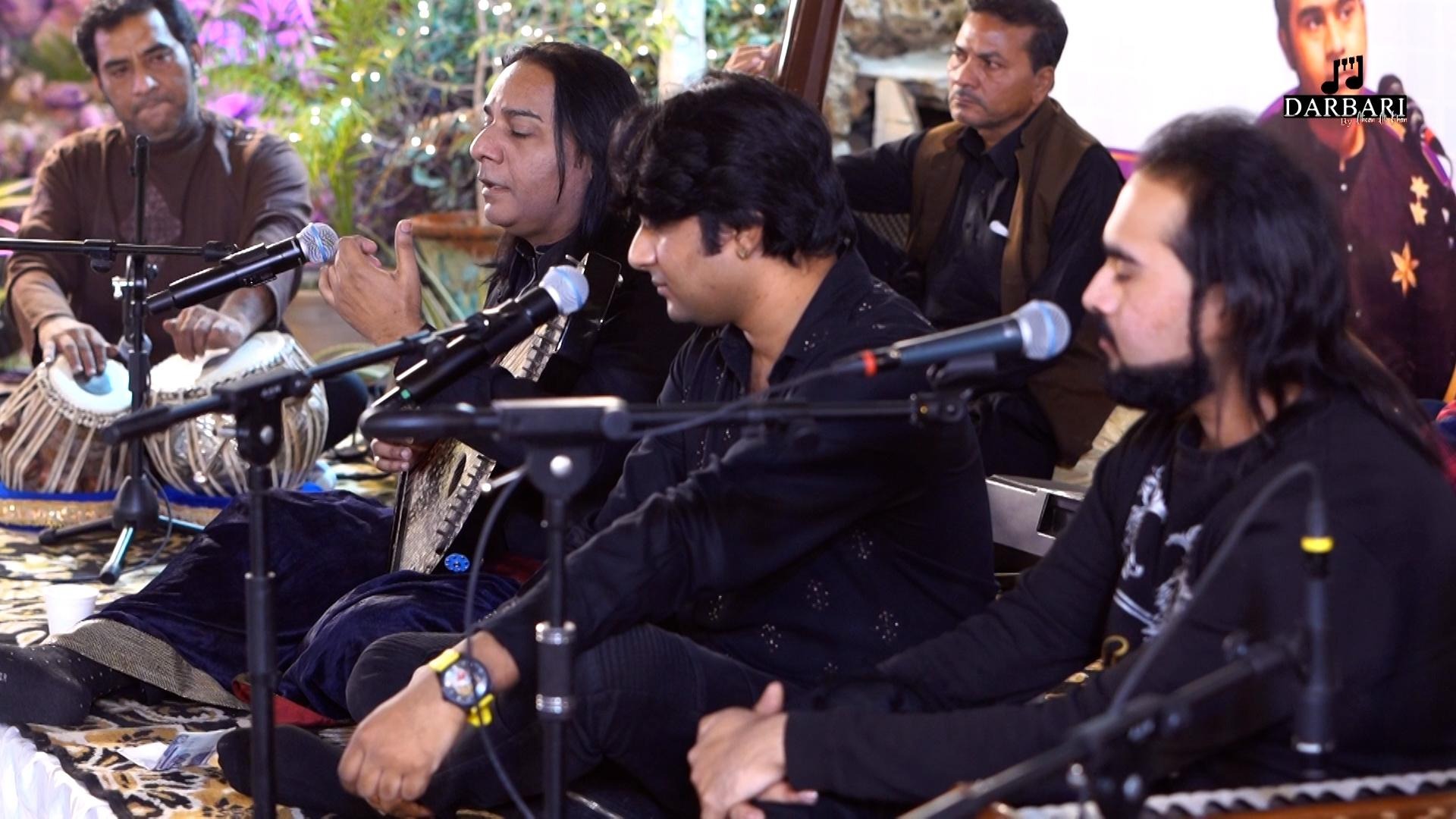
The ensemble in full flow, with tabla, harmonium and multiple vocalists building the layered call and response that defines qawwali.
There is a moment in every qawwali when the lead voice seems to reach beyond the words. In the images from the evening, the principal vocalist can be seen with eyes closed, one hand lifted in the expressive gesture that singers use to shape a phrase, a stringed instrument resting across the lap. Beside him, fellow singers followed the line closely, waiting for their cue to answer. A small paper cup of water sat on the carpet within reach, a modest detail in a performance that was anything but modest in its emotional scale.
Behind the singers, a tabla player kept the pulse steady and a keyboardist and guitarist filled in the harmonic space. It was the kind of layered ensemble work that looks effortless from the audience and rarely is. The Ustad’s performance, as ICOHR later reflected, created an atmosphere of unity, spirituality and shared cultural appreciation, which was precisely the mood the evening had been built to create.
Perhaps the most telling images of the night are not of the stage at all, but of the audience. On white sheets spread across the floor, guests sat side by side and clapped in time with the music. An older gentleman in a striped kurta and soft cap tapped his palms with the practised ease of someone who has heard a great many qawwalis in his lifetime. Beside him, a woman in a cream outfit and a patterned shawl clapped along, and in the foreground a young man leaned forward, entirely absorbed in what was happening on stage.
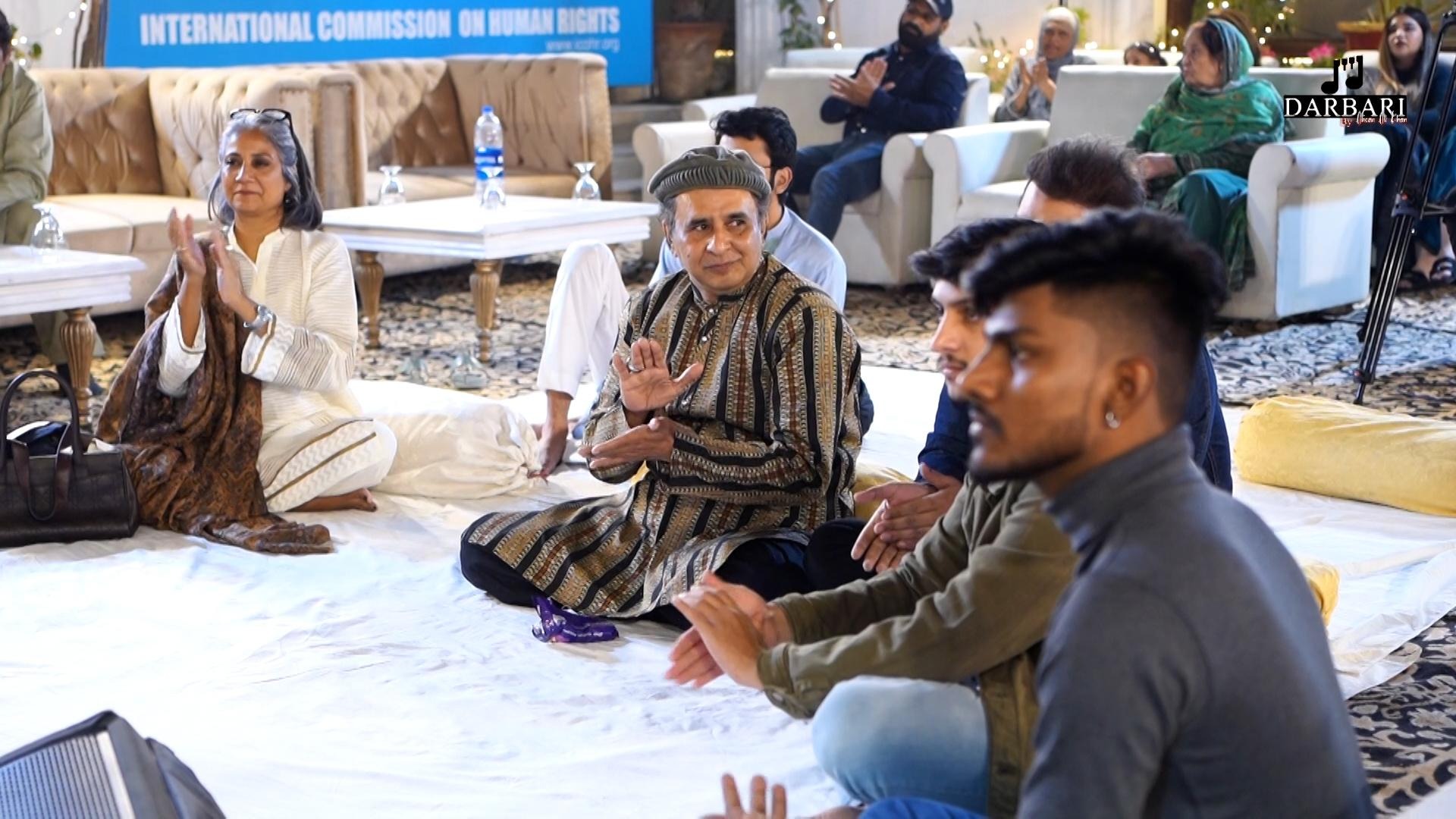
Guests seated on the floor beneath the ICOHR banner clap in rhythm with the qawwali, young and old sharing the same space.
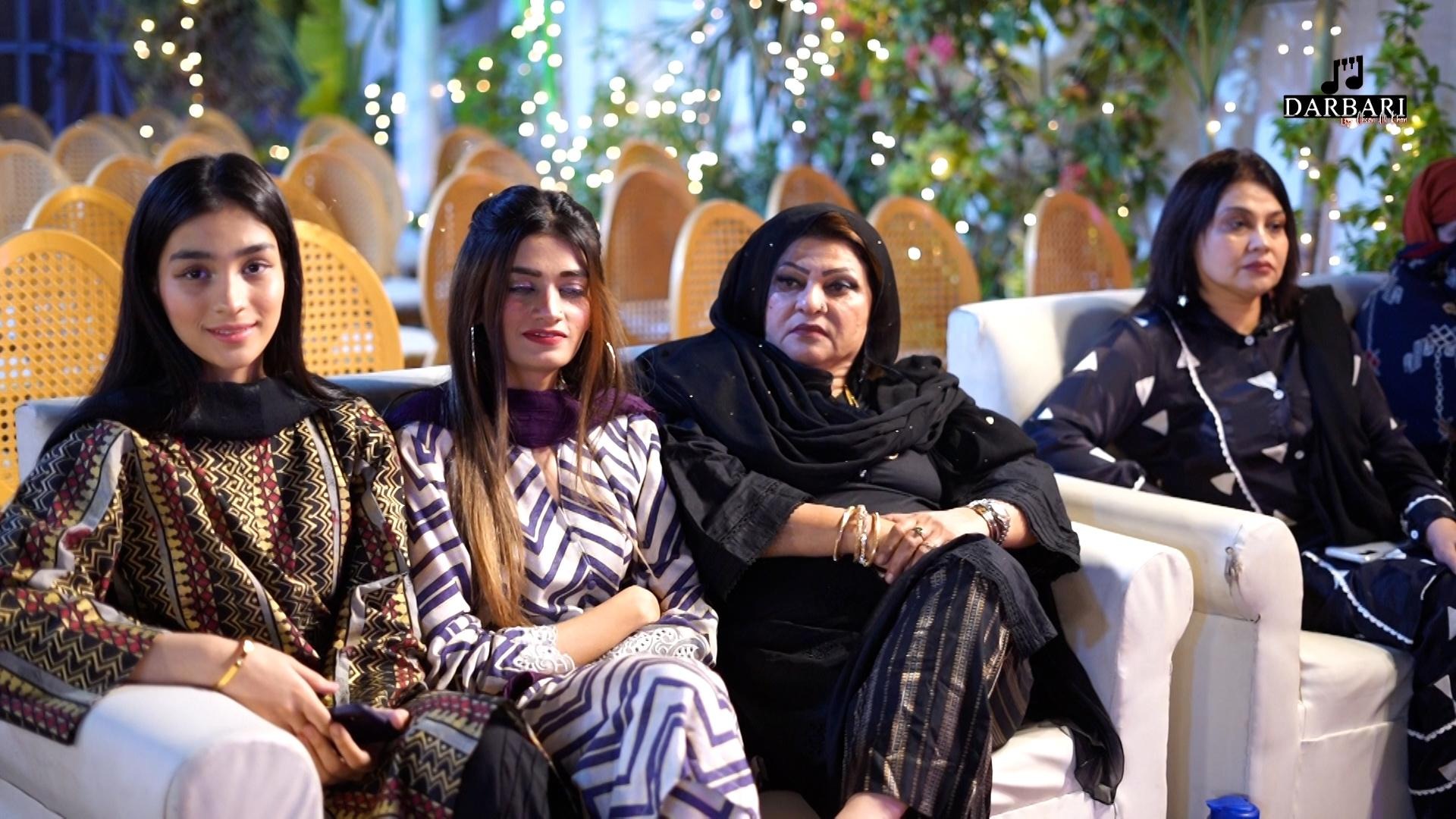
Floor seating has always been a quiet equaliser in the qawwali tradition. Nobody sits above anybody else when the music is at its height. Around the edges, other guests settled into white sofas and cane chairs, including elders who followed the performance with calm attention and younger attendees who had come with friends and family. The evening was not designed to separate the important from the ordinary. It was designed to remove the distance between them.
One of the older guests, dressed in a beige waistcoat with a gold pocket square, spent much of the evening looking towards the stage with a thoughtful, faraway expression. Around him the fairy lights blurred into soft points of gold. It was the look of a man who was no longer attending an event, only listening.
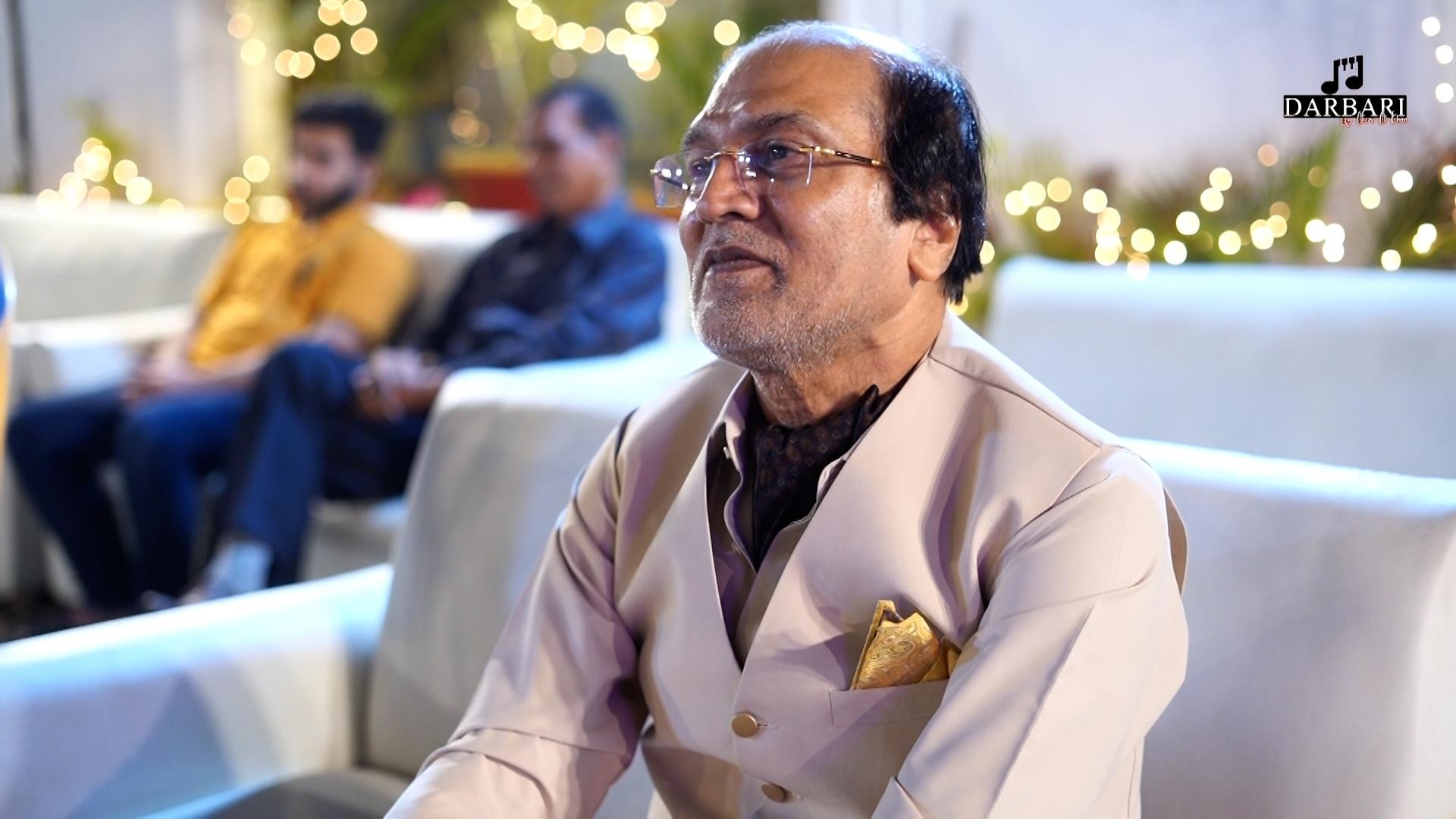
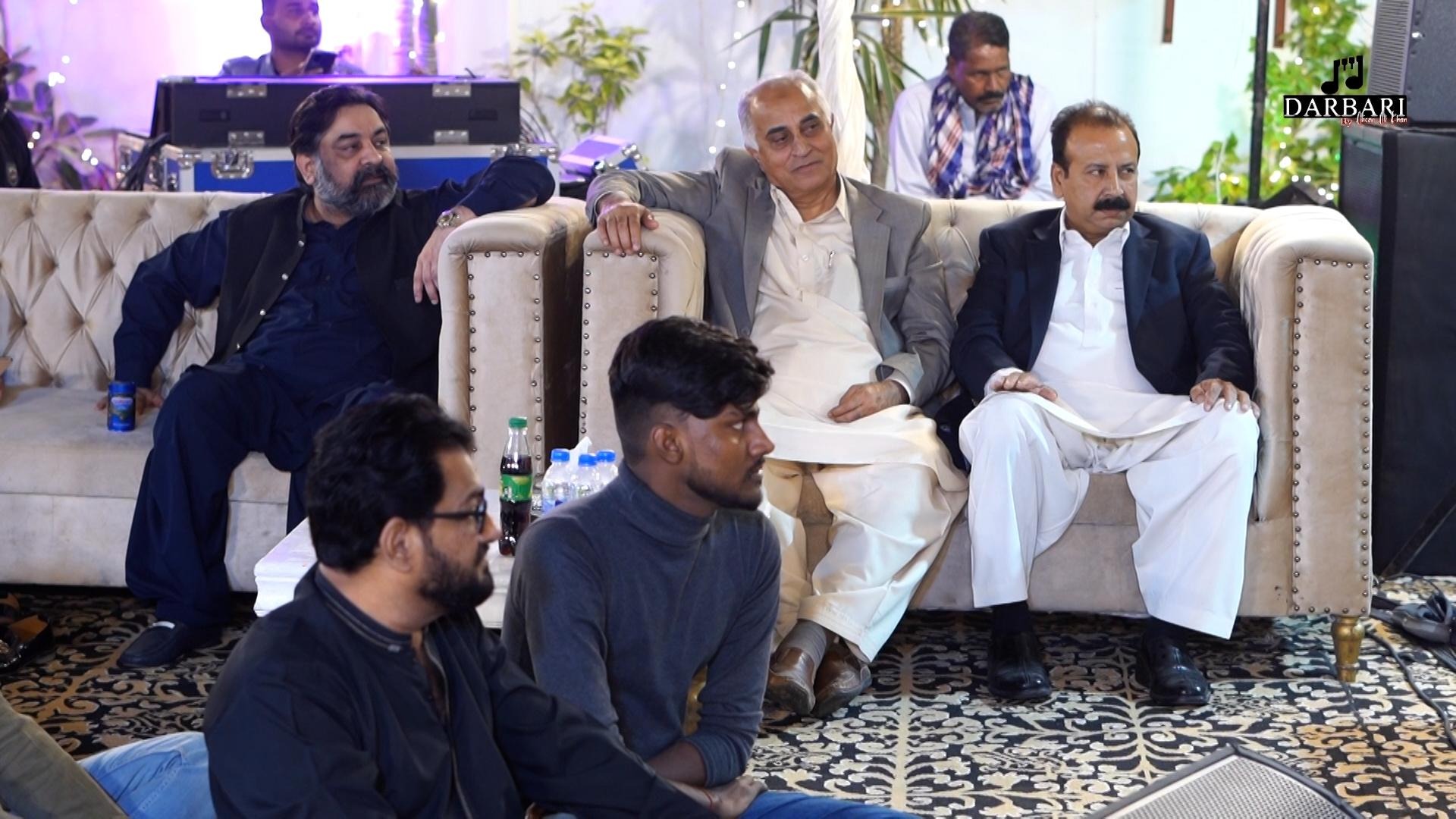
Chairman International Commission on Human Rights Aslam Ellahi listens intently as the qawwali builds, the festive lights glowing behind him.
Once the music had done its work of softening the atmosphere, ICOHR representatives introduced the organisation’s humanitarian vision. Rather than delivering a formal lecture, they framed the conversation around values that most people in the room already held, even if they did not always see them as a matter of human rights. Human dignity, the idea that every individual deserves respect and humane treatment. Equality, the belief that nobody should be excluded from opportunity or treated with less dignity because of their social or economic circumstances. Compassion, the recognition that a stronger society grows when people notice the difficulties of others and respond with empathy.
Peace and unity followed naturally from the setting itself, since a room of strangers clapping to the same rhythm is a small but real argument that social and cultural interaction can reduce divisions. And finally, social responsibility: the notion that people with influence, resources and public platforms can play a constructive part in supporting humanitarian work.
“Humanity comes before status, profession, wealth or social position.”
The key message of the evening, ICOHR
ICOHR’s reasoning is straightforward. Human rights awareness, the organisation argues, cannot remain confined to formal conferences and institutional reports. It has to reach communities through culture, communication, education and social interaction. A qawwali night is a softer and more engaging platform for exactly that purpose, and one that people are more likely to remember.
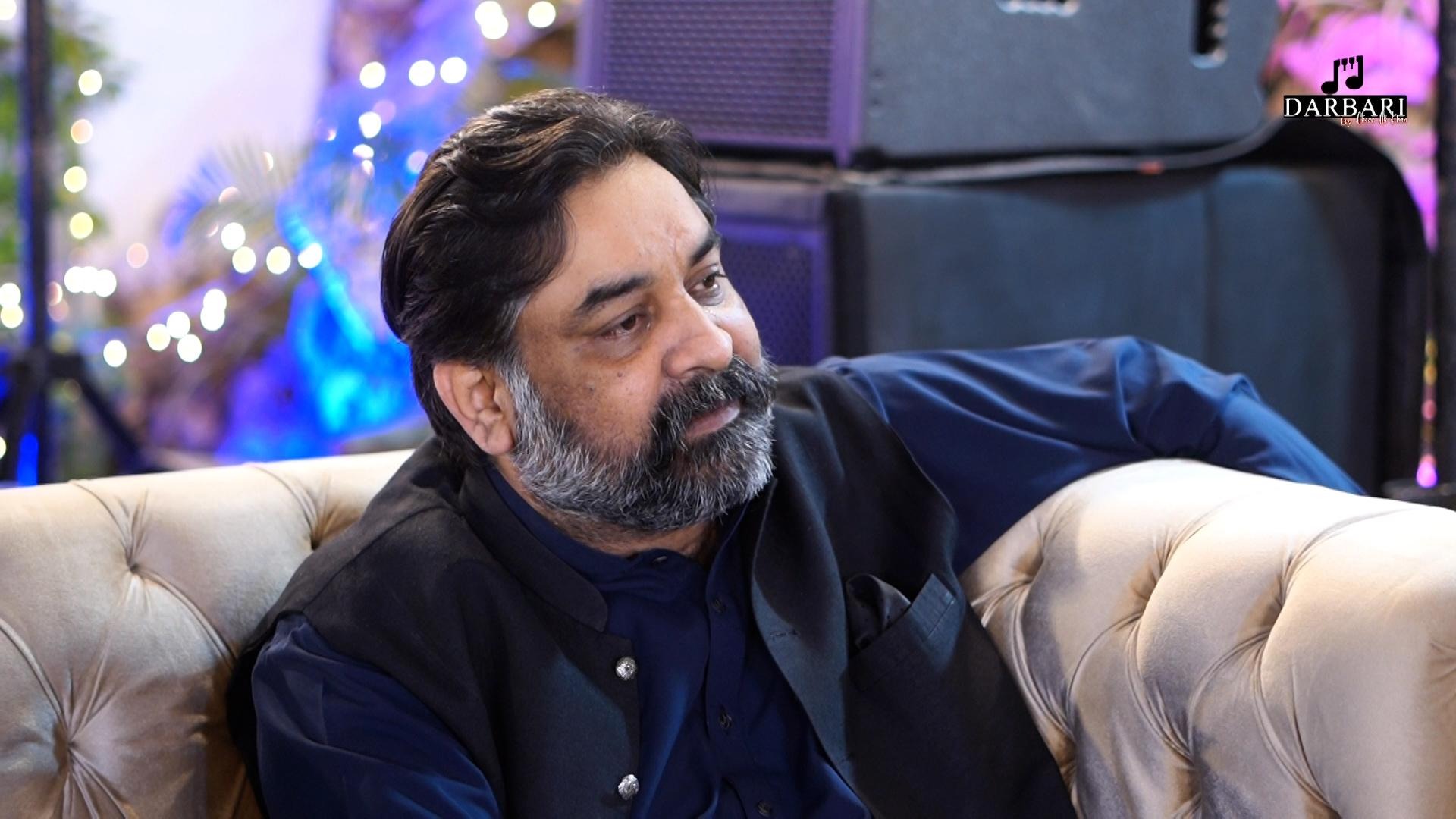
Pir Rashid Shah Rashdi listens with a reflective expression, one of many quiet moments that showed how deeply the evening resonated.
A significant part of the invitation list was chosen with a specific aim in mind: to build a network that extends beyond the traditional circle of NGO supporters. Businesses hold resources, expertise, technology and logistics. Influencers and public personalities hold something equally valuable, the ability to bring a social issue to a large audience in a language people understand.
ICOHR spoke openly about the kinds of contribution it hopes to encourage. These include supporting humanitarian campaigns, sponsoring community projects, providing professional services or resources, promoting human rights awareness, connecting the organisation with donors and institutions, supporting emergency relief and crisis response, using digital platforms to amplify humanitarian messages, and encouraging young people to volunteer.
Importantly, the organisers were careful about how they framed the request. The objective, they said, is not simply to seek financial support. It is to build a long term ecosystem of cooperation, one in which a businessman can support a community project, an artist can inspire compassion, an influencer can spread awareness, a philanthropist can provide resources and a volunteer can serve those in need. Every individual, in ICOHR’s words, has a role to play.
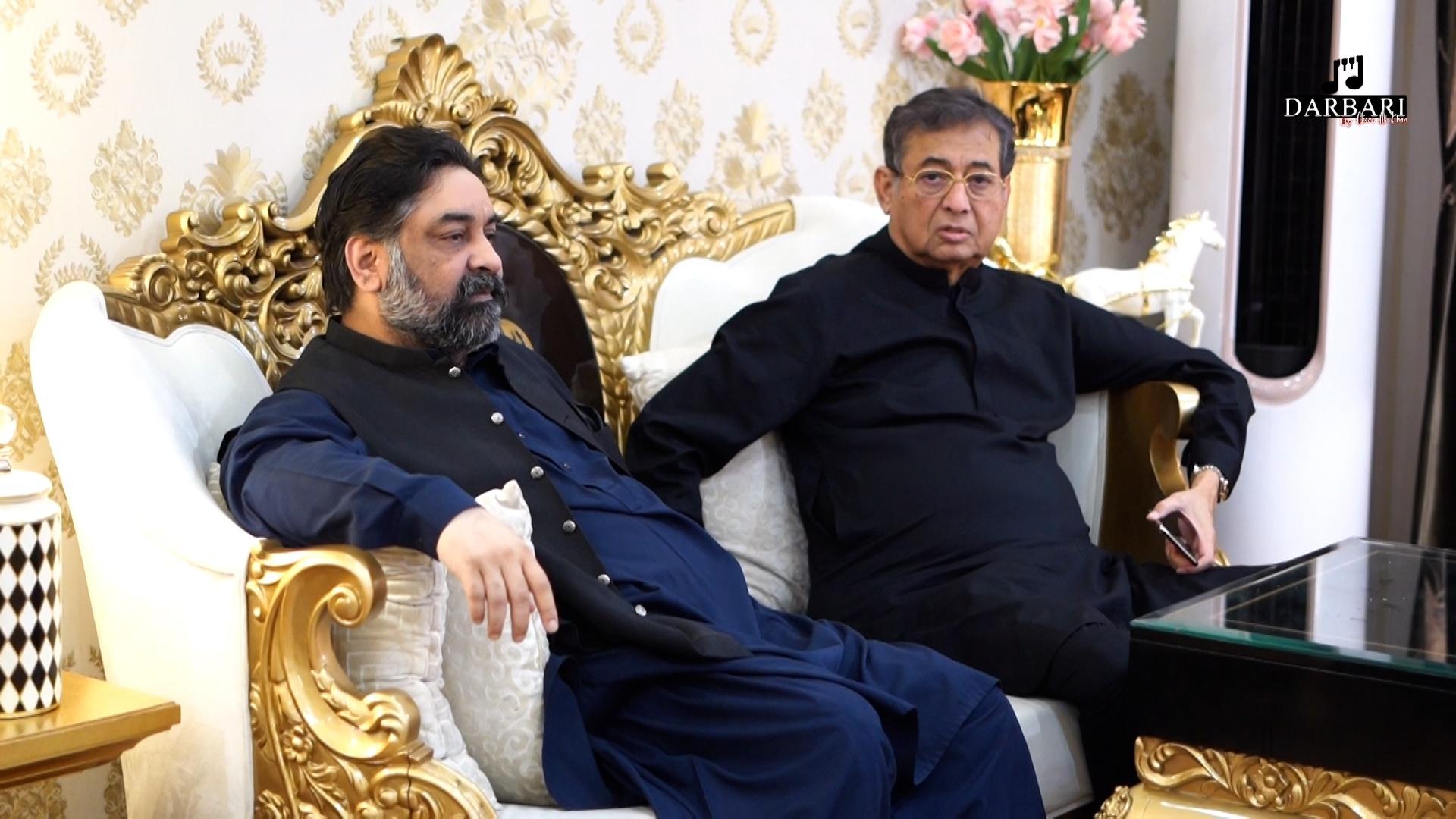
Guests settle into ornate seating as the gathering turns from music to conversation.
By the time the music reached its peaks, the response inside the venue was easy to read. Applause rose and fell with the rhythm. Faces across the room, captured in the event footage, were attentive, moved and often smiling. Guests from very different backgrounds stayed with the performance and with each other, which is the best early sign an initiative like this can hope for.
ICOHR used the occasion to recognise the presence and support of distinguished guests, artists, community members and contributors who share its commitment to positive social engagement. The organisation now hopes that the goodwill generated in the room will travel outward, through the guests’ own networks and platforms, and draw the attention of the wider media, civil society and human rights community.
Claims of endorsement carry weight only when readers can verify them, and a feature of this kind is strongest when its sources can be named. Once ICOHR adds the genuine responses it has received, this section can become the most persuasive part of the article.
ICOHR is careful to describe the Qawwali Night as a beginning rather than a single event. The outcomes it hopes to see are practical: a stronger humanitarian network built on relationships formed that evening, greater public awareness of human rights through accessible cultural platforms, partnerships in healthcare, education, relief, youth programmes and community development, and a wider pool of volunteers and ambassadors drawn from among social personalities and younger participants.
There is also a cultural dimension. The project shows how Pakistani heritage can be used as a genuine form of cultural diplomacy, bringing diverse people together around shared values and presenting a positive, human centred image of the country’s artistic life.
The organisation has already sketched what that continuing platform might look like. Future editions could include Art for Humanity, Business for Humanity, Youth for Humanity and Voices for Human Rights, each one pairing a different creative or professional community with the same underlying question: what can we do for people who need us?
As the final notes of a qawwali fade, there is often a pause before the applause begins, a second or two in which the room simply holds what it has just heard. Those seconds are perhaps the best way to understand what ICOHR was attempting. Music can create that pause. It cannot, by itself, decide what to do with it.
That is the work that follows: the calls, the partnerships, the volunteers, the campaigns, the patient effort of turning goodwill into help for people facing poverty, displacement, discrimination and emergency. Whether Qawwali for Humanity ultimately succeeds will be measured not by the beauty of the evening, which was considerable, but by what the people in that room choose to do next.
“Culture can bring people together. Humanity can give that connection a purpose.”
The closing message of the project, ICOHR
International Commission on Human Rights (ICOHR)
For Human Dignity, Equality, Peace, and Justice

© 2026 International Commission On Human Rights. All rights reserved.
 DONATE